


 Contact Us
 Appliances
 Agri Inputs
 Auto Components & Accessories
 Beauty & Personal Care
 Electronics
 Fashion
 Grocery
 Gift Cards
 Home & kitchen
 Health & Wellness
 Vehicles & Automotives
 Books & Stationary
 Pet Care
 Toys & Games
There are objects in an Indian home that have never needed to be redesigned because they were right the first time. The bamboo basket is one of them. It has been used in Maharashtra and across the subcontinent for storing grain, sorting vegetables...
Read MorePopular Categories
Support
Language
Our apps
There are objects in an Indian home that have never needed to be redesigned because they were right the first time. The bamboo basket is one of them. It has been used in Maharashtra and across the subcontinent for storing grain, sorting vegetables, carrying produce from the field, serving food at gatherings, and holding the offerings laid out for a pooja — the same object, across all of these uses, because its form suits all of them. Wide, flat, breathable, strong, and light enough to carry with one hand even when full.
The Bamboo Basket by Tuljabhavani Bamboo Merchant is a large, handwoven version of this traditional form. Made from split bamboo and thin bamboo fibres, woven by hand into a tight, even surface, it is a kitchen and household basket built for regular, practical use — not a decorative piece, but a working object with the kind of craft quality that makes it pleasing to look at as well as useful to own.
Material and Construction
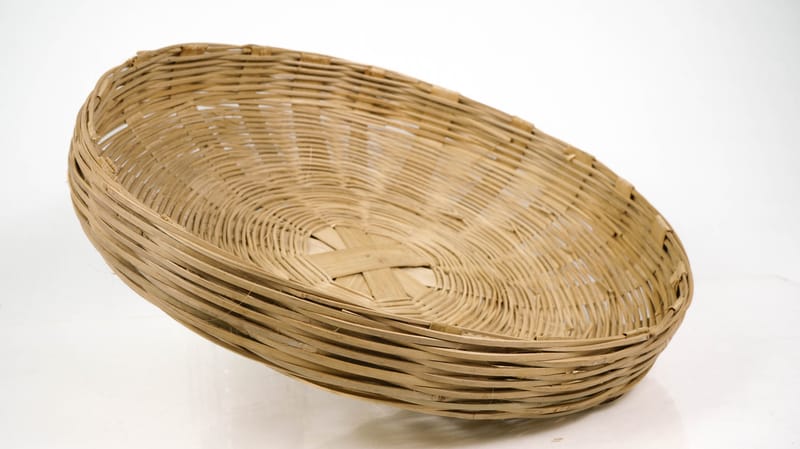
The basket is made from two components of the bamboo plant used together: split bamboo sticks, which form the structural ribs and rim of the basket, and thin bamboo fibres, which are woven horizontally between and over the ribs to create the basket surface. This combination — structural ribs and woven fill — is how traditional bamboo baskets achieve both their rigidity and their flexibility. The rim, made from a thicker bamboo strip bent and bound around the circumference, holds the circular shape firmly and prevents the edges from splaying outward over time.
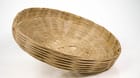
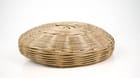
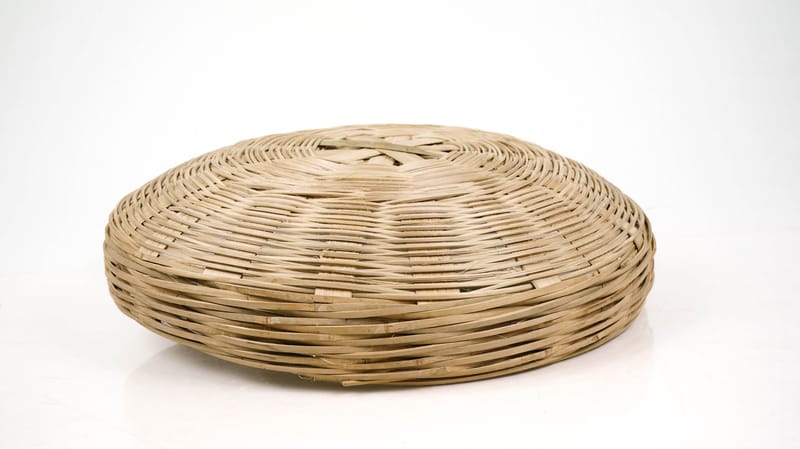
The weave visible in the image is a close, dense pattern — the fibres packed tightly enough that small items will not fall through, while still allowing air to circulate through the basket, which is important for storing fruit, vegetables, or grain that benefit from ventilation rather than being sealed in a container. The colour is the natural warm tan of dried bamboo, with slight variations in tone across the surface that reflect the natural variation in the raw material — each basket looks slightly different from the next because each is woven from a different set of cut strips.
At one kilogram, the basket has real substance and sits firmly on a surface without shifting. This weight is the result of the material density, not added reinforcement, and it reflects the quality of the construction — a tightly woven basket with a properly bound rim and fully woven base does not feel hollow or fragile when lifted.
What It Holds and Where It Works
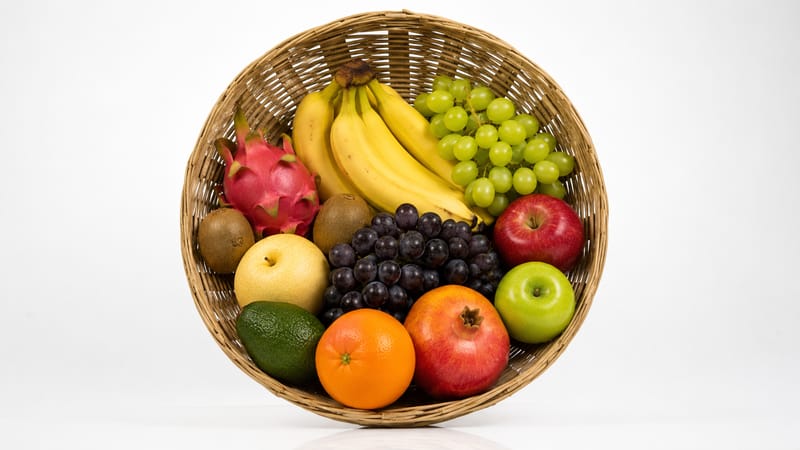
In the kitchen, this basket works for storing onions, garlic, potatoes, and seasonal vegetables that are used daily and benefit from open-air storage rather than being shut in a drawer or container. It works as a fruit basket on a table or counter — its size is generous enough to hold a full day's worth of fruit for a family without looking crowded. It can be used for rinsing grain or lentils by carrying the basket to the water source, though it should be dried fully afterward.
In the pooja room or during festivals, a basket of this size is the traditional vessel for holding flowers, coconuts, dry fruits, and ritual offerings before they are arranged for puja. During Ganesh Chaturthi, Navratri, and Diwali, when larger quantities of offerings are prepared, a substantial basket serves both as a preparation vessel and a display surface.
It also works in the living room as a storage basket for rolled textiles, craft supplies, or children's toys — its natural material sits well in most interior settings without demanding attention or clashing with existing décor.
Why Bamboo Over Alternatives
Plastic storage baskets do not breathe, often carry a faint chemical odour, and become brittle with exposure to sunlight over time. Metal baskets rust or corrode at the joints. A well-made bamboo basket, kept dry and away from sustained moisture, lasts for years of daily use. The material does not react with food, absorbs no odours, and requires no treatment or chemical cleaning to maintain. When it eventually reaches the end of its useful life, it composts naturally.
Specifications
Material: Split bamboo sticks and thin bamboo fibres, hand-woven
Rim: Thick bamboo strip, bent and bound
Base: Fully woven, flat
Shape: Round, wide and shallow with gently raised rim
Colour: Natural bamboo tan with tonal variation
Weave: Dense, close-woven surface
Size: 14" to 16"
Net Weight: 750 g
Care
Wipe clean with a dry or barely damp cloth after use. If the basket gets wet — from rinsing produce or exposure to rain — allow it to dry completely in a well-ventilated area before storing or loading again. Do not leave the basket sitting in water or store in a damp area, as sustained moisture can cause the bamboo fibres to soften, swell, or develop mould over time. Keep away from direct heat sources such as stove tops or gas flames. Occasional light oiling with coconut oil on the rim and outer surface extends the life of the bamboo and prevents cracking in very dry conditions.
About the Entrepreneur
Bharati has been in the business of making various items from bamboo for the past 25 years. This is her traditional family business. By connecting this business with Mann Deshi, her products got proper packaging which has further increased her customer base.
| Country of origin | India |
|---|---|
| colour | #483131 |
| brand | Pimpari |
| material | bamboo |
| colour name | #483131 |
| cancellable | yes |
| time to ship | 2 days |
| seller pickup return | yes |
| return window | 2 days |
| contact details consumer care | Vanita Shinde,[email protected],9607589078 |
| manufacturer or packer name | Tuljabhavani Bamboo Marchant |
| manufacturer or packer address | Manndeshi Foundation, Dhayri Jay Complex, Sr no10/1,2/2/2,Nr Kailsh Jeevan Factory, Benkar vasti rd,Dhayri 411041,Block-Dhayri District-pune,Maharashtra |
| common or generic name of commodity | Bamboo Basket |
| month year of manufacture packing import | 46143 |
| imported product country of origin | IN |
Other Products from seller Mann Deshi Udyojika Private Limited





Check Estimated Delivery Date

Sold By: Mann Deshi Udyojika Private Limited
Vendor Source:Mann Deshi Udyojika Private Limited