MystoreMystore® is a full-stack, AI-powered open network marketplace built in India for sellers and brands of every size. One integrated, omnichannel platform to build, operate, and market on Web, App, WhatsApp, AI Bots and beyond.
For buyers, the Mystore Buyer App opens up seamless shopping across categories from a growing community of trusted Indian sellers."https://www.mystore.in/s/62ea2c599d1398fa16dbae0a/66defda954ce55002beebf8c/mystore-logo-480x480.png
9th Floor, Tower A, Spaze iTech Park, Sector 49122018Gurgaon DivisionIN
Mystorehttps://www.mystore.in
9th Floor, Tower A, Spaze iTech Park, Sector 49Gurgaon Division, IN
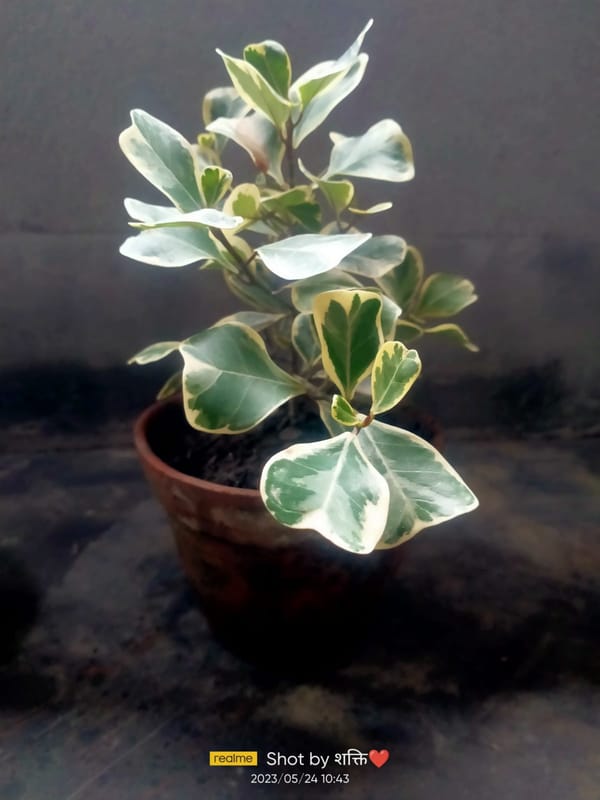
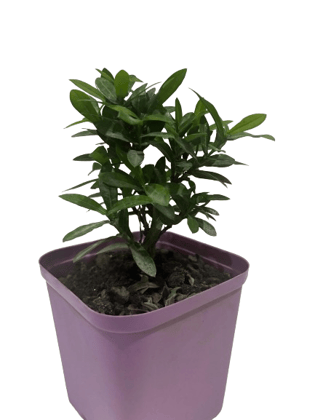
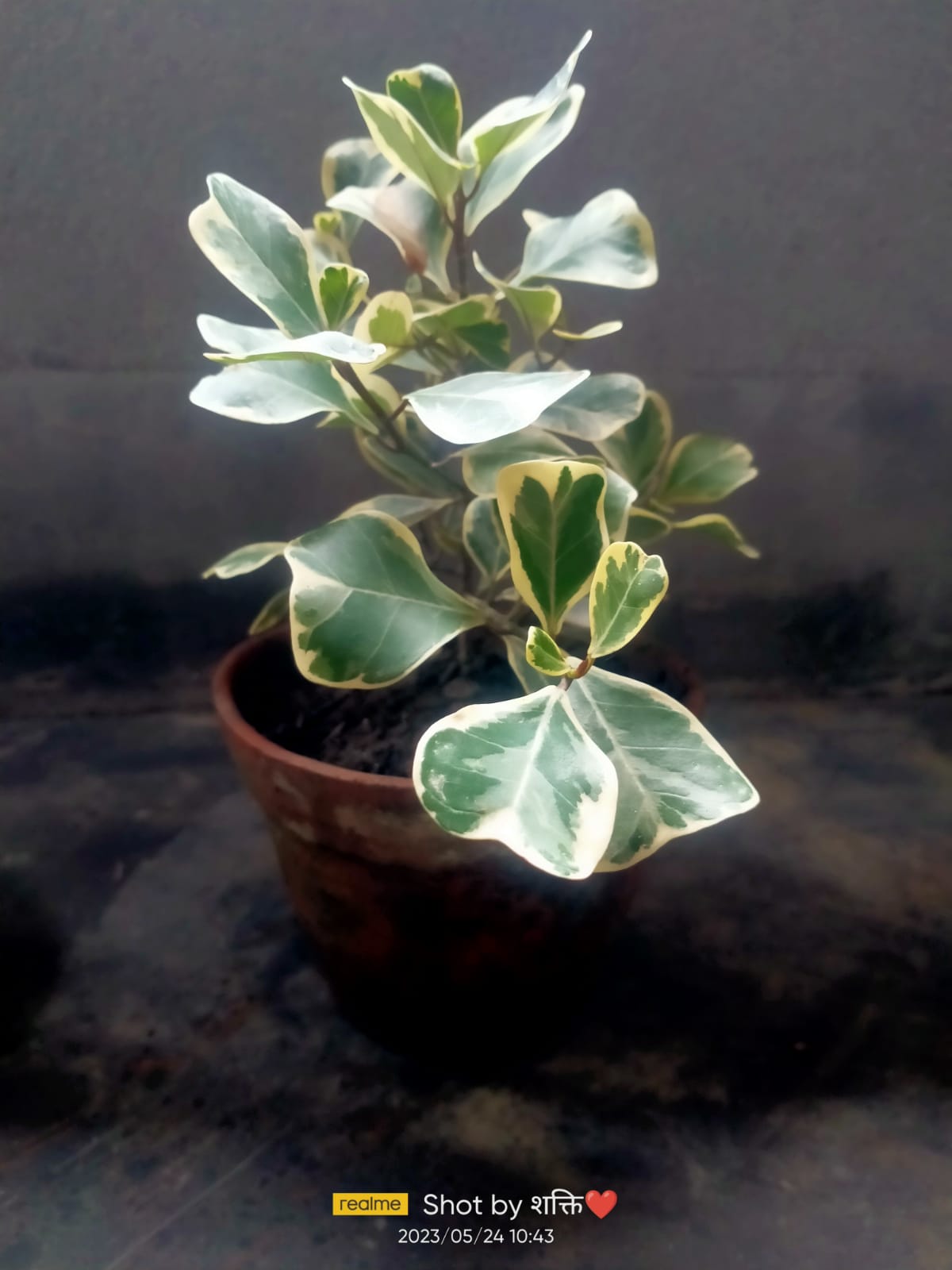
Light: Baby rubber plants thrive in medium to bright light to maintain their vibrant foliage colours. Direct sunlight should be avoided as it can burn the leaves.
Soil: Baby rubber plants are epiphytes, meaning they grow in the nooks of trees with roots in slightly decaying bark. To mimic these conditions, use a loose and acidic soil blend, such as an orchid potting mix or regular potting soil with added peat moss or vermiculite.
Water: With succulent leaves, Peperomia plants don’t require frequent watering. Allow the soil to dry out between waterings and avoid over-saturating the soil, which can lead to root rot.
Temperature and humidity: Baby rubber plants can’t handle freezing temperatures. As tropical plants, they prefer a warm and humid environment, especially in the summer months. To increase humidity, place the plant on a tray of pebbles and water or invest in a small humidifier.
Fertiliser: Baby rubber plants grow slowly and can go their entire lives without supplemental fertiliser, getting what they need from the potting soil. If you do choose to fertilise, less is more.
Light: Baby rubber plants thrive in medium to bright light to maintain their vibrant foliage colours. Direct sunlight should be avoided as it can burn the leaves.
Soil: Baby rubber plants are epiphytes, meaning they grow in the nooks of trees with roots in slightly decaying bark. To mimic these conditions, use a loose and acidic soil blend, such as an orchid potting mix or regular potting soil with added peat moss or vermiculite.
Water: With succulent leaves, Peperomia plants don’t require frequent watering. Allow the soil to dry out between waterings and avoid over-saturating the soil, which can lead to root rot.
Temperature and humidity: Baby rubber plants can’t handle freezing temperatures. As tropical plants, they prefer a warm and humid environment, especially in the summer months. To increase humidity, place the plant on a tray of pebbles and water or invest in a small humidifier.
Fertiliser: Baby rubber plants grow slowly and can go their entire lives without supplemental fertiliser, getting what they need from the potting soil. If you do choose to fertilise, less is more.



 Contact Us
 Appliances
 Agri Inputs
 Auto Components & Accessories
 Beauty & Personal Care
 Electronics
 Fashion
 Grocery
 Gift Cards
 Home & kitchen
 Health & Wellness
 Vehicles & Automotives
 Books & Stationary
 Pet Care
 Toys & Games