


 Contact Us
 Appliances
 Agri Inputs
 Auto Components & Accessories
 Beauty & Personal Care
 Electronics
 Fashion
 Grocery
 Gift Cards
 Home & kitchen
 Health & Wellness
 Vehicles & Automotives
 Books & Stationary
 Pet Care
 Toys & Games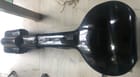
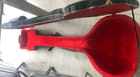
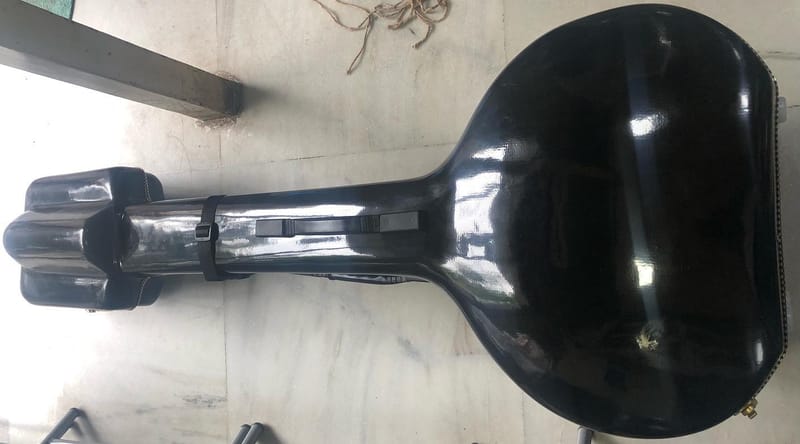
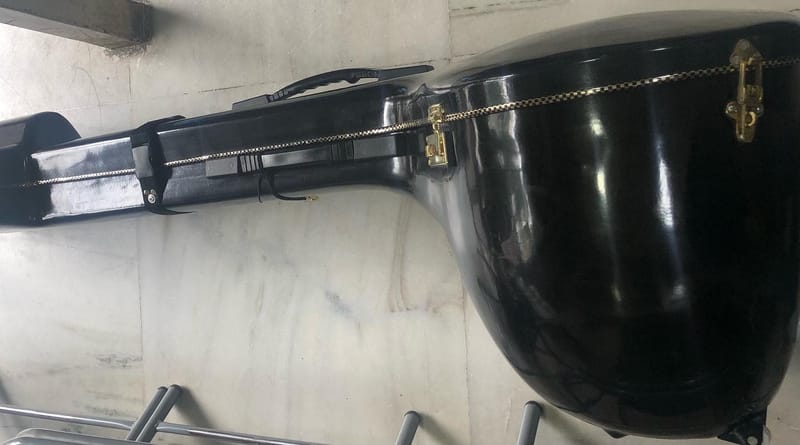
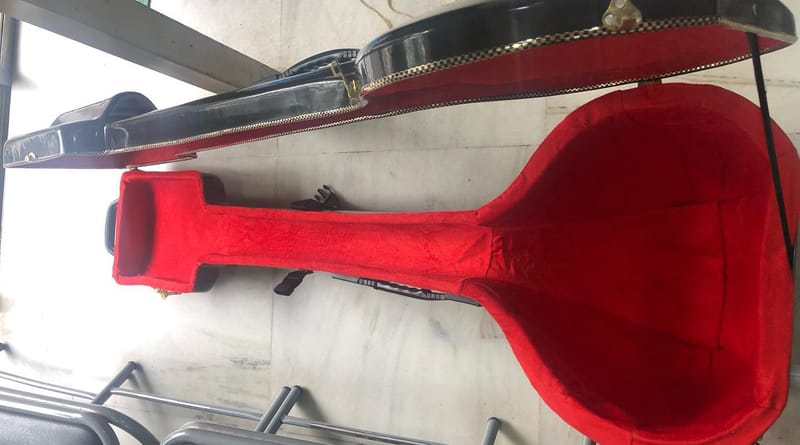
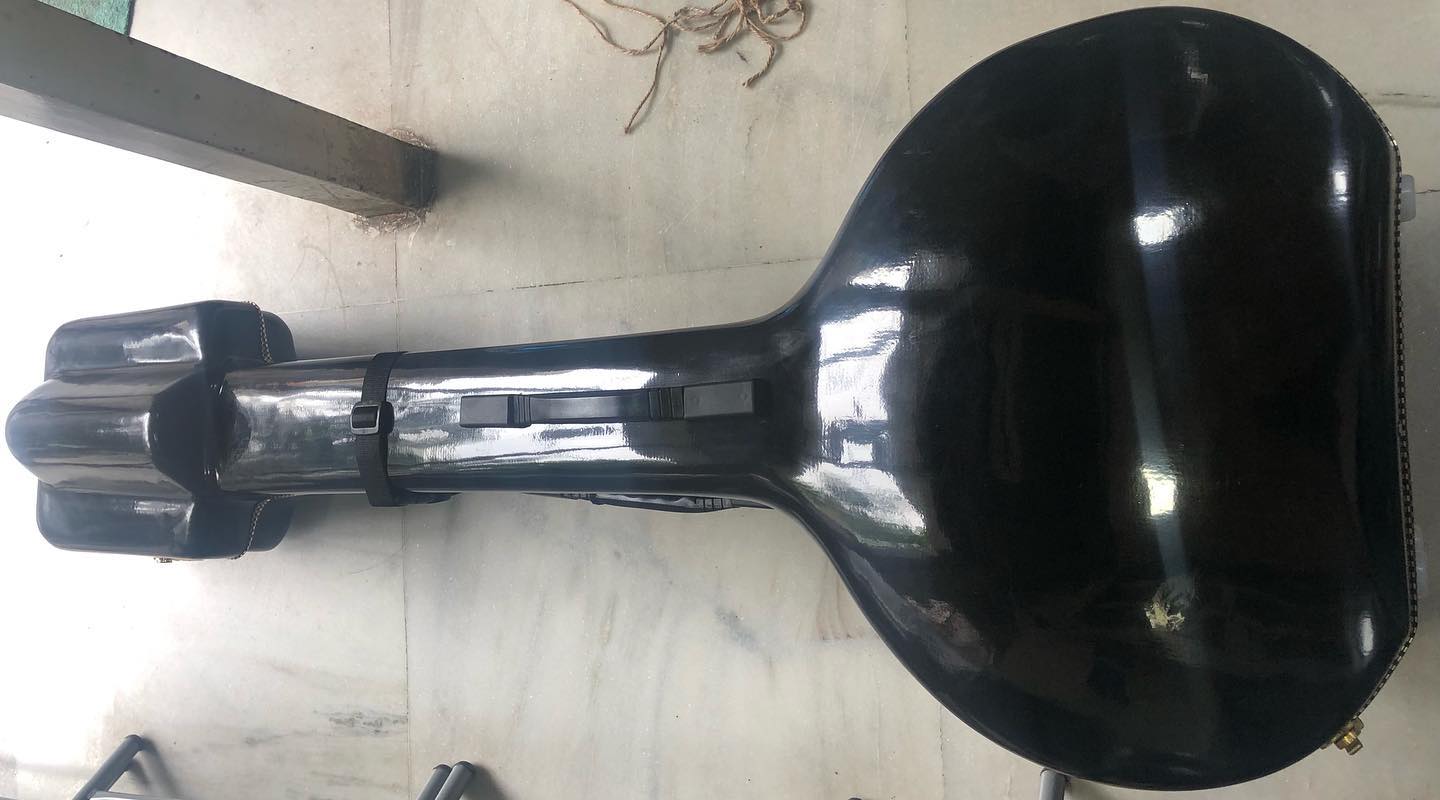
Tanpura Case
Special Features:
Professional Quality & Easy to Carry.
Delivery Time: 12-15 Working Days after Successful Pa...
Read MoreTanpura Case
Special Features:
Professional Quality & Easy to Carry.
Delivery Time: 12-15 Working Days after Successful Pa...
Read More| Country of origin | India |
|---|---|
| Brand | Calutta Musical |
| Net Quantity | 1 piece |
| Manufacturer or packer name | Calcutta Musical Depot |
Tanpura Case
Special Features:
Professional Quality & Easy to Carry.
Delivery Time: 12-15 Working Days after Successful Payment.
For More information SMS 6100 Name Email Country and Send to +919830066661
N.B: All prices are inclusive of Shipping (International Air Mode)/ Packing/ Tax/ Insurance. No hidden cost. Read our Terms & Conditions, Privacy Policy and Shipping Policy.
In The Box: Tanpura Case
From where we get Tanpura- Small history below:
Our knowledge about the instrument is from Wikipedia. As per Wikipedia, we shared this small history to let our customers know about the Tanpura history. Tanpuras serve as the foundation of the ensemble and the music itself; consequently, they generate an acoustic dynamic reference chord that gives ragas (melodic modes) their unique character, color, and flavor. Furthermore, Stephen Slawek points out that by the end of the 16th century, the tanpura had fully developed into its modern form, as evidenced by its appearance in the miniature paintings of the Mughals. Additionally, he also suggests that, in fact, the sitar and tanpura share a related history due to their structural similarities.
In contemporary Indian classical music performances, musicians sometimes use an electronic tanpura, a small box that mimics the sound of a traditional tanpura; however, this practice remains controversial. Furthermore, the sitar maker family from Miraj is celebrated as the finest producers of tanpuras in the world. In fact, this family has been crafting tanpuras for over seven generations, with a legacy that dates back to 1850.
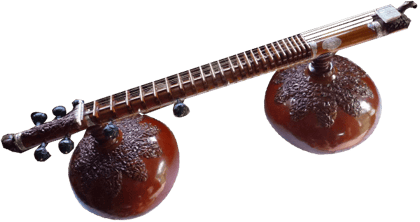
The body shape of the tanpura resembles that of the sitar; however, it lacks frets, as musicians always pluck the strings at their full lengths. Furthermore, one or more tanpuras often accompany vocalists or instrumentalists. Additionally, the instrument typically features four or five metal strings, which players pluck in a regular pattern to create a harmonic resonance on the fundamental notes of a key. Consequently, this provides a basic history of the instrument.
| Country of origin | India |
|---|---|
| Material | wood |
| Brand | Calutta Musical |
| Common name | Case |
| Net Quantity | 1 piece |
| Package Dimension | 150L x 50W x 45H cm |
| Manufacturer or packer name | Calcutta Musical Depot |
| Manufacturer or packer address | 28C, Shyama Prasad Mukherjee Road, Kolkata-700025, WB, India |
| Manufacturing Date | 2025 |
| contact details consumer care | Calutta Musical Depot, [email protected] |