


 Contact Us
 Appliances
 Agri Inputs
 Auto Components & Accessories
 Beauty & Personal Care
 Electronics
 Fashion
 Grocery
 Gift Cards
 Home & kitchen
 Health & Wellness
 Vehicles & Automotives
 Books & Stationary
 Pet Care
 Toys & Games
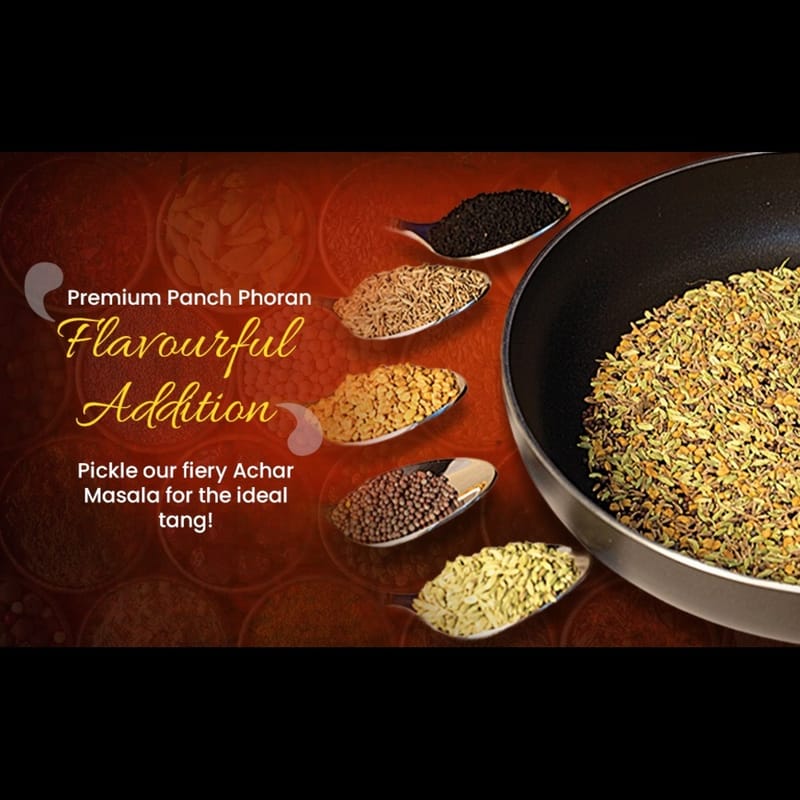
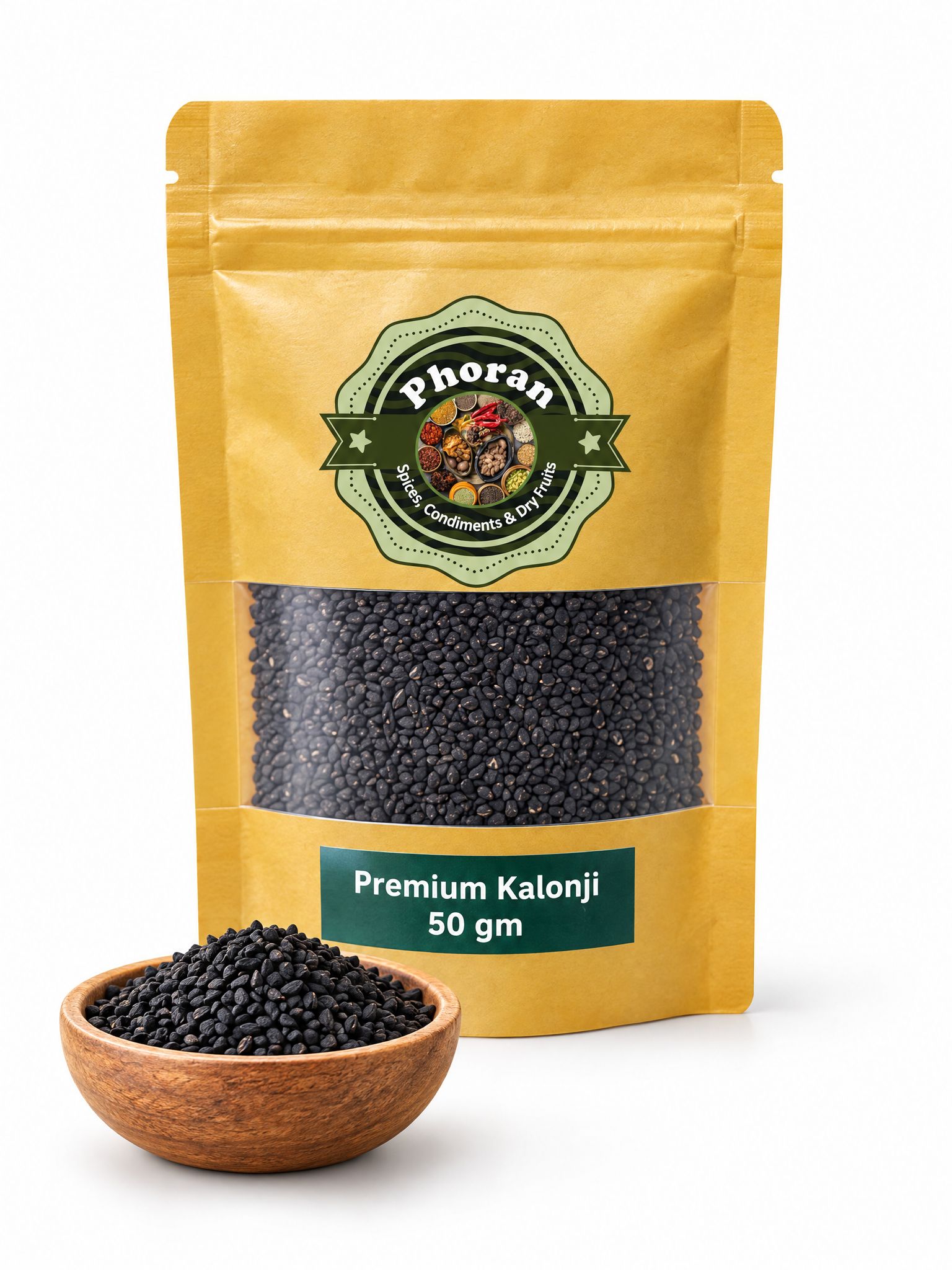
- Kalonji (Nigella Seeds) — Peppery, Smoky, Unmistakable
- Kalonji is one of those spices that is instantly recognisable once you know it — the small black seeds on naan bread, the peppery-smoky note in Bengali pickles, o...
Popular Categories
Support
Language
Our apps
Buy Phoran Premium Kalonji L Nigelia Seed L Phoran Kalonji L Bold Seed L Kala Jeera
Key Attributes
| Country of origin | India |
|---|---|
| Net Quantity | 50 gram |
| Manufacturer or packer name | PHORAN |
- Kalonji (Nigella Seeds) — Peppery, Smoky, Unmistakable
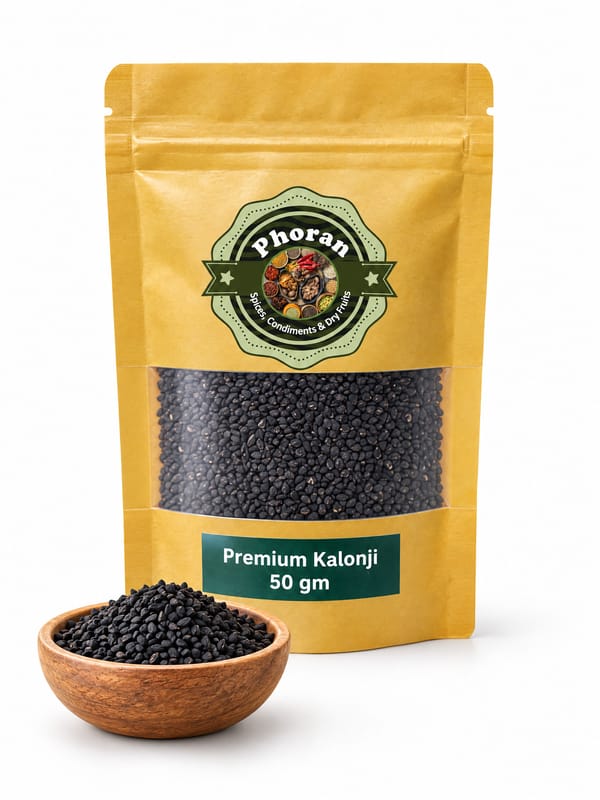
- Kalonji is one of those spices that is instantly recognisable once you know it — the small black seeds on naan bread, the peppery-smoky note in Bengali pickles, one of the five seeds in Panch Phoran. Despite being called ‘onion seeds’ or ‘black cumin’ in some regions, kalonji is neither — it is Nigella sativa, a completely distinct plant with its own unique flavour profile. Phoran's kalonji is clean, potent, and carefully sorted for consistent seed size.
- What Does Kalonji Taste Like?
- Raw kalonji has a sharp, slightly bitter, peppery flavour with a subtle oregano-like note. When cooked in oil or baked into bread, the bitterness softens and a warm, smoky, complex flavour emerges. It is distinctive enough to be recognisable in a dish but rarely overpowering when used in normal quantities.
- How to Use Kalonji
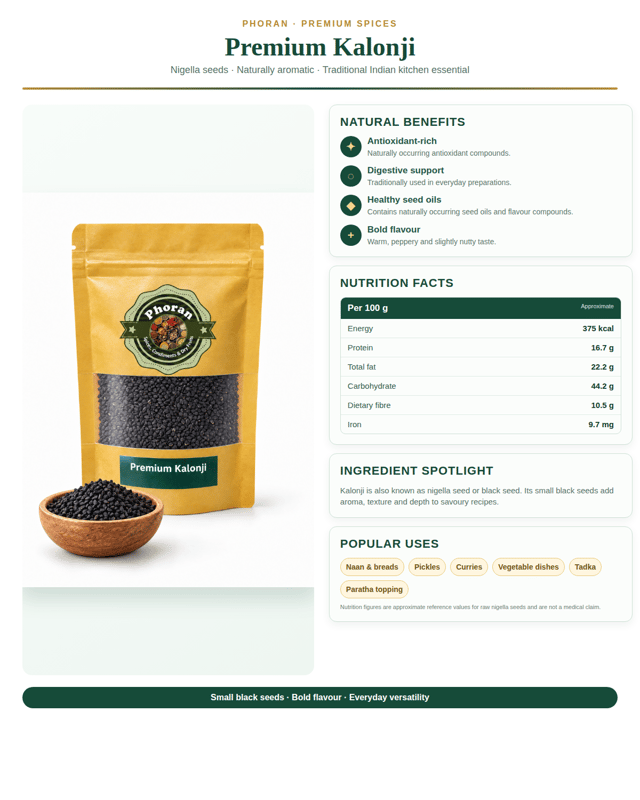
- Naan and flatbreads: Press seeds onto the surface before baking — the heat releases their aroma through the bread.
- Parathas: Knead ¼ tsp into dough for a subtle peppery note
- Pickling (achaar): Essential in Bengali and North Indian pickles — add to the mustard oil base
- Panch Phoran: One of the five seeds — equal parts with jeera, rai, methi, and saunf for Bengali tempering
- Dal tadka: Add a pinch to the ghee tempering for depth and visual appeal
- Vegetable sabzi: Sprinkle into the oil tempering for aloo or cauliflower dishes
- Regional Names for Kalonji
- Kalonji (Hindi) = Karum Jeerakam (Tamil) = Nalla Jilakara (Telugu) = Krishna Jeerige (Kannada) = Kala Til (Marathi) = Kalo Jeera (Bengali — though this term is also used for black cumin, creating confusion).
- Storage: Airtight container, away from heat and light. Whole seeds retain potency for 2 years. Origin: India (Rajasthan/Madhya Pradesh).
| Country of origin | India |
|---|---|
| Common name | Kalonji |
| Net Quantity | 50 gram |
| Expiry Date | 12 months |
| Weight | 50 g |
| Package Dimension | 10.5L x 7W x 11H cm |
| Manufacturer or packer name | PHORAN |
| Manufacturer or packer address | FLAT NO 301,SUN OM APARTMENT, SECTOR 1,Navi Mumbai |
| Manufacturing Date | 112026 |
| contact details consumer care | PHORAN, [email protected] |
Other Products from seller PHORAN
₹99₹179 ( 45% OFF )
₹110₹189 ( 42% OFF )
₹99₹179 ( 45% OFF )
₹124₹175 ( 29% OFF )
₹425₹549 ( 23% OFF )
₹84₹135 ( 38% OFF )
₹184₹219 ( 16% OFF )
₹79₹119 ( 34% OFF )
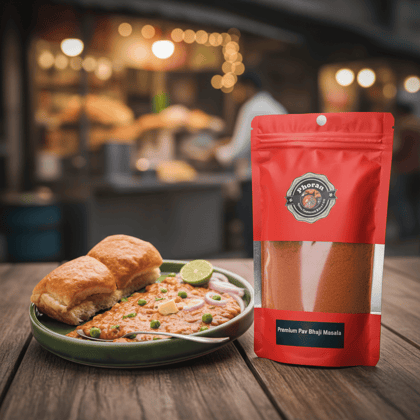
₹84₹119 ( 29% OFF )
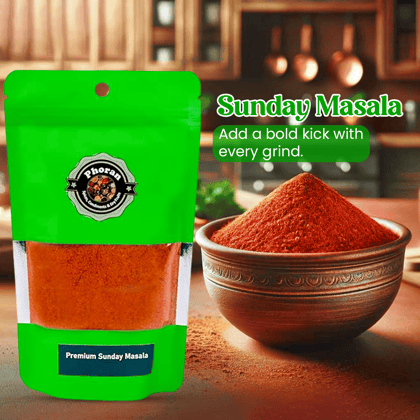
₹94₹125 ( 25% OFF )

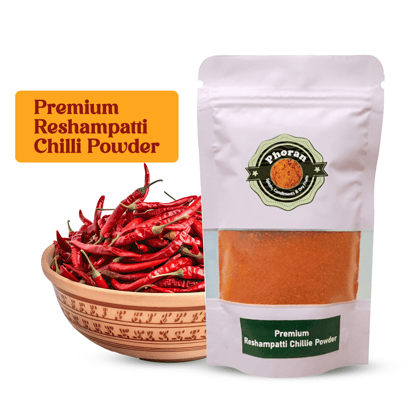
₹94₹125 ( 25% OFF )
Delivery by Friday, 27 Nov to Delhi
