


 Contact Us
 Appliances
 Agri Inputs
 Auto Components & Accessories
 Beauty & Personal Care
 Electronics
 Fashion
 Grocery
 Gift Cards
 Home & kitchen
 Health & Wellness
 Vehicles & Automotives
 Books & Stationary
 Pet Care
 Toys & Games

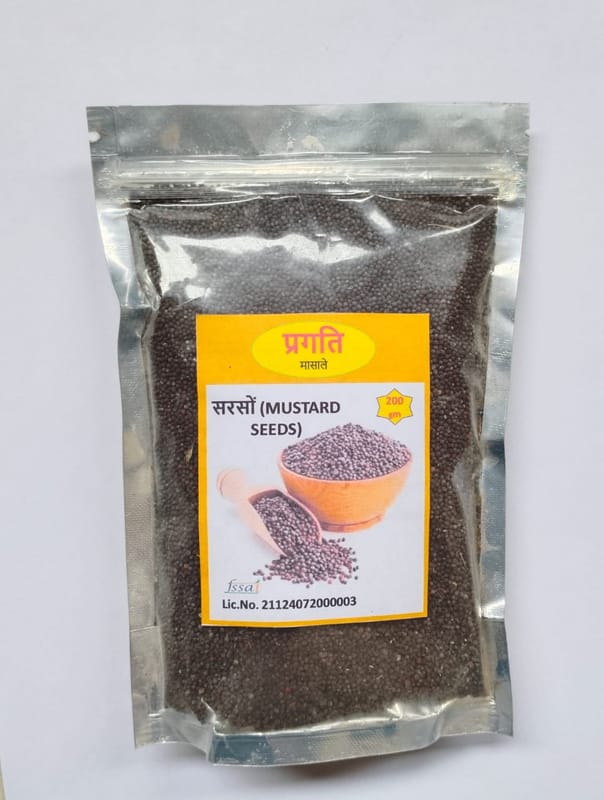

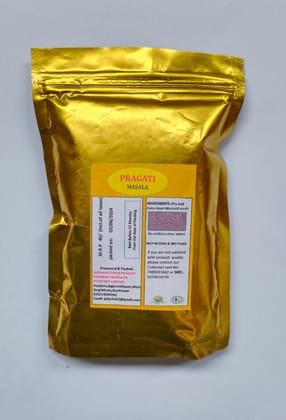
Black mustard seeds are small, round seeds derived from the mustard plant, scientifically known as Brassica nigra. They are a common spice used extensively in various cuisines around the world, particularly in Indian, Mediterranean, and Southea...
Read MorePopular Categories
Support
Language
Our apps
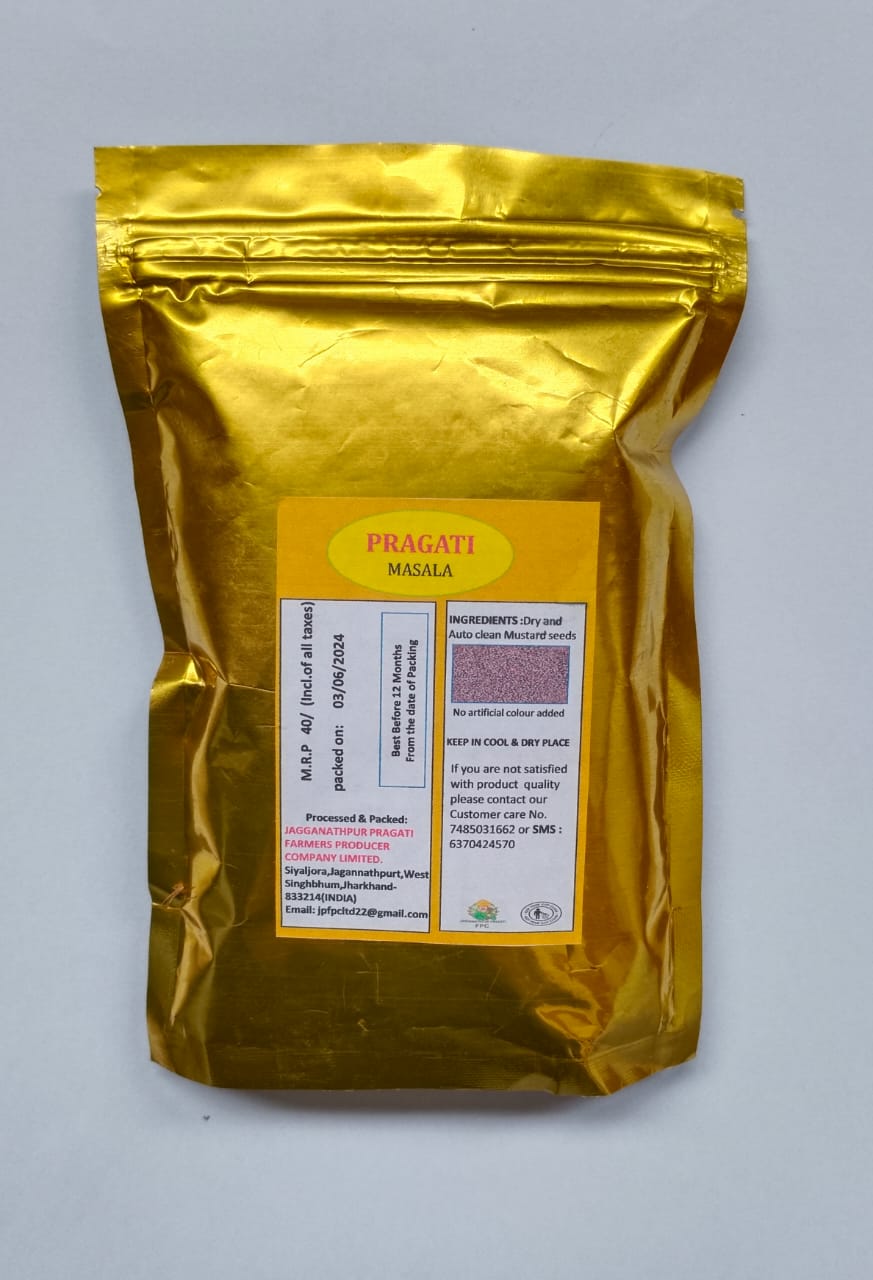
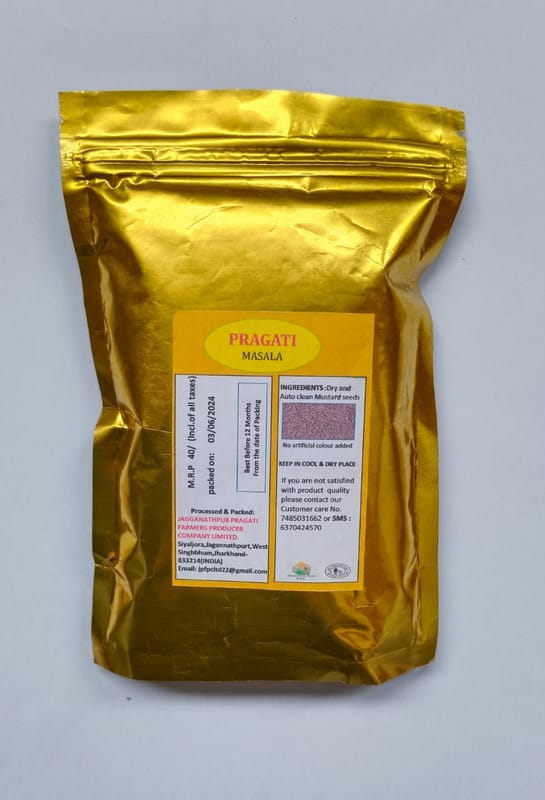
Black Mustrad Seed
Key Attributes
| Country of origin | India |
|---|---|
| Net Quantity | 200 gram |
| Manufacturer or packer name | JAGGANATHPUR PRAGATI FPC |
Black mustard seeds are small, round seeds derived from the mustard plant, scientifically known as Brassica nigra. They are a common spice used extensively in various cuisines around the world, particularly in Indian, Mediterranean, and Southeast Asian cooking.
Physical Characteristics:
Size and Color: Black mustard seeds are tiny, typically about 1-2 millimeters in diameter, and are dark brown to black in color.
Texture: They have a hard outer shell that gives them a crunchy texture when cooked or ground.
Flavor Profile:
Taste: These seeds have a sharp, pungent, and slightly bitter flavor. When heated in oil, they release a nutty and peppery aroma that adds depth to dishes.
Intensity: The spiciness of black mustard seeds can vary, but they generally provide a robust kick to dishes.
Culinary Uses:
Tempering: In Indian cuisine, black mustard seeds are often used in the tempering process, where they are fried in oil or ghee until they pop, releasing their flavor and aroma.
Spice Blends: They are a key ingredient in various spice blends and curry powders, contributing both flavor and texture. Pickling: Black mustard seeds are used in pickling recipes, where their sharp flavor helps in preserving and enhancing the taste of vegetables.
Health Benefits: Nutrients: Mustard seeds contain various nutrients including protein, fiber, vitamins (such as A, B complex, and C), and minerals (like calcium, magnesium, and iron).
Antioxidants: They contain phytonutrients like glucosinolates and various antioxidants that may have health-promoting benefits.
| Country of origin | India |
|---|---|
| Common name | Black mustard Seeds |
| Net Quantity | 200 gram |
| Manufacturer or packer name | JAGGANATHPUR PRAGATI FPC |
| Manufacturer or packer address | JAGGANATHPUR PRAGATI FPC, Jagganathpur, West Singhbhum,833214 |
| Manufacturing Date | 06/2024 |
| contact details consumer care | Jagganathpur Pragati Farmers Producer Company Limited, [email protected] |