


 Contact Us
 Appliances
 Agri Inputs
 Auto Components & Accessories
 Beauty & Personal Care
 Electronics
 Fashion
 Grocery
 Gift Cards
 Home & kitchen
 Health & Wellness
 Vehicles & Automotives
 Books & Stationary
 Pet Care
 Toys & Games
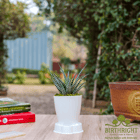

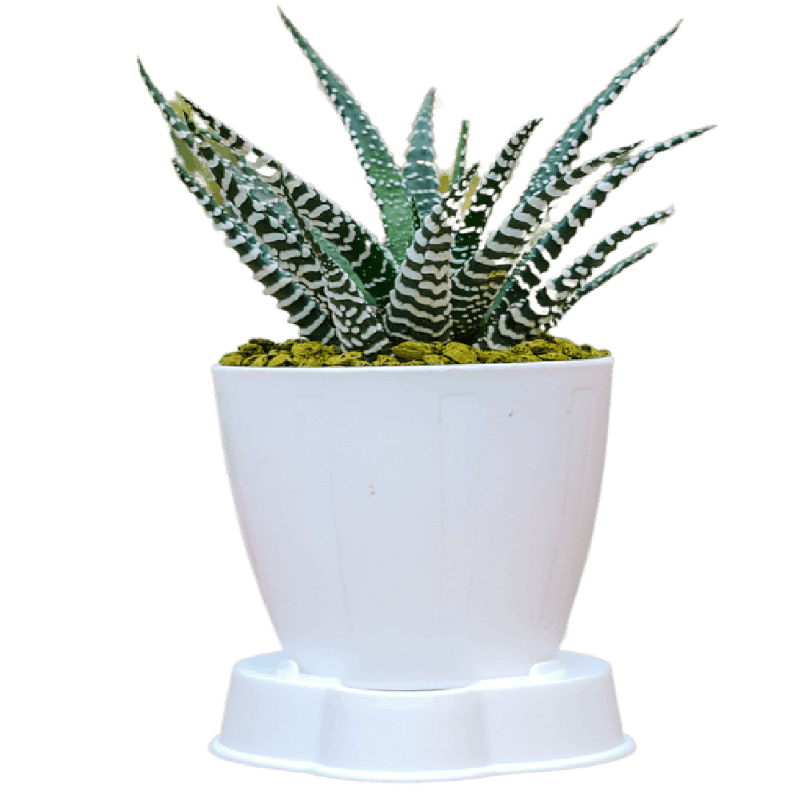
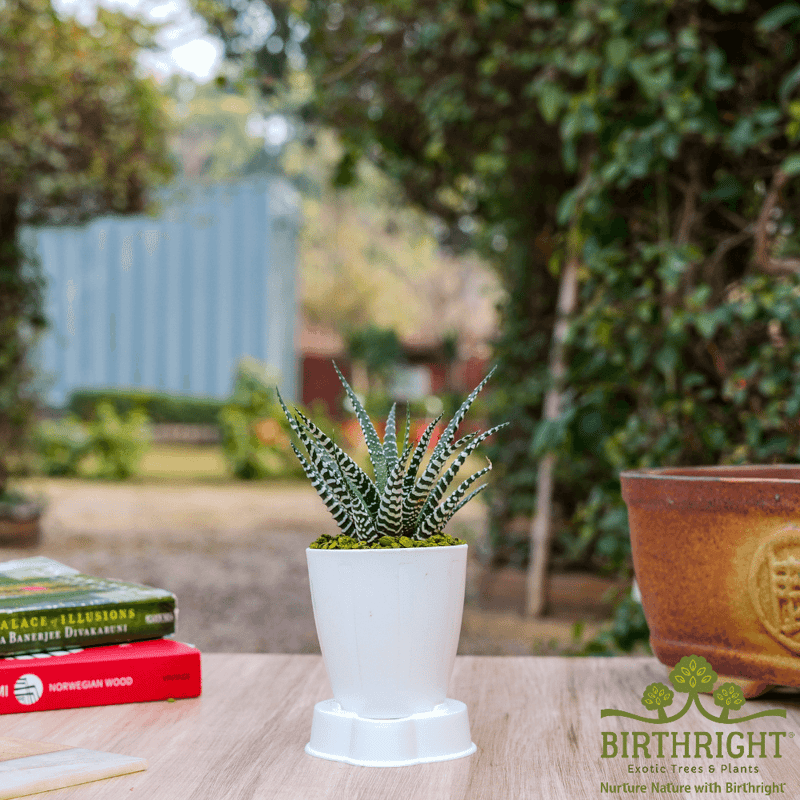
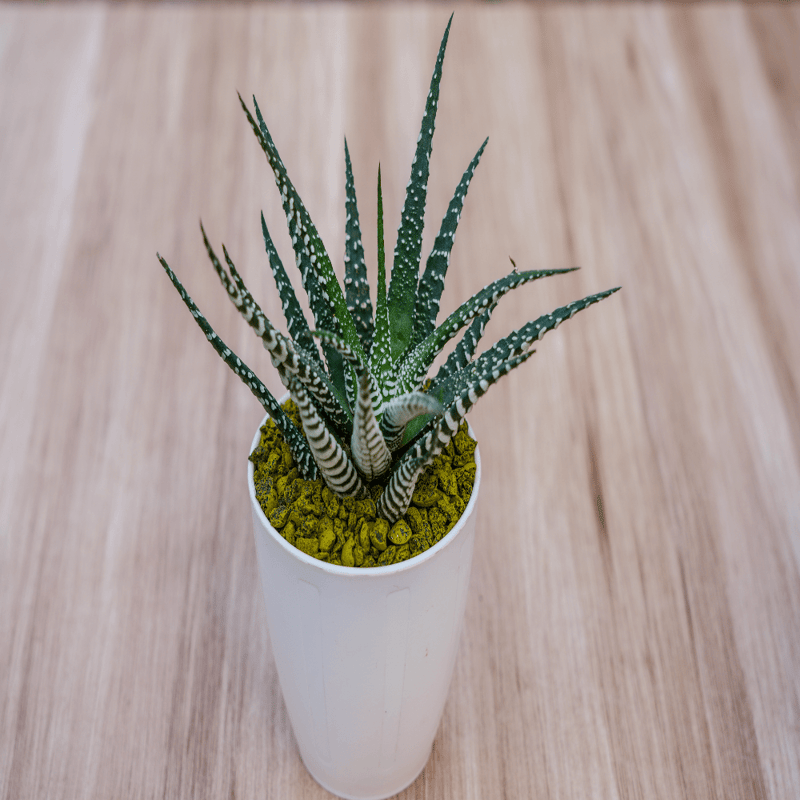
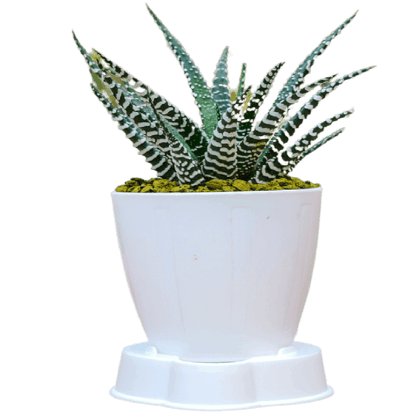
- Plant Height: 15-20 cm
- Pot Size: 8 cm (Top Dia)
- Description: Haworthia Fasciata Cape Town Succulent Plant, commonly called Zebra Plant or Zebra Haworthia. It features beautiful fresh green leaf drawing, is a strong...
Popular Categories
Support
Language
Our apps
Key Attributes
| Country of origin | India |
|---|---|
| Net Quantity | 1 unit |
| Manufacturer or packer name | Dharampal Satyapal Foods Limited |
- Plant Height: 15-20 cm
- Pot Size: 8 cm (Top Dia)
- Description: Haworthia Fasciata Cape Town Succulent Plant, commonly called Zebra Plant or Zebra Haworthia. It features beautiful fresh green leaf drawing, is a strong grower, and has strong roots.
- Light: Place your succulent anywhere it can receive plenty of sun or bright light. Avoid intense, direct sunlight until the plant has acclimatized to its new environment.
- Soil: Make sure the soil is moist at all times during the spring and summer months.
- Water: Water when the soil is dry to the touch, which is approximately every 7 - 10 days. Avoid watering daily. Water them more in spring and summer and less in winter, and it’s better to underwater them than overwater them.
| Country of origin | India |
|---|---|
| Common name | Birthright || Haworthia || Plant |
| Net Quantity | 1 unit |
| Manufacturer or packer name | Dharampal Satyapal Foods Limited |
| Manufacturer or packer address | IN |
| Manufacturing Date | Refer To Label |
| contact details consumer care | R Club.in, [email protected] |
Other Products from seller R Club.in
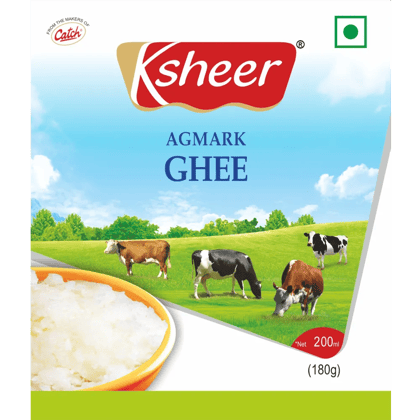
₹145₹150 ( 3% OFF )

₹32₹40 ( 20% OFF )

₹86₹90 ( 4% OFF )

₹66₹82 ( 20% OFF )

₹60₹70 ( 14% OFF )
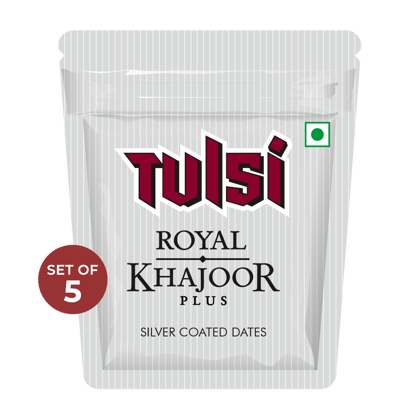


₹112₹140 ( 20% OFF )
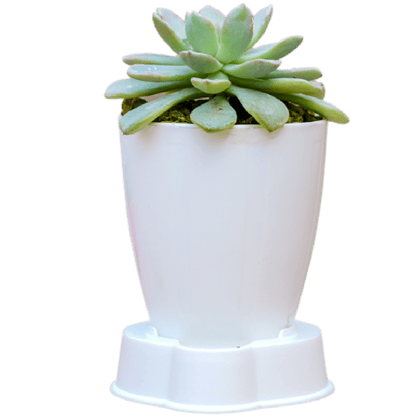



₹188₹235 ( 20% OFF )
₹52₹70 ( 26% OFF )

₹57₹60 ( 5% OFF )

₹124₹130 ( 5% OFF )
Delivery by Tuesday, 04 Aug to Delhi