



 Contact Us
 Appliances
 Agri Inputs
 Auto Components & Accessories
 Beauty & Personal Care
 Electronics
 Fashion
 Grocery
 Gift Cards
 Home & kitchen
 Health & Wellness
 Vehicles & Automotives
 Books & Stationary
 Pet Care
 Toys & Games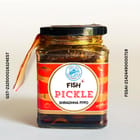







Shraddha Matsya Sahkari Samiti Maryadit Sadguwan is a producer of organic spices and condiments. This product is a 300gm jar of their famous mango pickle. The pickle is made with fresh mangoes, spices, and oil. It is a delicious and versatile c...
Read MorePopular Categories
Support
Language
Our apps
Authentic Fish Pickle 300gm
 Non Veg
Key Attributes
| Country of origin | India |
|---|---|
| Brand | Shraddha Matsya Sahkari Samiti Maryadit Sadguwan, Pathariya, Damoh |
| Net Quantity | 300 gram |
| Product Dimensions | 10L x 10W x 12H cm |
Shraddha Matsya Sahkari Samiti Maryadit Sadguwan is a producer of organic spices and condiments. This product is a 300gm jar of their famous mango pickle. The pickle is made with fresh mangoes, spices, and oil. It is a delicious and versatile condiment that can be enjoyed with a variety of dishes.
The pickle is made with a blend of spices that give it a unique and flavorful taste. The spices used include cumin, coriander, chili powder, and turmeric. The pickle is also made with a generous amount of oil, which helps to preserve the flavors of the spices and the mangoes.
The pickle is a great way to add a touch of spice to your meals. It can be enjoyed as a condiment with rice, dal, or roti. It can also be used as a marinade for meats or vegetables.
Fish pickle is a flavorful and often spicy condiment made by preserving pieces of fish in a mixture of oil, spices, and sometimes vinegar or other souring agents. It's a popular item in many parts of the world, particularly in South and Southeast Asian cuisines, where it's enjoyed as a side dish that adds a punch of taste to meals.
Here's a breakdown of what typically characterizes fish pickle:
Key Characteristics:
- Main Ingredient: The star of the pickle is, of course, fish. Various types of fish can be used, often firm-fleshed varieties like tuna, mackerel, seer fish (king mackerel), or even prawns. The fish is usually cut into small, manageable pieces.
- Preservation Medium: Oil is a primary preservative in fish pickle. It helps to prevent spoilage and also carries the flavors of the spices. Some recipes also incorporate vinegar, which adds a tangy flavor and further aids in preservation by lowering the pH. Salt is another crucial preservative.
- Spice Blend: A complex blend of spices is what gives fish pickle its distinctive taste. Common spices include:
- Chili powder: For heat and color.
- Turmeric powder: For color and its antiseptic properties.
- Mustard seeds: Whole or ground, for a pungent flavor.
- Fenugreek seeds: For a slightly bitter and aromatic note.
- Ginger and Garlic: Fresh or in paste form, for their strong flavors.
- Other spices: Depending on the regional variation and recipe, this can include cumin, coriander, cloves, cinnamon, pepper, and asafoetida (hing).
- Flavor Profile: Fish pickle typically offers a complex flavor profile that is:
- Savory: From the fish itself and the spices.
- Spicy: The level of heat can vary greatly depending on the amount and type of chili used.
- Tangy: Often present due to the use of vinegar, lemon juice, or other souring agents.
- Aromatic: From the blend of various spices.
- Texture: The texture of the fish pieces can range from slightly firm to somewhat softened depending on the preparation method and the type of fish used. The overall texture is usually oily with the presence of the fish and spice elements.
- Preparation: The process usually involves:
- Preparing the fish (cleaning, cutting, sometimes lightly frying or marinating).
- Preparing a spice mixture in oil, often by sautéing the spices.
- Combining the fish with the spiced oil and other ingredients like vinegar.
- Allowing the mixture to mature for a few days or weeks to allow the flavors to meld.
- Shelf Life: When properly prepared and stored in airtight containers, fish pickle can have a relatively long shelf life due to the preserving properties of oil, salt, and sometimes vinegar.
Regional Variations:
Fish pickle recipes vary significantly across different regions and even within families. You'll find distinct versions in:
- South India: Known for spicy and tangy fish pickles, often using ingredients like tamarind or lemon juice for sourness.
- Southeast Asia: Countries like Myanmar and Thailand also have their own unique fish pickle preparations.
- Other parts of the world: Coastal regions where fish is abundant often have their own methods of preserving it in a flavorful way.
Uses:
Fish pickle is typically eaten in small quantities as a side dish to accompany:
- Rice
- Curries
- Bread (like roti or paratha)
- Yogurt rice
- As an appetizer to stimulate the palate
In summary, fish pickle is a potent and flavorful condiment that offers a unique combination of savory fish, aromatic spices, and often a touch of heat and tanginess. It's a testament to traditional food preservation methods and a delicious addition to a wide range of meals.
The pickle is a healthy and nutritious addition to your diet. It is a good source of vitamins, minerals, and antioxidants. The pickle is also low in calories and fat.
If you are looking for a delicious and versatile condiment, then Shraddha Matsya Sahkari Samiti Maryadit Sadguwan's mango pickle is the perfect product for you. Order your jar today!
| Country of origin | India |
|---|---|
| Shelf Life | 12 Month |
| Brand | Shraddha Matsya Sahkari Samiti Maryadit Sadguwan, Pathariya, Damoh |
| Net Quantity | 300 gram |
| Additive info | Preservatives: Sodium Benzoate (INS 211), Potassium Sorbate (INS 202), Acetic Acid (vinegar), Citric Acid (INS 330). Acidity Regulators: Acetic Acid, Citric Acid. Antioxidants: BHA (INS 320), BHT (INS 321), TBHQ (INS 319) (regulated use). Coloring Agents: Natural (Turmeric - INS 100, Paprika - INS 160c), possibly synthetic (regulated, declared). Flavor Enhancers: MSG (INS 621) (possible). Emulsifiers/Stabilizers: Less common in traditional types. |
| Weight | 300 g |
| Package Dimension | 10L x 10W x 12H cm |
| Product Dimensions | 10L x 10W x 12H cm |
| Food type | non_veg |
| Ingredients | Fish pickle: Preserved fish pieces in oil, salt, and spices (chili, turmeric, mustard, fenugreek, ginger, garlic common). May include vinegar or souring agents. Flavorful, often spicy side dish. |
| Nutritional information | Fish pickle's nutritional content varies, but generally: Calories: Around 22-109 per small serving (12-25g). Fat: Moderate to high, often a large percentage of calories. Can contain Omega-3s. Protein: Varies, roughly 1-5g per serving. Carbs: Low, around 0-6g per serving. Sodium: Typically high due to salt preservation. Vitamins & Minerals: Can offer some Vitamin D, B12, and iron depending on the fish. |
| Instructions | Keep cool and dry place |
| contact details consumer care | Shraddha Matsya Sahkari Samiti Maryadit Sadguwan , [email protected] |
Other Product from seller Shraddha Matsya Sahkari Samiti Maryadit Sadguwan


₹450₹600 ( 25% OFF )
