


 Contact Us
 Appliances
 Agri Inputs
 Auto Components & Accessories
 Beauty & Personal Care
 Electronics
 Fashion
 Grocery
 Gift Cards
 Home & kitchen
 Health & Wellness
 Vehicles & Automotives
 Books & Stationary
 Pet Care
 Toys & Games

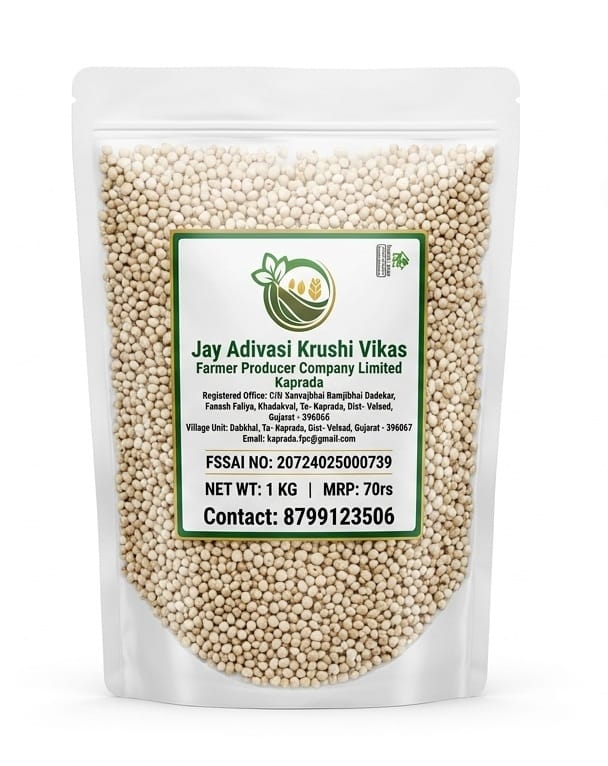
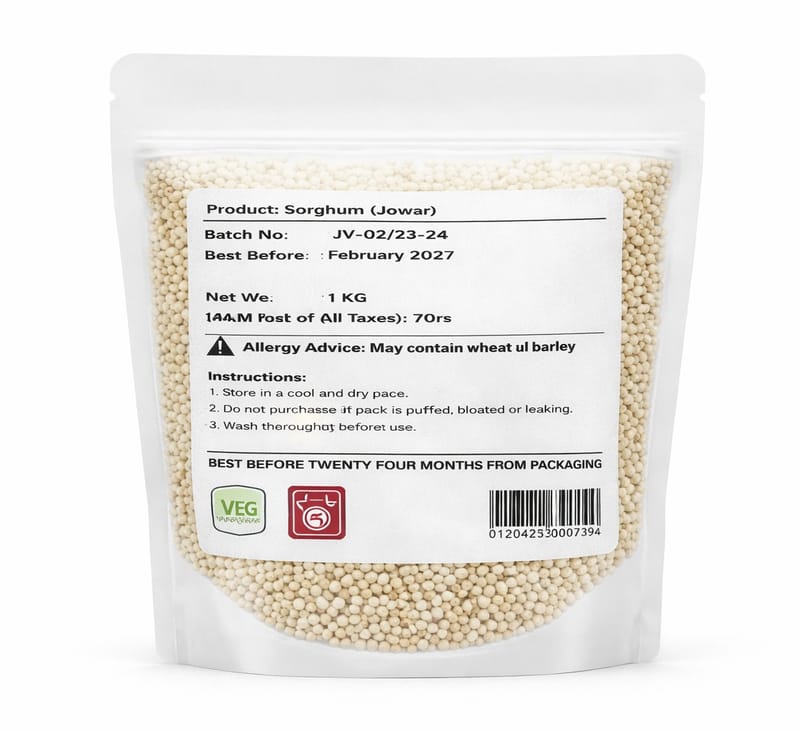

Dadar is a high-quality, traditional variety of Sorghum (Jowar) known for its large white grains, high nutritional value, and superior taste, particularly for making rotis. Primarily grown ...
Read MorePopular Categories
Support
Language
Our apps
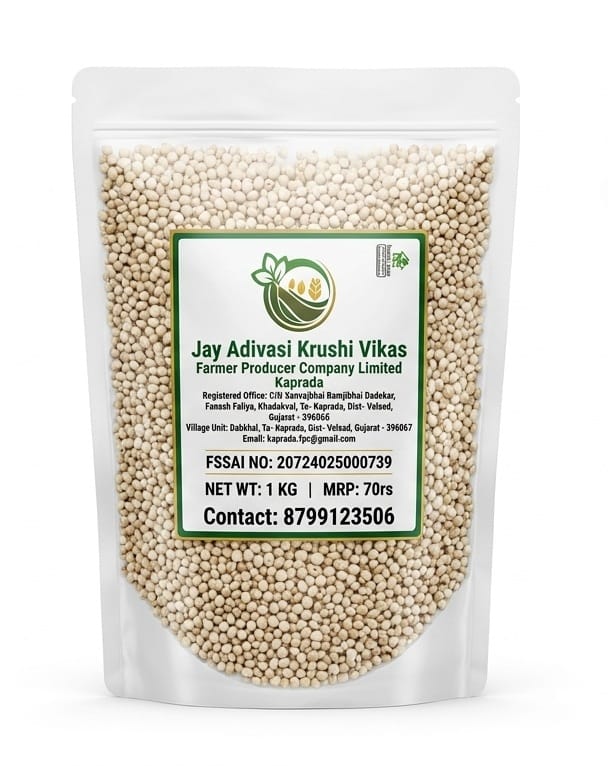
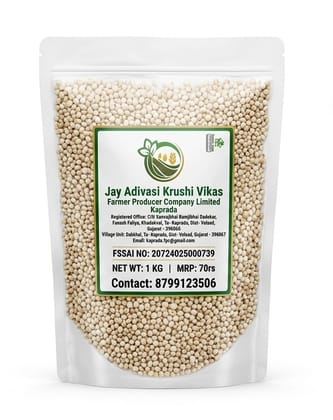
Sorghum (Jawar) 1Kg
Veg
Key Attributes
| Country of origin | India |
|---|---|
| Net Quantity | 1 kilogram |
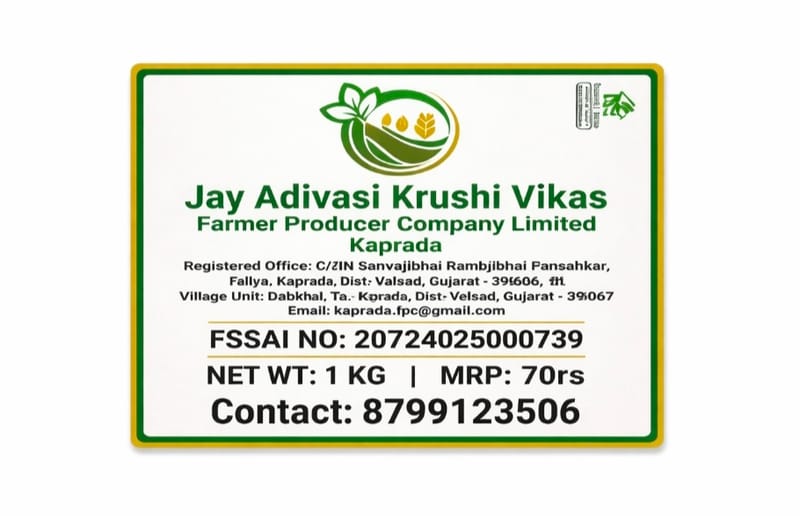
| Manufacturer or packer name | Jay Adivasi Krushi Vikas Farmer Producer Company Ltd |
Dadar is a high-quality, traditional variety of Sorghum (Jowar) known for its large white grains, high nutritional value, and superior taste, particularly for making rotis. Primarily grown in Maharashtra’s Satpura region, this gluten-free, fiber-rich millet offers a sweet-tasting,, soft bhakri and is used as a staple food.
Key Details of Dadar Sorghum:
- Characteristics: Known as a high-yielding, rainfed variety, the plant reaches a height of . It is recognized by a wide, feathered panicle and lustrous, bold white grains.
- Nutritional Profile: It is packed with fiber, iron, calcium, and protein, making it excellent for health. It is often sold as an unpolished, organic grain.
- Usage: Used widely for making soft, premium-quality rotis (unleavened bread) and high-quality cattle fodder (kadba).
- Cultivation & Harvest: Primarily grown in Khandesh (Jalgaon, Dhule, Nandurbar) as a rainfed crop, often harvested around February-March.
- Price: Prices typically range around per kg, though it can vary based on quality and market.
- Varieties: Often sold as white Masakali Dadar or Solapuri Dadar.
| Country of origin | India |
|---|---|
| Net Quantity | 1 kilogram |
| Additive info | 1. Functional Food Additives (Health & Preservation) Sorghum bran is rich in bioactive compounds, allowing it to be used as a natural, multifunctional additive. Antioxidant Preservative: High-tannin sorghum bran, added at 0.15% to 0.65%, can be used as a natural antioxidant to enhance the quality and shelf-life of processed meats. Natural Colorant: Dark-colored sorghum (black or red) provides natural, red-to-violet coloring for foods, acting as a functional alternative to synthetic dyes. Dough Strengthener: Sorghum proanthocyanidins (tannins) act as natural dough strengtheners in gluten-free applications, increasing viscosity and creating a more elastic texture similar to wheat dough. Acrylamide Reducer: Adding 1.5% sorghum bran extract to bread can reduce harmful acrylamide levels by 70%. 2. Nutritional Additives (Food Enhancement) Fiber Enhancement: Sorghum flour and bran are added to foods to increase dietary fiber, helping to promote satiety and improve digestion. Gluten-Free Flour: Sorghum flour is used to enhance the nutritional value of gluten-free bread, cookies, and pasta, providing essential minerals like iron, zinc, and magnesium. Fortification: Sorghum is used as a base for fortifying food with antioxidants, 3-deoxyanthocyanidins, and slow-digesting starch to fight obesity and diabetes. 3. Animal Feed Additives & Silage Sorghum is often used in animal nutrition, particularly as a drought-resistant alternative to maize. Silage Additives: To improve the fermentation quality of sorghum silage, additives such as jaggery (2%), whey (2%), and mineral mixtures (2%) are used. Cellulase & Microbes: Lactobacillus plantarum, cellulase, and xylanase are used to improve silage performance, with cellulase (20 U/g) significantly increasing lactic acid and water-soluble carbohydrate content. Tannin Management: While tannins are often considered undesirable in animal feed due to reduced digestibility, they can increase bypass protein in ruminants. Treatment with alkali (sodium/ammonium hydroxide) or polyethylene glycol can overcome the negative effects of high-tannin varieties. |
| Expiry Date | Best Before 1 Year |
| Package Dimension | 18L x 10W x 28H cm |
| Food type | veg |
| Manufacturer or packer name | Jay Adivasi Krushi Vikas Farmer Producer Company Ltd |
| Manufacturer or packer address | Dabkhal Branch Post Office, Gujarat State Highway 67, Dabkhal |
| Nutritional information | Sorghum is a highly nutritious, gluten-free ancient grain packed with fiber, protein, and antioxidants. A 100g serving contains approximately 330–340 kcal, 11g protein, 6–7g fiber, and essential minerals like magnesium, iron, and phosphorus Key Nutritional Components (Per 100g, Raw) Calories: ~339 kcal Carbohydrates: ~72–74 g Protein: ~11 g Dietary Fiber: ~6–7 g Fat: ~3 g (mostly unsaturated) |
| Instructions | Soaking: To improve digestibility and reduce anti-nutrients like phytates, soak whole sorghum grains overnight in water before cooking. Stovetop Cooking: Ratio: Use 1 cup of whole-grain sorghum to 3 cups of water or broth. Method: Bring to a boil, reduce to a simmer, cover, and cook for 40-55 minutes until tender. Drain: Drain any excess liquid. Pressure Cooker/Instant Pot: Cook for 30 minutes on high pressure, then use quick release. Uses: Whole Grain: Used in salads, grain bowls, and soups. Porridge: Cooked with more water for a breakfast porridge. Flour: Used in rotis, tortillas, and baking (often blended with other flours). Popped: Similar to popcorn, but smaller. Storage: Store whole grains in an airtight container in a cool, dry place for up to 6 months, or in the freezer for up to a year. Flour should ideally be stored in the refrigerator or freezer to prevent it from turning rancid. Precautions and Warnings Digestive Discomfort: Because sorghum is high in fiber, introducing it suddenly in large amounts can cause bloating or stomach discomfort. Increase intake gradually. Anti-nutrients: Raw sorghum contains phytates that can inhibit the absorption of iron and zinc. Soaking, fermenting, or roasting the grain helps reduce these compounds. Pregnancy and Breastfeeding: There is insufficient reliable information on the safety of using sorghum in medicinal amounts during pregnancy or breast-feeding; stick to normal food amounts. Dryness/Heaviness: Sorghum rotis can feel dry or heavy to some users. Pairing them with moist, oil-based dishes or adding ghee can improve digestibility. Livestock Feeding (Prussic Acid): When using sorghum as fodder, avoid grazing stressed plants (drought, frost) or young regrowth, as these can contain dangerous levels of cyanide (prussic acid). Tips for Better Results Pairing: Pair with nutrient-rich vegetables to balance the meal. Texture: If the grain feels too tough, increase cooking time or soak longer. Variety: Pearled sorghum is softer and cooks faster than whole-grain sorghum, though it has less fiber. |
| contact details consumer care | Jay Adivasi Krushi Vikas Farmer Producer Company Ltd, [email protected] |
Other Product from seller Jay Adivasi Krushi Vikas Farmer Producer Company Ltd

₹60₹70 ( 14% OFF )