


 Contact Us
 Appliances
 Agri Inputs
 Auto Components & Accessories
 Beauty & Personal Care
 Electronics
 Fashion
 Grocery
 Gift Cards
 Home & kitchen
 Health & Wellness
 Vehicles & Automotives
 Books & Stationary
 Pet Care
 Toys & Games
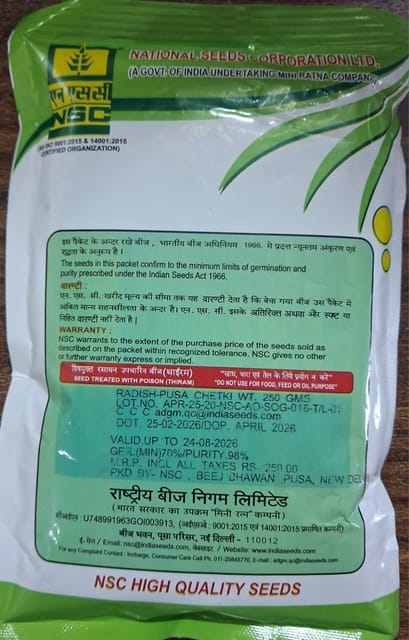
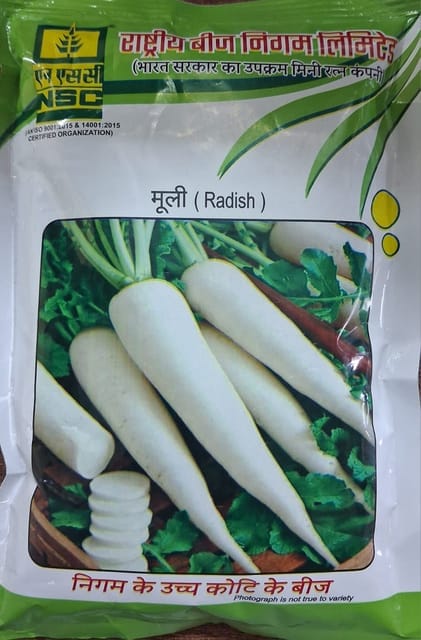
- Pusa Chetki is an important early-maturing tropical radish variety developed by the Indian Agricultural Research Institute (IARI), New Delhi. It is particularly suitable for cultivation during the hot and humid conditions of the Indian pl...
Popular Categories
Support
Language
Our apps
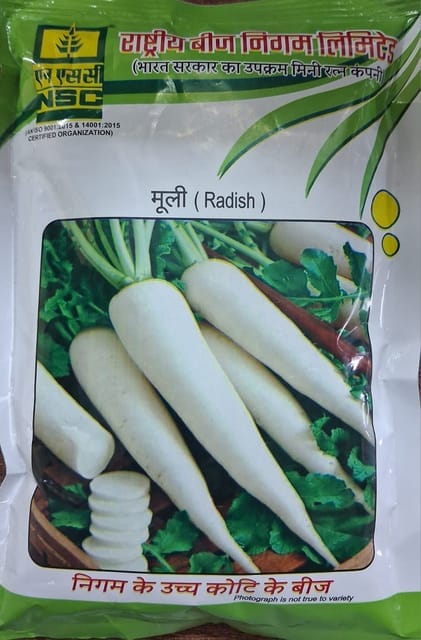
Radish/pusa Chetki Hybrid T/l 250 G Packing
Key Attributes
| Country of origin | India |
|---|---|
| Brand | NSC |
| Net Quantity | 1 pack |
| Manufacturer or packer name | NSC-Ajmer |
- Pusa Chetki is an important early-maturing tropical radish variety developed by the Indian Agricultural Research Institute (IARI), New Delhi. It is particularly suitable for cultivation during the hot and humid conditions of the Indian plains.
Botanical information
- Common name: Radish
- Scientific name: Raphanus sativus L.
- Family: Brassicaceae (Cruciferae)
- Chromosome number: 2n = 18
- Edible part: Enlarged tap root
Variety
- Variety: Pusa Chetki
- Developed by: IARI, New Delhi
- Type: Tropical/early radish
- Special feature: Performs well under relatively high-temperature conditions.
Plant characteristics
- Plants have green, erect foliage.
- Roots are generally white, tender and smooth.
- Roots are relatively long and cylindrical/tapering.
- The roots have good tenderness and are suitable for fresh consumption.
Maturity
- Very early maturing variety.
- Roots can generally be harvested in about 40–45 days after sowing, depending on season, soil and management.
- It is particularly valuable when an early radish crop is required.
Sowing season
- Pusa Chetki is especially suitable for summer and rainy-season cultivation in many parts of India.
- Typical sowing periods:
- Summer: March–April
- Rainy season: June–August, depending on region
- It can also be grown in other seasons where temperature conditions are suitable.
Climate
- Best suited to warm/tropical conditions compared with temperate radish varieties.
- It has relatively good tolerance to higher temperatures.
- Excessive heat, however, can reduce root quality and increase pungency.
Soil
- Best soil: well-drained, loose sandy loam or loam soil
- Soil should be free from stones and clods to obtain straight, smooth roots.
- Ideal soil reaction is around pH 5.5–7.0.
- Heavy, compact soils may produce misshapen or forked roots.
Seed rate
- A commonly used seed rate for radish is approximately 8–10 kg/ha, although the exact requirement depends on seed quality, spacing and sowing method.
Spacing
- A suitable spacing is approximately:
- Row-to-row: 30 cm
- Plant-to-plant: 7.5–10 cm
- Thinning should be done after emergence to maintain proper plant population.
| Country of origin | India |
|---|---|
| Brand | NSC |
| Common name | Muli |
| Net Quantity | 1 pack |
| Batch number | APR25-20-NSC-AO-SOG-016 |
| Expiry Date | 12/2026 |
| Weight | 250 g |
| Package Dimension | 30L x 5W x 8H cm |
| Manufacturer or packer name | NSC-Ajmer |
| Manufacturer or packer address | F- 45-46, industrial Road, Parbatpur Bye Pass, Nasirabad Choraha |
| Manufacturing Date | 04/2026 |
| contact details consumer care | NSC-Ajmer, [email protected] |
Other Products from seller NSC-Ajmer
₹300₹400 ( 25% OFF )
₹220₹250 ( 12% OFF )
₹50₹88 ( 43% OFF )
₹65₹100 ( 35% OFF )
₹135₹180 ( 25% OFF )
₹50₹99 ( 49% OFF )
₹149₹250 ( 40% OFF )
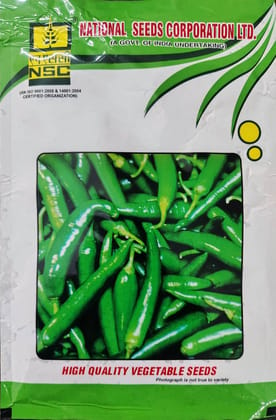
₹60₹100 ( 40% OFF )
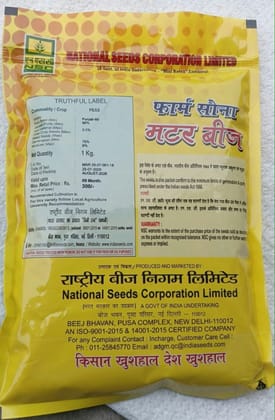
₹270₹499 ( 46% OFF )
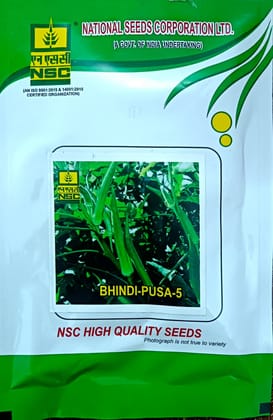
₹115₹150 ( 23% OFF )
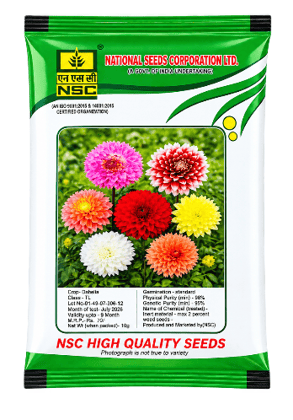
₹60₹100 ( 40% OFF )
