



 Contact Us
 Appliances
 Agri Inputs
 Auto Components & Accessories
 Beauty & Personal Care
 Electronics
 Fashion
 Grocery
 Gift Cards
 Home & kitchen
 Health & Wellness
 Vehicles & Automotives
 Books & Stationary
 Pet Care
 Toys & Games

‘A political scientist on Kashmir once said to me: “You cannot discuss Kashmir, or the Kashmir conflict, without starting with history.”’ In this way begins Radha Kumar’s political history of Kashmir, a book that attempts to give the reader a defi...
Read MorePopular Categories
Support
Language
Our apps
Paradise at War: a Definitive Yet Accessible Study of Perhaps the Most Troubled Part of India
Key Attributes
| Country of origin | India |
|---|---|
| Brand | Rupa Publications |
| Net Quantity | 1 unit |
| Manufacturer or packer name | Aleph Book Company |
‘A political scientist on Kashmir once said to me: “You cannot discuss Kashmir, or the Kashmir conflict, without starting with history.”’ In this way begins Radha Kumar’s political history of Kashmir, a book that attempts to give the reader a definitive yet accessible study of perhaps the most troubled part of India. Beginning with references to Kashmir as ‘a sacred geography’ in the Puranas, Kumar’s account moves forward in time through every major development in the region’s history. It grapples with the seemingly intractable issues that have turned the state into a battleground and tries to come up with solutions that are realistic andasting. Situating the conflict in the troubled geopolitics of Kashmir’s neighbourhood, Kumar unpicks the gnarled tangle of causes that haveed to the present troubles in the region, from wars and conquest to Empire and the growth of nationalism; the troubled accession of the state to India by Maharaja Hari Singh amidst partition; Pakistani attacks and the rise of the Cold War; the politics of the various parts of the former princely state including Jammu and Kashmir, and the areas administered by Pakistan; the wars that followed and the attempts that Indian, Pakistani and Kashmirieaders, starting with Sheikh Abdullah and Jawaharlal Nehru, made to find peaceful solutions, including taking the Kashmir issue to the UN, which had unintended consequences for India; the demand for plebiscite; the Simla Agreement, turning the ceasefireine into theine of Control; communal riots in the 1980s and the growth of insurgency; increase in security forces in the state in the 1990seading to public resentment; and the guerrilla occupation of Hazratbal, the fifteenth-century mosque. Showing that a changed Post-Cold War milieu offered new opportunities for peace-making that were restricted by domestic stresses in Pakistan, Kumar analyses theahore Declaration and its undoing with the Kargil operation; the morphing of insurgency into an Islamist jihad against India; India’s attempts to parley with separatist groups; and the progress made towards a Kashmir solution via peace talks by various Indian and Pakistani governments between 2002 and 2007. Kumar’s descriptions of the contemporary situation—the impact of 9/11 and the war on terrorism; the Afghan war and the Mumbai attacks which created pressure on Pakistan to take action against radical Islamists; the blowback in Pakistan resulting in the growing radicalization of Pakistani institutions such as the judiciary and its spill over in Kashmir; the Indian government’s failure to move Kashmir into a peacebuilding phase; the trouble with AFSPA; the anti-India feelings that were triggered by counter-insurgency responses in 2010, the contentious coalition of 2014 and the killing of suspected terrorist Burhan Wani in 2016—underline the tragedies which ensue when conditions, timing and strategy are mismatched. Drawing on her experience as a government interlocutor, Kumar chastises the Indian government for never failing ‘to snatch defeat from the jaws of victory when it comes to the state’s political grievances’. Equally, she shows how Pakistan’s Kashmir policy has been ‘an unmitigated disaster’. While arguing that India can do a great deal to reduce violence and encourage reconciliation within the former princely state, she concludes that if Kashmir is ever to move towardsasting peace and stability, the major stakeholders as well as regional and international actors will need to work together on the few feasible options that remain. Timely and authoritative, the book cuts through the rhetoric that cloaks Kashmir to give the reader a balanced,ucid and deeply empathetic view of the state, its politics and its people.
| Country of origin | India |
|---|---|
| Brand | Rupa Publications |
| Common name | Books |
| Net Quantity | 1 unit |
| Package Dimension | 8.5L x 5.5W x 2H cm |
| Manufacturer or packer name | Aleph Book Company |
| Manufacturer or packer address | First Floor, 4259/3, Viraj Tower-, Ansari Road, Daryaganj, New Delhi, Central Delhi, Delhi, 110002 |
| Manufacturing Date | 2018-10-20 |
| ISBN | 9789388292122 |
| contact details consumer care | Rupa Publications India Pvt Ltd, [email protected] |
Other Products from seller Rupa Publications India Pvt Ltd
₹354₹495 ( 28% OFF )

₹284₹395 ( 28% OFF )
₹423₹595 ( 29% OFF )
₹495₹699 ( 29% OFF )
₹284₹395 ( 28% OFF )
₹215₹295 ( 27% OFF )
₹145₹195 ( 26% OFF )
₹145₹195 ( 26% OFF )

₹631₹895 ( 29% OFF )
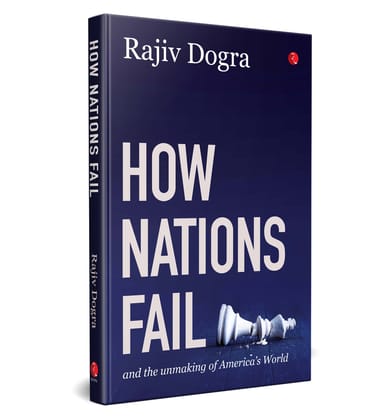
₹631₹895 ( 29% OFF )

₹114₹150 ( 24% OFF )

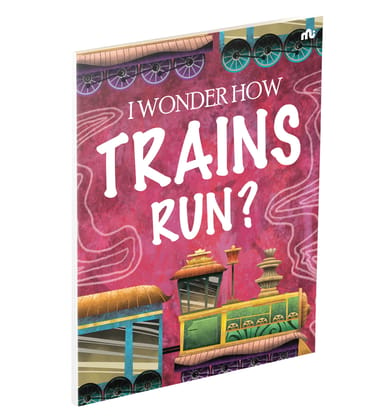
₹145₹195 ( 26% OFF )
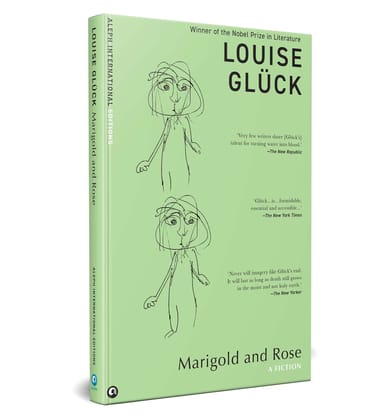
₹287₹399 ( 28% OFF )
