



 Contact Us
 Appliances
 Agri Inputs
 Auto Components & Accessories
 Beauty & Personal Care
 Electronics
 Fashion
 Grocery
 Gift Cards
 Home & kitchen
 Health & Wellness
 Vehicles & Automotives
 Books & Stationary
 Pet Care
 Toys & Games

The ideology of Pakistan is not defined, but it has a pervasive influence over the state and society. Ayub stated that this ideology is Islam. General Asim Munir equates it with the Two-Nation Theory.
The idea of a distinct Muslim identity ...
Popular Categories
Support
Language
Our apps
Key Attributes
| Country of origin | India |
|---|---|
| Brand | Bloomsbury |
| Net Quantity | 1 piece |
| Manufacturer or packer name | Bloomsbury India |
The ideology of Pakistan is not defined, but it has a pervasive influence over the state and society. Ayub stated that this ideology is Islam. General Asim Munir equates it with the Two-Nation Theory.
The idea of a distinct Muslim identity was shaped by Sir Syed Ahmad Khan, Iqbal and Jinnah. They saw it in terms of conflict with the majority Hindu community. This view was challenged by Maulana Madani, who called for composite nationality. He was criticized by Iqbal and Maududi.
In his famous speech of 11 August 1947, Jinnah said that religion has nothing to do with the business of the State. This proved to be a short-lived departure from his Two-Nation Theory. Kaliquzzaman, who succeeded Jinnah as president of Pakistan’s Muslim League, has an interesting explanation for Jinnah’s about-turn.
The Lahore Resolution called for independent ‘states’; Jinnah tried to change it to ‘state’. This ambivalence could not be wished away and eventually led to the emergence of Bangladesh. The Baloch struggle shows that the idea of nationality remains alive.
The Pakistan Army regards itself as the defender of the country’s territorial and ideological frontiers. Do its Afghanistan, Kashmir and nuclear policies reflect ideologies, strategies or territorial interests? The Army’s legitimacy is now being challenged by Imran’s supporters.
The increasing radicalization of Pakistani society has implications beyond the region. It is no coincidence that Al Qaeda’s leadership found sanctuary in Pakistan after 9/11. Though the country has received twenty-five IMF bailout packages, its economy remains in a precarious state.
In Pakistan: Ideologies, Strategies and Interests Dinkar Srivastava traces Pakistan’s evolution and drift to an uncertain future.
The idea of a distinct Muslim identity was shaped by Sir Syed Ahmad Khan, Iqbal and Jinnah. They saw it in terms of conflict with the majority Hindu community. This view was challenged by Maulana Madani, who called for composite nationality. He was criticized by Iqbal and Maududi.
In his famous speech of 11 August 1947, Jinnah said that religion has nothing to do with the business of the State. This proved to be a short-lived departure from his Two-Nation Theory. Kaliquzzaman, who succeeded Jinnah as president of Pakistan’s Muslim League, has an interesting explanation for Jinnah’s about-turn.
The Lahore Resolution called for independent ‘states’; Jinnah tried to change it to ‘state’. This ambivalence could not be wished away and eventually led to the emergence of Bangladesh. The Baloch struggle shows that the idea of nationality remains alive.
The Pakistan Army regards itself as the defender of the country’s territorial and ideological frontiers. Do its Afghanistan, Kashmir and nuclear policies reflect ideologies, strategies or territorial interests? The Army’s legitimacy is now being challenged by Imran’s supporters.
The increasing radicalization of Pakistani society has implications beyond the region. It is no coincidence that Al Qaeda’s leadership found sanctuary in Pakistan after 9/11. Though the country has received twenty-five IMF bailout packages, its economy remains in a precarious state.
In Pakistan: Ideologies, Strategies and Interests Dinkar Srivastava traces Pakistan’s evolution and drift to an uncertain future.
| Country of origin | India |
|---|---|
| Brand | Bloomsbury |
| Common name | Books |
| Net Quantity | 1 piece |
| Manufacturer or packer name | Bloomsbury India |
| Manufacturer or packer address | 2nd Floor, Building no.4, C-6&7, No, DDA Complex, Pocket 6, Sector C, Vasant Kunj, New Delhi, Delhi 110341 |
| Manufacturing Date | As per product batch |
| ISBN | 9789361316746 |
Other Products from seller Rupa Publications India Pvt Ltd

₹215₹295 ( 27% OFF )
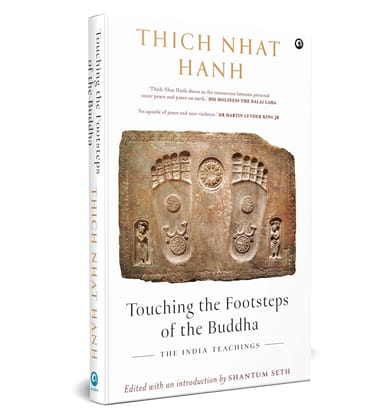
₹634₹899 ( 29% OFF )
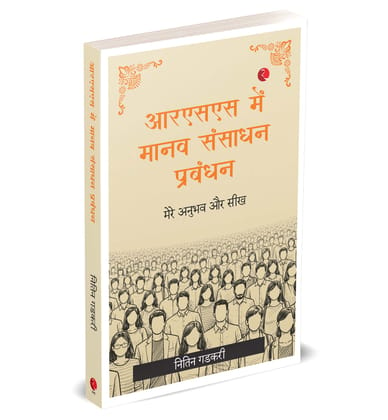
₹215₹295 ( 27% OFF )
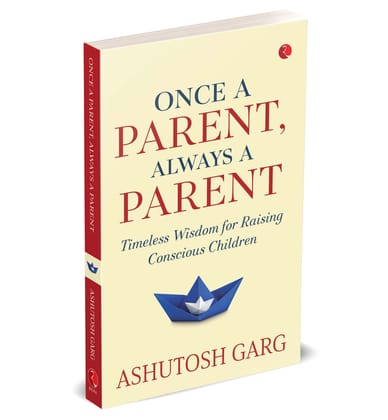
₹284₹395 ( 28% OFF )
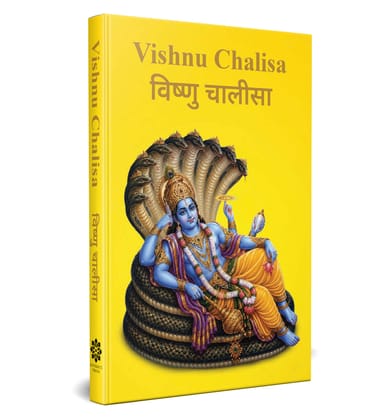
₹145₹195 ( 26% OFF )
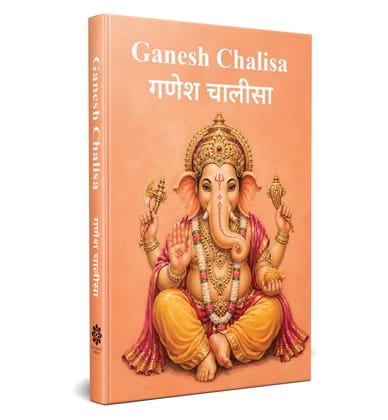
₹145₹195 ( 26% OFF )
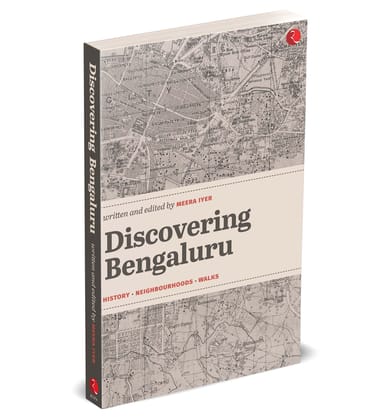
₹562₹795 ( 29% OFF )
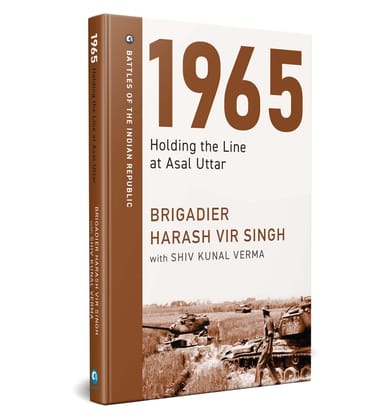
₹357₹499 ( 28% OFF )
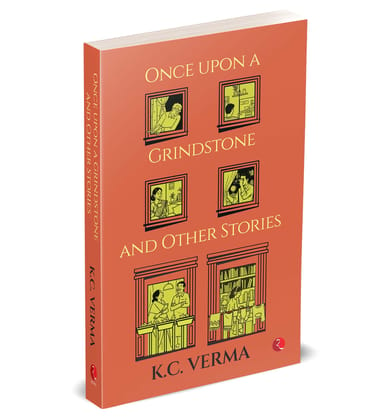
₹284₹395 ( 28% OFF )

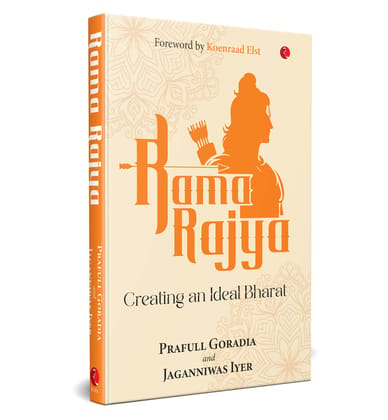
₹631₹895 ( 29% OFF )
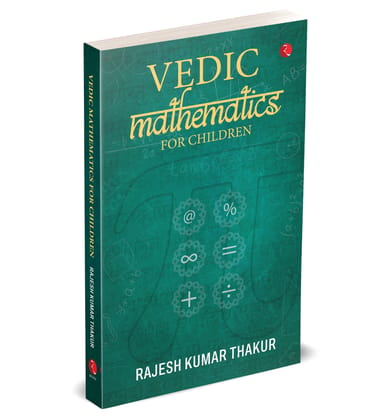
₹284₹395 ( 28% OFF )

₹634₹899 ( 29% OFF )

₹284₹395 ( 28% OFF )
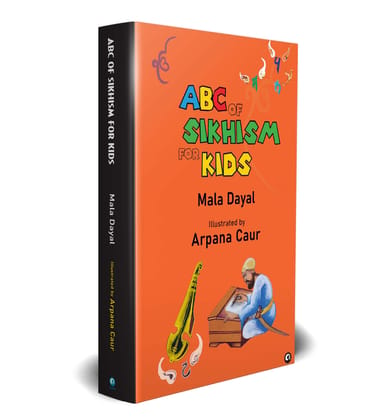
₹287₹399 ( 28% OFF )
