



 Contact Us
 Appliances
 Agri Inputs
 Auto Components & Accessories
 Beauty & Personal Care
 Electronics
 Fashion
 Grocery
 Gift Cards
 Home & kitchen
 Health & Wellness
 Vehicles & Automotives
 Books & Stationary
 Pet Care
 Toys & Games






The middle class in India constitutes 31 per cent of the population and is expected to hit the 60 per cent mark by 2047. With
a population of over 1.4 billion, India is the most populated country in the world. It is the world’s largest democrac...
Popular Categories
Support
Language
Our apps
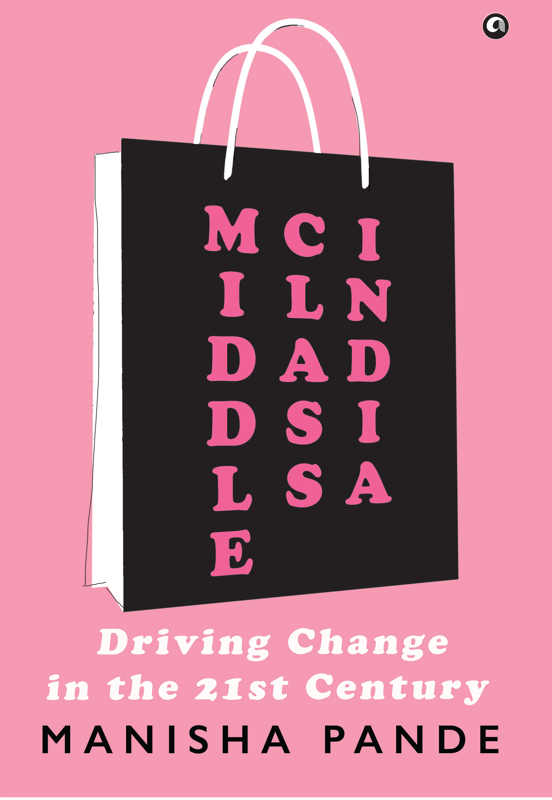
Middle Class India: Driving Change in the 21st Century
Key Attributes
| Country of origin | India |
|---|---|
| Brand | Rupa Publications |
| Net Quantity | 1 unit |
| Manufacturer or packer name | Aleph Book Company |
The middle class in India constitutes 31 per cent of the population and is expected to hit the 60 per cent mark by 2047. With
a population of over 1.4 billion, India is the most populated country in the world. It is the world’s largest democracy and the
fifth-largest economy. One of the factors behind India’s increasing influence globally has been its middle class, which has seen unprecedented growth since the economic liberalization of 1991. Between 1995 and 2021, the middle class grew at a rate of 6.3 per cent per year.
So who constitutes middle class India? Is this class defined by economic status, social standing, cultural power, aspirations, or is it a mix of all these aspects? Where do middle-class Indians stand on various matters such as education, career, politics, marriage and family, consumption, societal progress, work, and worship?
In this in-depth study, journalist Manisha Pande traces the growth and evolution of the Indian middle class (a diverse and
heterogeneous group) through three distinct phases. As the British imperialists strengthened their grip on India, between the Battle of Plassey in 1757 until Independence in 1947, members of the traditionally apolitical middle class became leaders of
the freedom movement. From Independence until 1991 was a transitional phase for the Indian middle class, during which it
underwent several changes to emerge as a powerful segment of society that would have considerable influence on the politics of the country. Since 1991, innovation and entrepreneurship have become the norm for the middle class, which has become exceedingly ambitious. This new class is highly consumerist and very conscious of its new-found power. It has also become highly polarized. Grappling with communalization and post-pandemic financial strain, it might actually be regressing in some ways, especially with some sections becoming sectarian and bigoted in their outlook.
Incisive and deeply researched, Middle Class India traces the changes in size, composition, and complexity that the middle class has undergone over the years and debates the steps it needs to take as a class to drive economic growth, social harmony, and peace for the nation.
a population of over 1.4 billion, India is the most populated country in the world. It is the world’s largest democracy and the
fifth-largest economy. One of the factors behind India’s increasing influence globally has been its middle class, which has seen unprecedented growth since the economic liberalization of 1991. Between 1995 and 2021, the middle class grew at a rate of 6.3 per cent per year.
So who constitutes middle class India? Is this class defined by economic status, social standing, cultural power, aspirations, or is it a mix of all these aspects? Where do middle-class Indians stand on various matters such as education, career, politics, marriage and family, consumption, societal progress, work, and worship?
In this in-depth study, journalist Manisha Pande traces the growth and evolution of the Indian middle class (a diverse and
heterogeneous group) through three distinct phases. As the British imperialists strengthened their grip on India, between the Battle of Plassey in 1757 until Independence in 1947, members of the traditionally apolitical middle class became leaders of
the freedom movement. From Independence until 1991 was a transitional phase for the Indian middle class, during which it
underwent several changes to emerge as a powerful segment of society that would have considerable influence on the politics of the country. Since 1991, innovation and entrepreneurship have become the norm for the middle class, which has become exceedingly ambitious. This new class is highly consumerist and very conscious of its new-found power. It has also become highly polarized. Grappling with communalization and post-pandemic financial strain, it might actually be regressing in some ways, especially with some sections becoming sectarian and bigoted in their outlook.
Incisive and deeply researched, Middle Class India traces the changes in size, composition, and complexity that the middle class has undergone over the years and debates the steps it needs to take as a class to drive economic growth, social harmony, and peace for the nation.
| Country of origin | India |
|---|---|
| Brand | Rupa Publications |
| Common name | Books |
| Net Quantity | 1 unit |
| Package Dimension | 21.6L x 14W x 2H cm |
| Manufacturer or packer name | Aleph Book Company |
| Manufacturer or packer address | First Floor, 4259/3, Viraj Tower-, Ansari Road, Daryaganj, New Delhi, Central Delhi, Delhi, 110002 |
| Manufacturing Date | 11-11-2024 |
| ISBN | 9788119635467 |
| contact details consumer care | Rupa Publications India Pvt Ltd, [email protected] |
Other Products from seller Rupa Publications India Pvt Ltd

₹215₹295 ( 27% OFF )
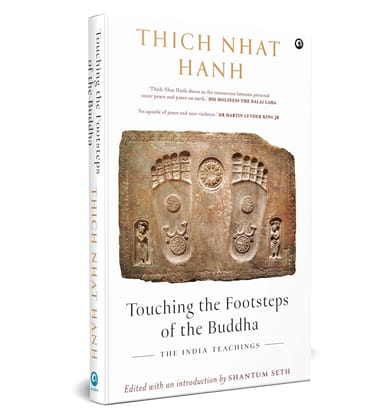
₹634₹899 ( 29% OFF )
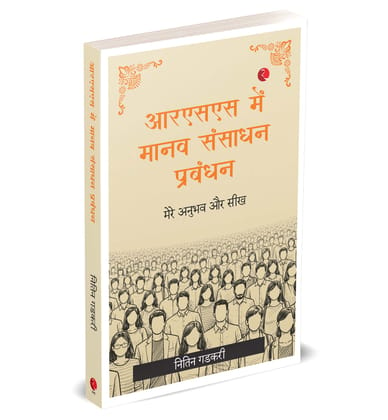
₹215₹295 ( 27% OFF )

₹284₹395 ( 28% OFF )
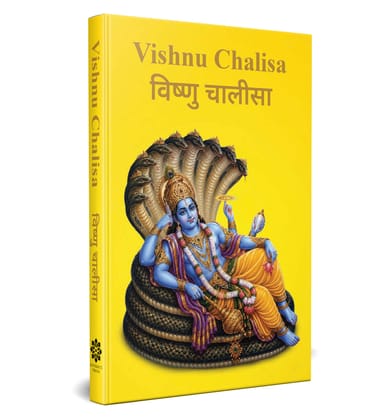
₹145₹195 ( 26% OFF )
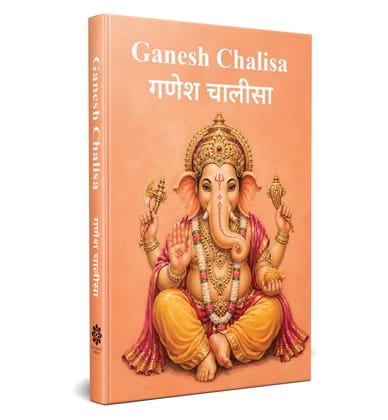
₹145₹195 ( 26% OFF )
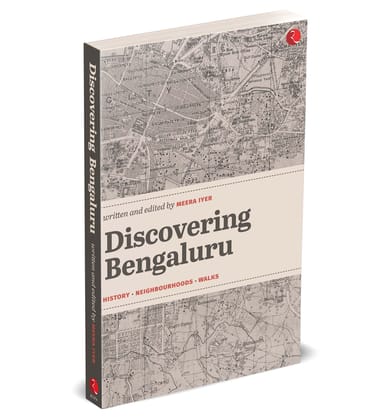
₹562₹795 ( 29% OFF )

₹357₹499 ( 28% OFF )
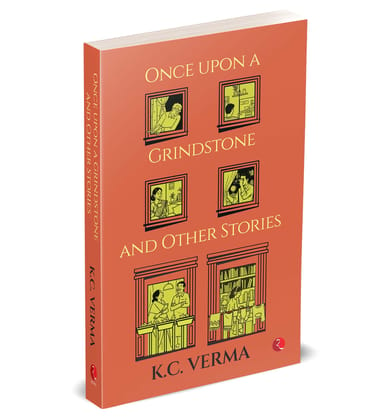
₹284₹395 ( 28% OFF )

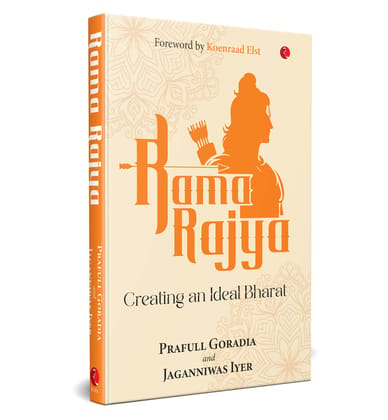
₹631₹895 ( 29% OFF )
₹284₹395 ( 28% OFF )

₹634₹899 ( 29% OFF )

₹284₹395 ( 28% OFF )

₹287₹399 ( 28% OFF )
