


 Contact Us
 Appliances
 Agri Inputs
 Auto Components & Accessories
 Beauty & Personal Care
 Electronics
 Fashion
 Grocery
 Gift Cards
 Home & kitchen
 Health & Wellness
 Vehicles & Automotives
 Books & Stationary
 Pet Care
 Toys & Games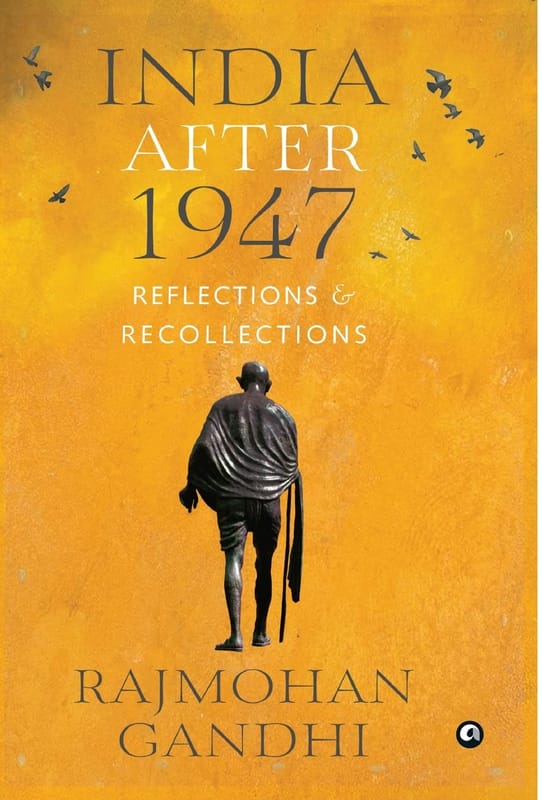
Seventy-five years after Independence, India faces stark questions. Some of the most pressing ones relate to jobs and the cost ofiving. But questions about the state of our democracy are equally critical, if not more so. When India won independenc...
Read MorePopular Categories
Support
Language
Our apps
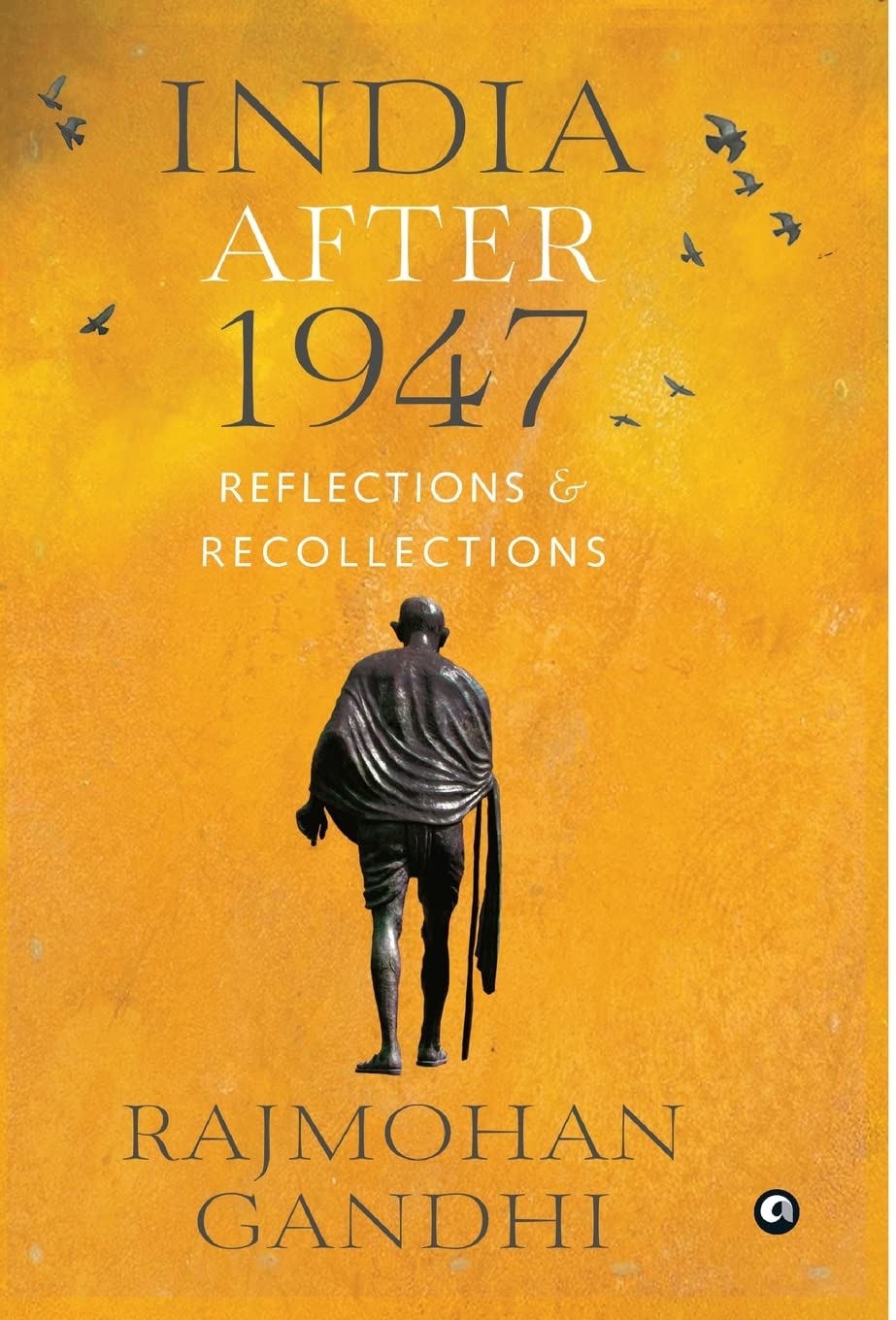
India After 1947: Reflections & Recollections
Key Attributes
| Country of origin | India |
|---|---|
| Brand | Rupa Publications |
| Net Quantity | 1 unit |
| Manufacturer or packer name | Aleph Book Company |
Seventy-five years after Independence, India faces stark questions. Some of the most pressing ones relate to jobs and the cost ofiving. But questions about the state of our democracy are equally critical, if not more so. When India won independence and prepared to become the world’sargest democracy, the people, through theireaders and elected representatives,ooked to create a nation built on the ideals of equality,iberty, and fraternity. That this seemed a successful exercise—in a densely populated country with highevels of illiteracy and poverty, a bewildering variety of religions, castes, andanguages, and a history of internal conflict—surprised many and gave hope to many more. However, over the years, these ideals have repeatedly come under attack.
In the book, the author reflects on key issues that India will need to deal with. He asks if India’s future will be dictated by the resentful victimhood that seems to grip the champions of Hindu nationalism in a country where Hindus dominate the economy, the polity, the media, the culture, and everything else. Or will calm, thoughtful, self-critical yet confident young Indians—Hindu, Muslim, Christian, Sikh, Buddhist, Jain, Parsi, and others—prevail and continue to build a country that treats everyone as equal? He addresses debates about the idea, image, and personality of Ram throughout India’sife and history; analyses the fallout of Partition and the concept of Akhand Bharat; and delves into what Mahatma Gandhi stood for and against—all of them issues that are contested in today’s India. In addition to these reflections, the authorooks back at the history of the nation from 1947 onwards and examines what we, the people of India, should do to remain a viable and vibrant democracy that ensures that none of its citizens areeft behind or feel oppressed, unwelcome, or unsafe.
A timely study of the state of the nation from one of our foremost thinkers, India After 1947 is an essential read that reminds us of who we are as a nation and what we should aim to be.
In the book, the author reflects on key issues that India will need to deal with. He asks if India’s future will be dictated by the resentful victimhood that seems to grip the champions of Hindu nationalism in a country where Hindus dominate the economy, the polity, the media, the culture, and everything else. Or will calm, thoughtful, self-critical yet confident young Indians—Hindu, Muslim, Christian, Sikh, Buddhist, Jain, Parsi, and others—prevail and continue to build a country that treats everyone as equal? He addresses debates about the idea, image, and personality of Ram throughout India’sife and history; analyses the fallout of Partition and the concept of Akhand Bharat; and delves into what Mahatma Gandhi stood for and against—all of them issues that are contested in today’s India. In addition to these reflections, the authorooks back at the history of the nation from 1947 onwards and examines what we, the people of India, should do to remain a viable and vibrant democracy that ensures that none of its citizens areeft behind or feel oppressed, unwelcome, or unsafe.
A timely study of the state of the nation from one of our foremost thinkers, India After 1947 is an essential read that reminds us of who we are as a nation and what we should aim to be.
| Country of origin | India |
|---|---|
| Brand | Rupa Publications |
| Common name | Books |
| Net Quantity | 1 unit |
| Package Dimension | 20.7L x 14W x 2H cm |
| Manufacturer or packer name | Aleph Book Company |
| Manufacturer or packer address | First Floor, 4259/3, Viraj Tower-, Ansari Road, Daryaganj, New Delhi, Central Delhi, Delhi, 110002 |
| Manufacturing Date | 2022-08-10 |
| ISBN | 9789393852519 |
| contact details consumer care | Rupa Publications India Pvt Ltd, [email protected] |
Other Products from seller Rupa Publications India Pvt Ltd
₹354₹495 ( 28% OFF )

₹284₹395 ( 28% OFF )
₹423₹595 ( 29% OFF )
₹495₹699 ( 29% OFF )
₹284₹395 ( 28% OFF )
₹215₹295 ( 27% OFF )
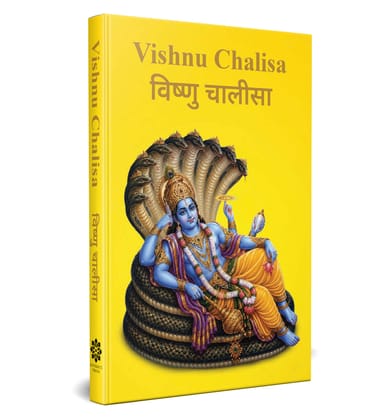
₹145₹195 ( 26% OFF )
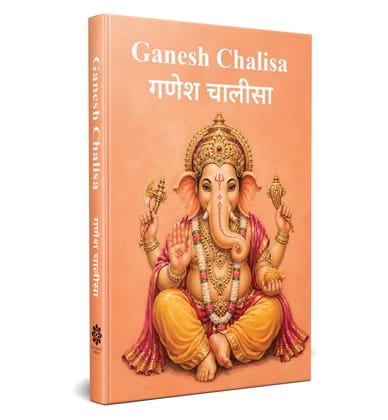
₹145₹195 ( 26% OFF )

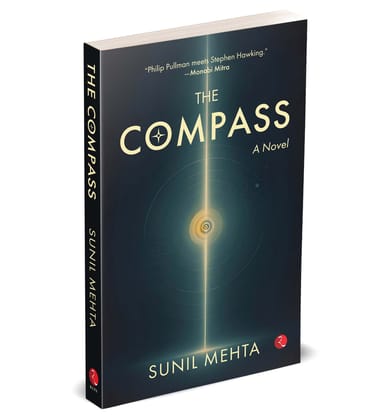
₹631₹895 ( 29% OFF )
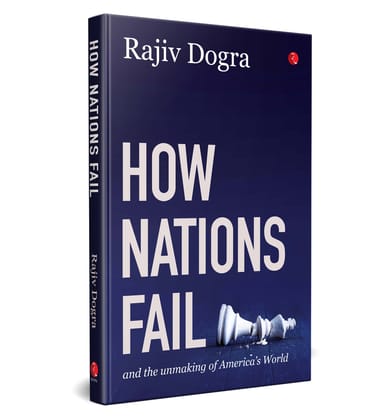
₹631₹895 ( 29% OFF )

₹114₹150 ( 24% OFF )

₹145₹195 ( 26% OFF )

₹287₹399 ( 28% OFF )
