


 Contact Us
 Appliances
 Agri Inputs
 Auto Components & Accessories
 Beauty & Personal Care
 Electronics
 Fashion
 Grocery
 Gift Cards
 Home & kitchen
 Health & Wellness
 Vehicles & Automotives
 Books & Stationary
 Pet Care
 Toys & Games
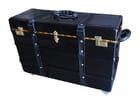
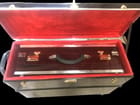
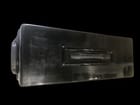
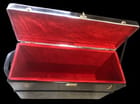
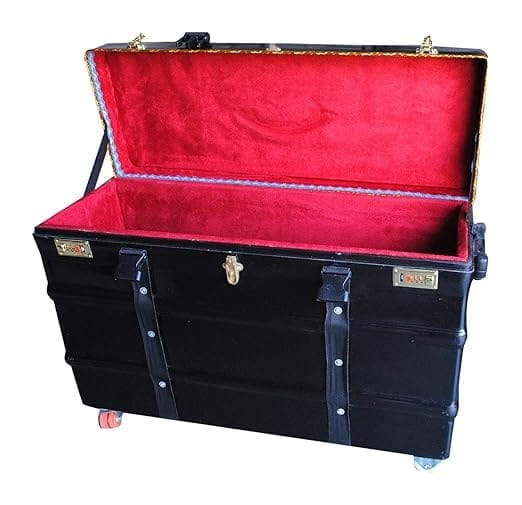
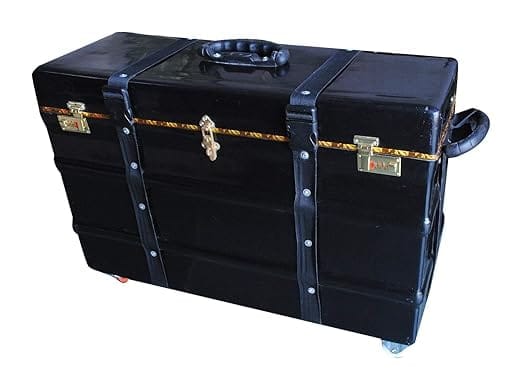
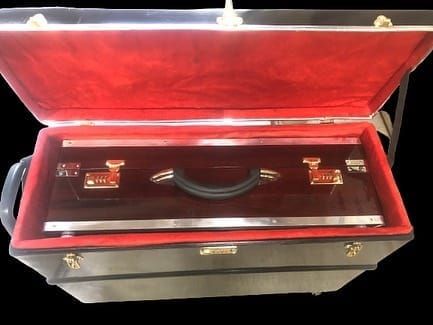
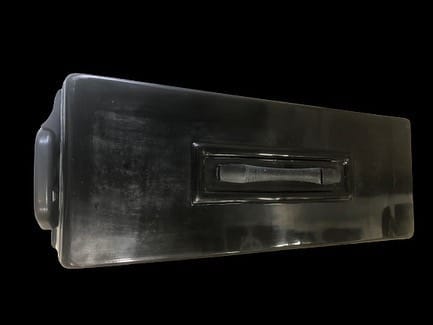
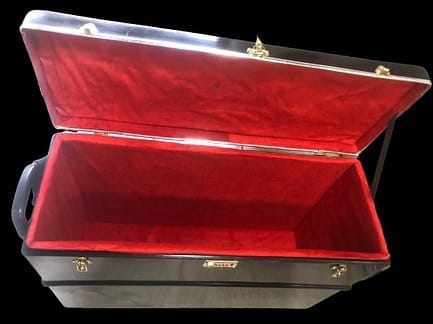
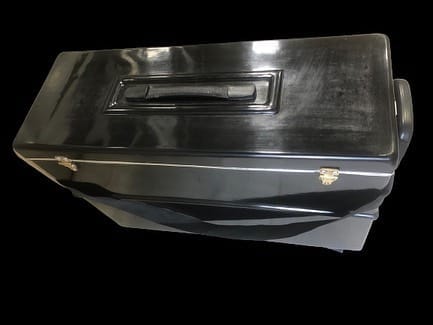
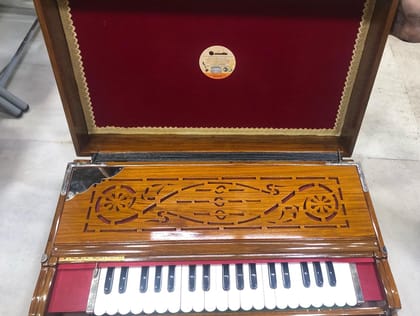
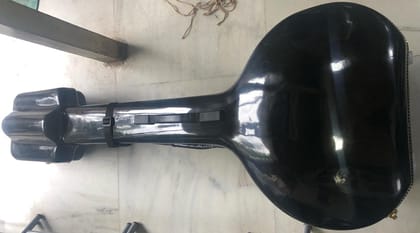
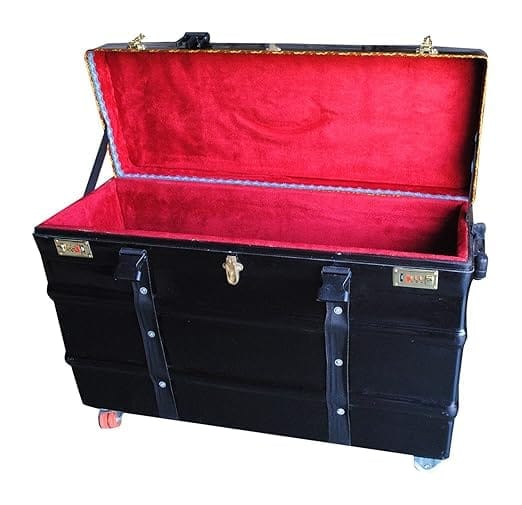
Harmonium Case
Special Features:
Professional Quality & Easy to Carry.
Delivery Time: 12-15 Working Days after Successful ...
Read MoreHarmonium Case
Special Features:
Professional Quality & Easy to Carry.
Delivery Time: 12-15 Working Days after Successful ...
Read More| Country of origin | India |
|---|---|
| Brand | Calutta Musical |
| Net Quantity | 1 piece |
| Manufacturer or packer name | Calcutta Musical Depot |
Harmonium Case
Special Features:
Professional Quality & Easy to Carry.
Delivery Time: 12-15 Working Days after Successful Payment.
For More information SMS 6000 Name Email Country and Send to +919830066661
N.B: All prices are inclusive of Shipping (International Air Mode)/ Packing/ Tax/ Insurance. No hidden cost. Read our Terms & Conditions, Privacy Policy and Shipping Policy.
In The Box: Harmonium Case
From where we get Harmonium- Small history below:
Our knowledge about the instrument is from Wikipedia. As per Wikipedia, we shared this small history to let our customers know about the Harmonium history. The 18th century saw the development of the European harmonium, inspired by the Chinese sheng, a gourd mouth organ. Furthermore, missionaries brought various types of European harmoniums and reed organs to India in the 19th century.
In addition, the Indian harmonium derives from reed organ (pump organ) designs developed in France. Initially, musicians designed these large instruments to be played while sitting on a chair, allowing them to pump the instrument using foot pedals. However, over time, Europeans created smaller harmoniums, such as the guide-chant, which included manually pumped bellows. Furthermore, Some harmoniums (sometimes named "portable" or "travel" models) also come with a built in wooden suitcase.
Indian craftsmen soon created a much smaller instrument based on European designs; specifically, they designed it to rest on the floor with bellows that the player pumped with the left hand. Additionally, they added other elements, such as drone stops (indeed, the use of drones is important in Indian music). Consequently, this instrument quickly became popular because it was lightweight and portable, reliable, easy to learn, and produced a rich sound. Furthermore, many consider Dwarkanath Ghose of the Dwarkin company to be one of the first inventors of the Indian style harmonium. The harmonium was widely accepted throughout Indian music in the late 19th century. This provides a basic history of the instrument.
| Country of origin | India |
|---|---|
| Material | wood |
| Brand | Calutta Musical |
| Common name | Case |
| Net Quantity | 1 piece |
| Package Dimension | 76L x 45W x 30H cm |
| Manufacturer or packer name | Calcutta Musical Depot |
| Manufacturer or packer address | 28C, Shyama Prasad Mukherjee Road, Kolkata-700025, WB, India |
| Manufacturing Date | 2025 |
| contact details consumer care | Calutta Musical Depot, [email protected] |