


 Contact Us
 Appliances
 Agri Inputs
 Auto Components & Accessories
 Beauty & Personal Care
 Electronics
 Fashion
 Grocery
 Gift Cards
 Home & kitchen
 Health & Wellness
 Vehicles & Automotives
 Books & Stationary
 Pet Care
 Toys & Games

In July 1765 Robert Clive, in a letter to Sir Francis Sykes, compared Gomorrah favourably to Calcutta, then capital of British India. He wrote: ‘I will pronounce Calcutta to be one of the most wicked places in the Universe.’
Drawing upon the le...
Popular Categories
Support
Language
Our apps
Doolally Sahib and the Black Zamindar
Key Attributes
| Country of origin | India |
|---|---|
| Brand | Bloomsbury |
| Net Quantity | 1 piece |
| Manufacturer or packer name | Bloomsbury India |
In July 1765 Robert Clive, in a letter to Sir Francis Sykes, compared Gomorrah favourably to Calcutta, then capital of British India. He wrote: ‘I will pronounce Calcutta to be one of the most wicked places in the Universe.’
Drawing upon the letters, memoirs and journals of traders, travellers, bureaucrats, officials, officers and the occasional bishop, Doolally Sahib and the Black Zamindar is a chronicle of racial relations between Indians and their last foreign invaders, sometimes infuriating but always compelling. A multitude of vignettes, combined with insight and analysis, reveal the deeply ingrained conviction of ‘white superiority’ that shaped this history. How deep this conviction was is best illustrated by the fact that the British abandoned a large community of their own children because they were born of Indian mothers. The British took pride in being outsiders, even as their exploitative revenue policy turned periodic drought and famine into horrific catastrophes, killing impoverished Indians in millions.
There were also marvellous and heart-warming exceptions in this extraordinary panorama, people who transcended racial prejudice and served as a reminder of what might have been had the British made India a second home and merged with its culture instead of treating it as a fortune-hunter’s turf.
The power was indisputable—the British had lost just one out of 18 wars between 1757 and 1857. Defeated repeatedly on the battlefield, Indians found innovative and amusing ways of giving expression to resentment in household skirmishes, social mores and economic subversion. When Indians tried to imitate the sahibs, they turned into caricatures; when they absorbed the best that the British brought with them, the confluence was positive and productive. But for the most part, subject and ruler lived parallel lives.
From the celebrated writer of the bestselling Gandhi’s Hinduism: the Struggle Against Jinnah’s Islam comes this extensively researched and utterly engrossing book, which is easy to pick up and difficult to put down.
Drawing upon the letters, memoirs and journals of traders, travellers, bureaucrats, officials, officers and the occasional bishop, Doolally Sahib and the Black Zamindar is a chronicle of racial relations between Indians and their last foreign invaders, sometimes infuriating but always compelling. A multitude of vignettes, combined with insight and analysis, reveal the deeply ingrained conviction of ‘white superiority’ that shaped this history. How deep this conviction was is best illustrated by the fact that the British abandoned a large community of their own children because they were born of Indian mothers. The British took pride in being outsiders, even as their exploitative revenue policy turned periodic drought and famine into horrific catastrophes, killing impoverished Indians in millions.
There were also marvellous and heart-warming exceptions in this extraordinary panorama, people who transcended racial prejudice and served as a reminder of what might have been had the British made India a second home and merged with its culture instead of treating it as a fortune-hunter’s turf.
The power was indisputable—the British had lost just one out of 18 wars between 1757 and 1857. Defeated repeatedly on the battlefield, Indians found innovative and amusing ways of giving expression to resentment in household skirmishes, social mores and economic subversion. When Indians tried to imitate the sahibs, they turned into caricatures; when they absorbed the best that the British brought with them, the confluence was positive and productive. But for the most part, subject and ruler lived parallel lives.
From the celebrated writer of the bestselling Gandhi’s Hinduism: the Struggle Against Jinnah’s Islam comes this extensively researched and utterly engrossing book, which is easy to pick up and difficult to put down.
| Country of origin | India |
|---|---|
| Brand | Bloomsbury |
| Common name | Books |
| Net Quantity | 1 piece |
| Manufacturer or packer name | Bloomsbury India |
| Manufacturer or packer address | 2nd Floor, Building no.4, C-6&7, No, DDA Complex, Pocket 6, Sector C, Vasant Kunj, New Delhi, Delhi 110263 |
| Manufacturing Date | As per product batch |
| ISBN | 9789356401921 |
Other Products from seller Rupa Publications India Pvt Ltd
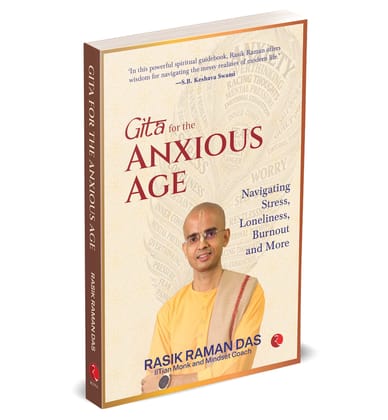
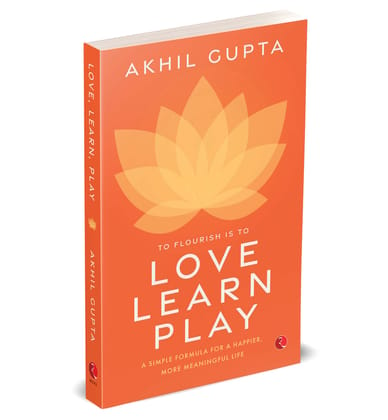
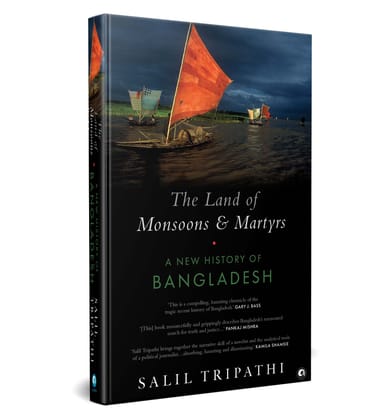
₹912₹1,299 ( 30% OFF )
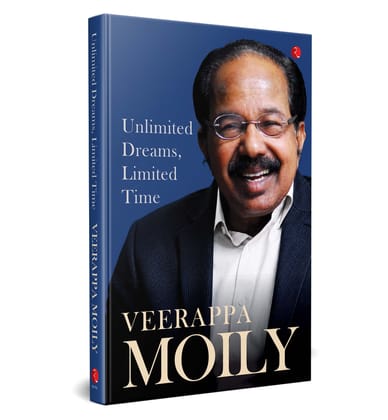
₹701₹995 ( 30% OFF )
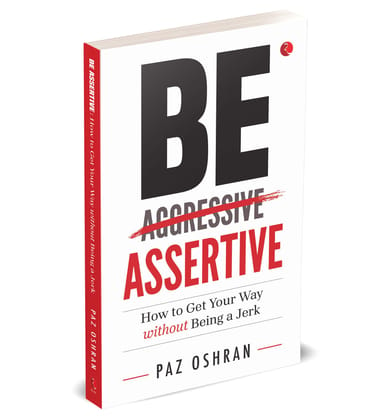
₹215₹295 ( 27% OFF )

₹495₹699 ( 29% OFF )
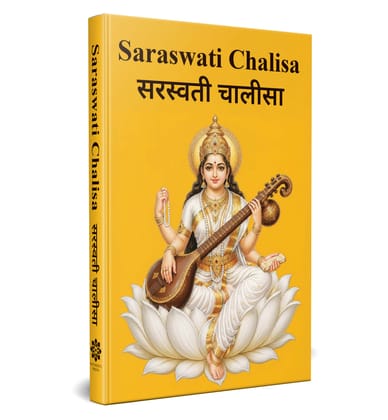
₹145₹195 ( 26% OFF )

₹145₹195 ( 26% OFF )

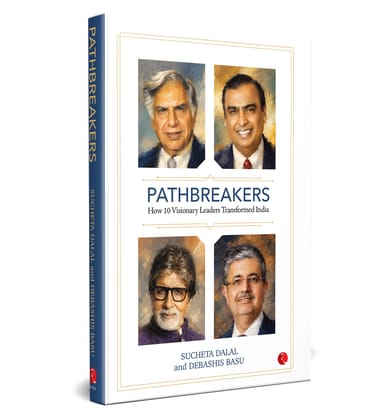
₹493₹695 ( 29% OFF )
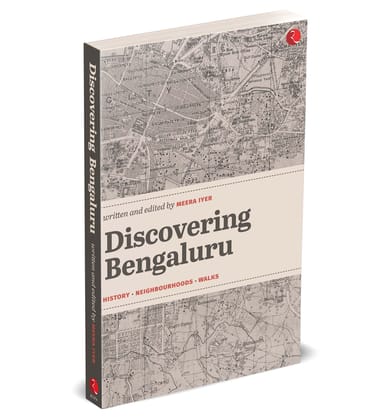
₹562₹795 ( 29% OFF )
₹423₹595 ( 29% OFF )

₹357₹499 ( 28% OFF )

₹114₹150 ( 24% OFF )