



 Contact Us
 Appliances
 Agri Inputs
 Auto Components & Accessories
 Beauty & Personal Care
 Electronics
 Fashion
 Grocery
 Gift Cards
 Home & kitchen
 Health & Wellness
 Vehicles & Automotives
 Books & Stationary
 Pet Care
 Toys & Games


There are moments in a soldier’s life that divide time into before and after. For young 2nd Lieutenant V. K. Singh such a moment arrived in the aftermath of the Bangladesh War of 1971, when he was sent to investigate what was vaguely called a ‘rac...
Read MorePopular Categories
Support
Language
Our apps
1971: the Genocidal War
Key Attributes
| Country of origin | India |
|---|---|
| Brand | Aleph Book Company |
| Net Quantity | 1 unit |
| Manufacturer or packer name | Aleph Book Company |
There are moments in a soldier’s life that divide time into before and after. For young 2nd Lieutenant V. K. Singh such a moment arrived in the aftermath of the Bangladesh War of 1971, when he was sent to investigate what was vaguely called a ‘race improvement camp’. There, he witnessed a scene for which no amount of military training could have prepared him.
The Bangladesh War is recounted well and often in terms of its operational brilliance leading to the surrender of Pakistan and the birth of a new nation. However, in these retellings, the reason that compelled India into war that year is entirely overlooked. In 1971: The Genocidal War, General V. K. Singh attempts to define the systematic massacre in East Pakistan as genocide, a term long denied to it.
Based on General V. K. Singh’s first-hand accounts, this book describes in detail the events that preceded the war: the hapless human tide of refugees that started flowing into India in the early months of 1971, the rise of fragile makeshift camps across the frontier and the diseases that followed, India gearing up for hostilities amid strained resources and immense psychological
pressure, and the creation of the Mukti Bahini that often worked in conjunction with the Indian Army.
The collapse of Pakistani forces was swift and surrender ceremonies were conducted on 17 December. Yet, the military victory did not erase the mass violence that had preceded it. Both factually meticulous and evocative, this book makes a poignant effort to restore dignity to a tragedy largely erased from history.
| Country of origin | India |
|---|---|
| Brand | Aleph Book Company |
| Common name | 1971: The Genocidal War |
| Net Quantity | 1 unit |
| Package Dimension | 7L x 4.48W x 0.78H cm |
| Manufacturer or packer name | Aleph Book Company |
| Manufacturer or packer address | Aleph Book Company |
| Manufacturing Date | 2026 |
| ISBN | 9789365231106 |
| contact details consumer care | Rupa Publications India Pvt Ltd, [email protected] |
Other Products from seller Rupa Publications India Pvt Ltd
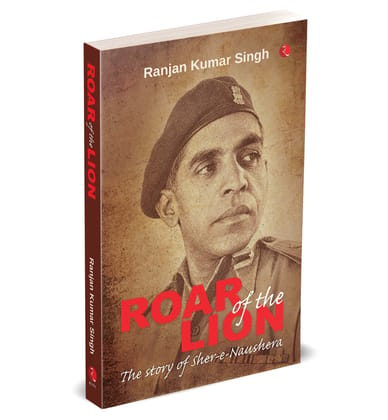
₹354₹495 ( 28% OFF )

₹284₹395 ( 28% OFF )
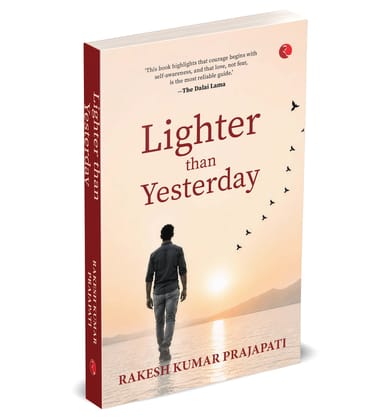
₹423₹595 ( 29% OFF )
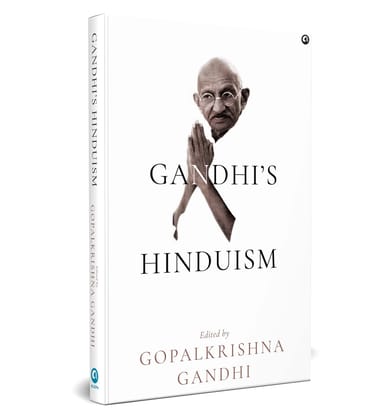
₹495₹699 ( 29% OFF )
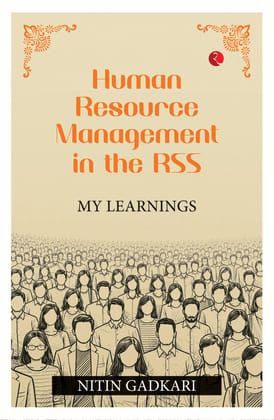
₹284₹395 ( 28% OFF )

₹215₹295 ( 27% OFF )
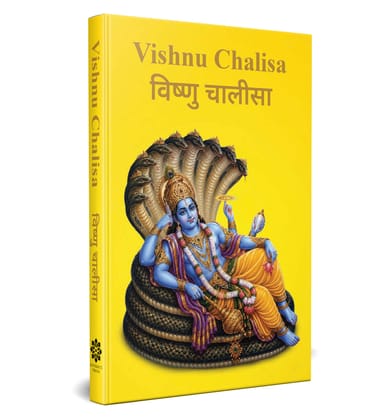
₹145₹195 ( 26% OFF )
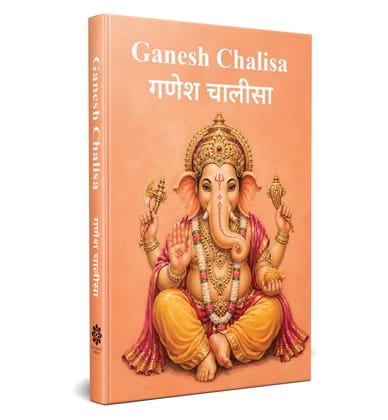
₹145₹195 ( 26% OFF )

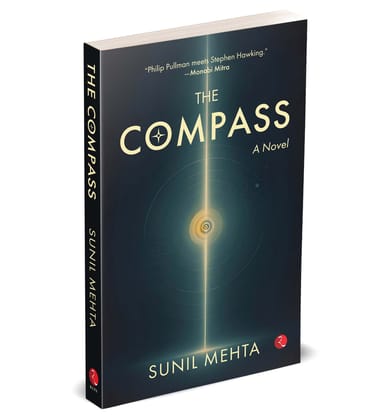
₹631₹895 ( 29% OFF )
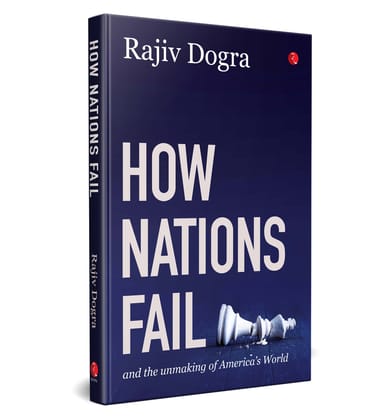
₹631₹895 ( 29% OFF )

₹114₹150 ( 24% OFF )


₹145₹195 ( 26% OFF )

₹287₹399 ( 28% OFF )
