

 Contact Us
 Appliances
 Agri Inputs
 Auto Components & Accessories
 Beauty & Personal Care
 Electronics
 Fashion
 Grocery
 Gift Cards
 Home & kitchen
 Health & Wellness
 Vehicles & Automotives
 Books & Stationary
 Pet Care
 Toys & Games



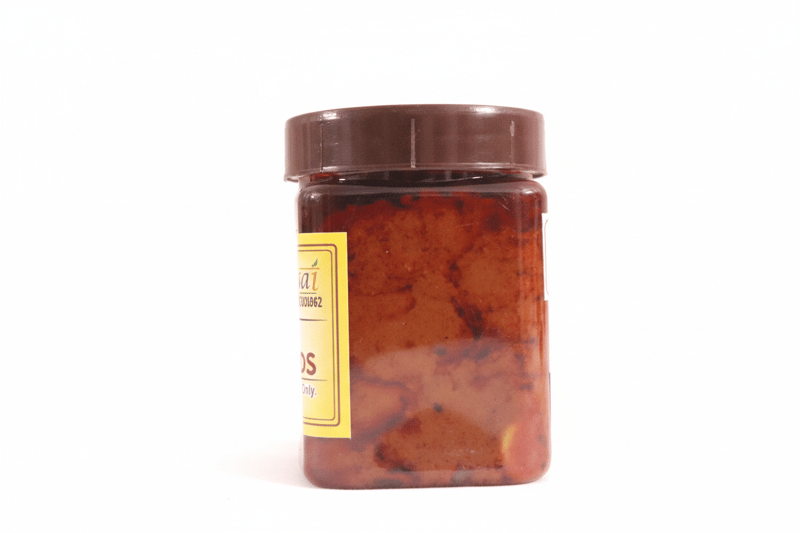

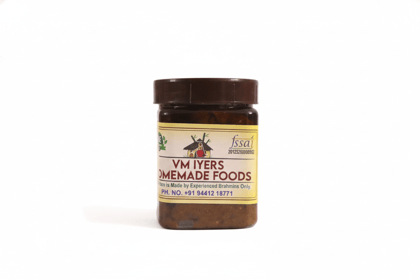
The labels on the jar describe the ingredients and the type of preparation:
- టమోటా తొక్కు (Tomato Thokku): This is the main product—a thick, concentrated tomato pickle or relish.
- తెల్ల గడ్డతో ...
The labels on the jar describe the ingredients and the type of preparation:
| Country of origin | India |
|---|---|
| Brand | Ap mepma-Tirupati |
| Net Quantity | 1 unit |
| Manufacturer or packer name | APMEPMA-Tirupathi |
The labels on the jar describe the ingredients and the type of preparation:
Appearance & Packaging
Common Uses
Tomato Thokku like this is incredibly versatile and is commonly served with:
| Country of origin | India |
|---|---|
| Brand | Ap mepma-Tirupati |
| Net Quantity | 1 unit |
| Additive info | Antioxidants: High levels of lycopene, which helps fight free radicals. Vitamins & Minerals: Rich in Vitamin C, Vitamin A, potassium, phosphorus, and iron. Spices: Contains anti-inflammatory properties from spices like fenugreek and mustard. Base Ingredients: Typically made with tomatoes, sesame or gingelly oil, salt, and spices. Nutritional Profile Insights Calories: Generally low per serving (approx. 20–40 per tablespoon, though commercial brands may vary). Macronutrients: Low in protein and fat, mostly carbohydrates from tomatoes, but fat content increases based on oil usage. Health Focus: Good for heart health, immunity, and digestion due to spices and nutrients. Things to Consider Sodium & Oil: Often high in salt (for preservation) and oil. Acidity: The citric and malic acid in tomatoes may trigger issues like GERD or IBS in sensitive individuals. Variations: Homemade versions allow control over oil and salt, while commercial ones may have preservatives. |
| Package Dimension | 8L x 9W x 8H cm |
| Food type | veg |
| Manufacturer or packer name | APMEPMA-Tirupathi |
| Manufacturer or packer address | CLC CENTRE NEAR MRO OFFICE, BESIDE AIR BYPASS ROAD,TIRUPATI |
| Ingredients | Tomatoes: Ripe, red tomatoes are essential for pulp and tanginess; "country tomatoes" (naatu thakkali) are often preferred for extra sourness. Oil: Gingelly oil (sesame oil) is traditionally used and crucial for flavor and shelf life. Tamarind: A small amount is added to deepen the tangy flavor. Spices & Seasoning: Red chilli powder (often a mix of Kashmiri for color and regular for heat). Turmeric powder. Mustard seeds (for tempering). Asafoetida (hing). Fenugreek seeds (methi) or roasted fenugreek powder. Salt. Garlic: Often added for a robust flavor, though it can be skipped. Jaggery: A small amount is frequently added to balance the sourness. Optional Add-ins & Variations Curry leaves: Commonly used in tempering for aroma. Urad dal & Chana dal: Sometimes added in tempering for crunch. Dry red chilies: Added to the tempering. |
| Nutritional information | Antioxidants: High levels of lycopene, which helps fight free radicals. Vitamins & Minerals: Rich in Vitamin C, Vitamin A, potassium, phosphorus, and iron. Spices: Contains anti-inflammatory properties from spices like fenugreek and mustard. Base Ingredients: Typically made with tomatoes, sesame or gingelly oil, salt, and spices. Nutritional Profile Insights Calories: Generally low per serving (approx. 20–40 per tablespoon, though commercial brands may vary). Macronutrients: Low in protein and fat, mostly carbohydrates from tomatoes, but fat content increases based on oil usage. Health Focus: Good for heart health, immunity, and digestion due to spices and nutrients. Things to Consider Sodium & Oil: Often high in salt (for preservation) and oil. Acidity: The citric and malic acid in tomatoes may trigger issues like GERD or IBS in sensitive individuals. Variations: Homemade versions allow control over oil and salt, while commercial ones may have preservatives. |
| contact details consumer care | APMEPMA-Tirupathi, [email protected] |