



 Appliances
 Agri Inputs
 Auto Components & Accessories
 Beauty & Personal Care
 Electronics
 Fashion
 Grocery
 Gift Cards
 Home & kitchen
 Health & Wellness
 Vehicles & Automotives
 Books & Stationary
 Pet Care
 Toys & Games
 Contact Us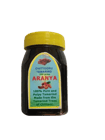
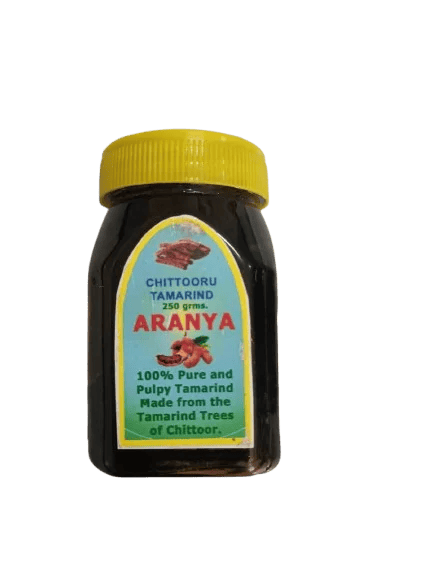
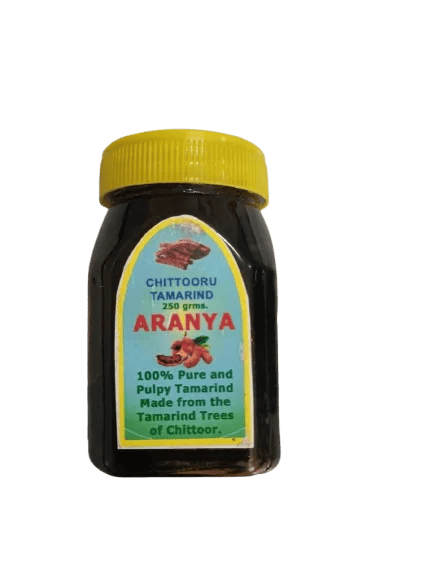
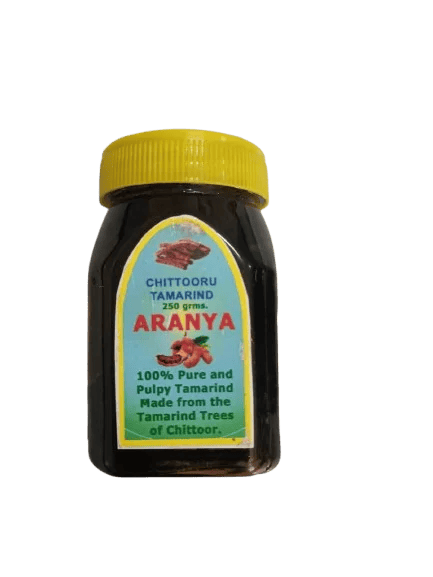
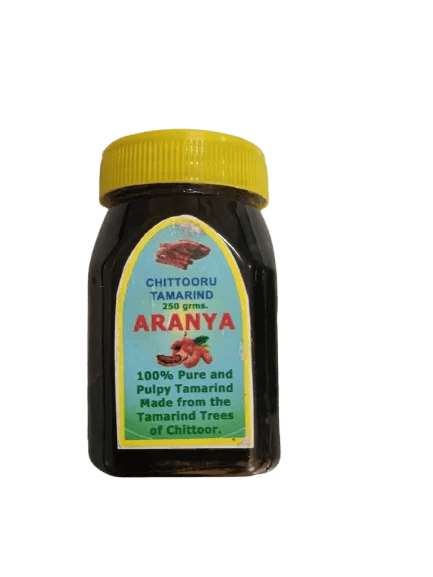
Option 1 Focus on Convenience Readytouse tamarind paste. Tangy, delicious, saves time. Perfect for curries, chutneys, more. 250g of flavor Option 2 Focus on Flavor Authentic tamarind flavor, no soaking required. Elevate curries, sauces, drinks. 25...
Read MorePopular Categories
Support
Language
Our apps
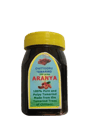
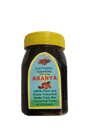
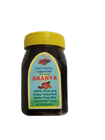
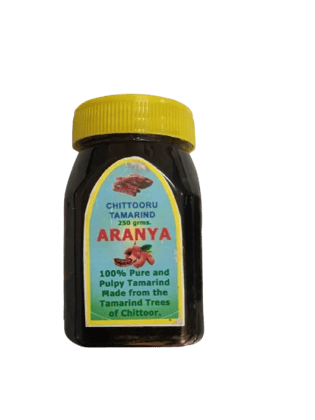
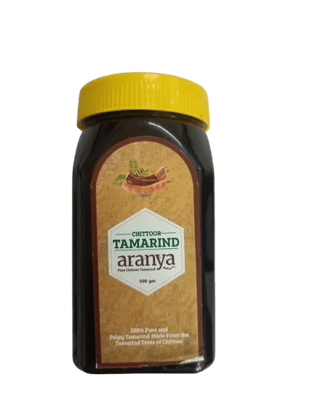
Tamarind Paste 250g
Option 1 Focus on Convenience Readytouse tamarind paste. Tangy, delicious, saves time. Perfect for curries, chutneys, more. 250g of flavor Option 2 Focus on Flavor Authentic tamarind flavor, no soaking required. Elevate curries, sauces, drinks. 250g of tangy goodness. Option 3 Focus on Versatility Add a zesty kick to any dish Tamarind paste for curries, snacks, desserts. Convenient 250g pack. These descriptions all fit within the 120character limit including spaces, highlight key featuresbenefits, and use compelling language. They also incorporate relevant keywords for SEO.
| Country of origin | India |
|---|---|
| brand | CHITTOOR TAMARIND ARANYA |
| additives info | Tamarind paste is a commonly used ingredient in many cuisines, especially in South Asian, Southeast Asian, and Latin American cooking. It is made by extracting the pulp from tamarind pods, which are the fruit of the tamarind tree, and then concentrating that pulp into a paste-like consistency. In its pure form, tamarind paste does not contain any additives. However, when tamarind paste is commercially prepared and sold, it may contain a variety of additives for preservation, flavor enhancement, or texture improvement. Common Additives in Tamarind Paste: 1. Citric Acid: Often used as a preservative and to enhance the sourness of the tamarind paste, as tamarind itself is quite tangy. 2. Salt: Some brands add salt for flavoring and preservation, as it helps prevent spoilage. 3. Sugar: Some tamarind pastes, especially those used in sweet and sour recipes, might have sugar or high fructose corn syrup added to balance the tartness of the tamarind. 4. Preservatives: o Sodium Benzoate or Potassium Sorbate might be added to extend shelf life. o Sodium Metabisulfite may also be used in some cases as a preservative. 5. Spices: Some commercial tamarind pastes may include additional spices or flavorings, such as chili powder, ginger, garlic, or other seasoning blends to enhance the taste. 6. Water: Water is often added to adjust the consistency and make the paste easier to use in recipes. When buying tamarind paste, it's a good idea to check the ingredient list if you prefer a pure, additive-free version. Many organic or specialty brands offer tamarind paste that contains just tamarind pulp with no additional additives. If you’re making tamarind paste at home, the process is usually as simple as soaking tamarind pulp in water and straining out the seeds and fibers, leaving just the tangy pulp. |
| nutritional info | Tamarind processed paste, often used in cooking and as a flavoring agent, offers a distinct tangy and slightly sweet flavor. Here's a general breakdown of the nutritional information for 100 grams of tamarind paste: Tamarind Paste (per 100g) • Calories: 239 kcal • Protein: 2.8 g • Fat: 0.6 g o Saturated Fat: 0.2 g • Carbohydrates: 62.5 g o Fiber: 5.1 g o Sugars: 48.0 g • Vitamins and Minerals: o Vitamin C: 3.5 mg (about 6% of the daily value) o Vitamin B6: 0.1 mg (about 5% of the daily value) o Folate: 14 mcg (about 3% of the daily value) o Calcium: 74 mg (about 7% of the daily value) o Iron: 2.8 mg (about 16% of the daily value) o Magnesium: 92 mg (about 23% of the daily value) o Potassium: 628 mg (about 18% of the daily value) Health Benefits: 1. High in Fiber: The paste contains a good amount of fiber, which supports digestive health. 2. Rich in Antioxidants: Tamarind has compounds like polyphenols that can help combat oxidative stress. 3. Good Source of Minerals: It offers a decent amount of magnesium, iron, and calcium, which are important for overall health. Keep in mind that the exact values may vary based on the brand or specific tamarind product you use, especially if it's mixed with other ingredients like sugar or salt. Always check the label for precise information. |
| other fssai license no | 10123025000127 |
| importer fssai license no | 10123025000127 |
| brand owner fssai license no | 10123025000127 |
| return window | 5 days |
| time to ship | 5 days |
| contact details consumer care | CHITTOOR PARASAPARA SAHAYAKA SAHAKARA ZILLA SAMAKHYA LIMITED,[email protected],9391006854 |
| manufacturer or packer name | Chittoor Tamarind Unit Kurabalakota |
| manufacturer or packer address | Zilla Samakya, Reddigunta, Chittoor |
| common or generic name of commodity | Tamarind Paste |
| month year of manufacture packing import | 02/2025 |
| imported product country of origin | IN |
| nutritional info | Tamarind processed paste, often used in cooking and as a flavoring agent, offers a distinct tangy and slightly sweet flavor. Here's a general breakdown of the nutritional information for 100 grams of tamarind paste: Tamarind Paste (per 100g) • Calories: 239 kcal • Protein: 2.8 g • Fat: 0.6 g o Saturated Fat: 0.2 g • Carbohydrates: 62.5 g o Fiber: 5.1 g o Sugars: 48.0 g • Vitamins and Minerals: o Vitamin C: 3.5 mg (about 6% of the daily value) o Vitamin B6: 0.1 mg (about 5% of the daily value) o Folate: 14 mcg (about 3% of the daily value) o Calcium: 74 mg (about 7% of the daily value) o Iron: 2.8 mg (about 16% of the daily value) o Magnesium: 92 mg (about 23% of the daily value) o Potassium: 628 mg (about 18% of the daily value) Health Benefits: 1. High in Fiber: The paste contains a good amount of fiber, which supports digestive health. 2. Rich in Antioxidants: Tamarind has compounds like polyphenols that can help combat oxidative stress. 3. Good Source of Minerals: It offers a decent amount of magnesium, iron, and calcium, which are important for overall health. Keep in mind that the exact values may vary based on the brand or specific tamarind product you use, especially if it's mixed with other ingredients like sugar or salt. Always check the label for precise information. |
| additives info | Tamarind paste is a commonly used ingredient in many cuisines, especially in South Asian, Southeast Asian, and Latin American cooking. It is made by extracting the pulp from tamarind pods, which are the fruit of the tamarind tree, and then concentrating that pulp into a paste-like consistency. In its pure form, tamarind paste does not contain any additives. However, when tamarind paste is commercially prepared and sold, it may contain a variety of additives for preservation, flavor enhancement, or texture improvement. Common Additives in Tamarind Paste: 1. Citric Acid: Often used as a preservative and to enhance the sourness of the tamarind paste, as tamarind itself is quite tangy. 2. Salt: Some brands add salt for flavoring and preservation, as it helps prevent spoilage. 3. Sugar: Some tamarind pastes, especially those used in sweet and sour recipes, might have sugar or high fructose corn syrup added to balance the tartness of the tamarind. 4. Preservatives: o Sodium Benzoate or Potassium Sorbate might be added to extend shelf life. o Sodium Metabisulfite may also be used in some cases as a preservative. 5. Spices: Some commercial tamarind pastes may include additional spices or flavorings, such as chili powder, ginger, garlic, or other seasoning blends to enhance the taste. 6. Water: Water is often added to adjust the consistency and make the paste easier to use in recipes. When buying tamarind paste, it's a good idea to check the ingredient list if you prefer a pure, additive-free version. Many organic or specialty brands offer tamarind paste that contains just tamarind pulp with no additional additives. If you’re making tamarind paste at home, the process is usually as simple as soaking tamarind pulp in water and straining out the seeds and fibers, leaving just the tangy pulp. |
| brand owner FSSAI license no | 10123025000127 |
| other FSSAI license no | 10123025000127 |
| importer FSSAI license no | 10123025000127 |
| imported product country of origin | IN |
Other Products from seller CHITTOOR PARASAPARA SAHAYAKA SAHAKARA ZILLA SAMAKHYA LIMITED
Check Estimated Delivery Date

Sold By: CHITTOOR PARASAPARA SAHAYAKA SAHAKARA ZILLA SAMAKHYA LIMITED
Vendor Source:Sabhyasha Retail Tech Private Limited