



 Appliances
 Agri Inputs
 Auto Components & Accessories
 Beauty & Personal Care
 Electronics
 Fashion
 Grocery
 Gift Cards
 Home & kitchen
 Health & Wellness
 Vehicles & Automotives
 Books & Stationary
 Pet Care
 Toys & Games
 Contact Us

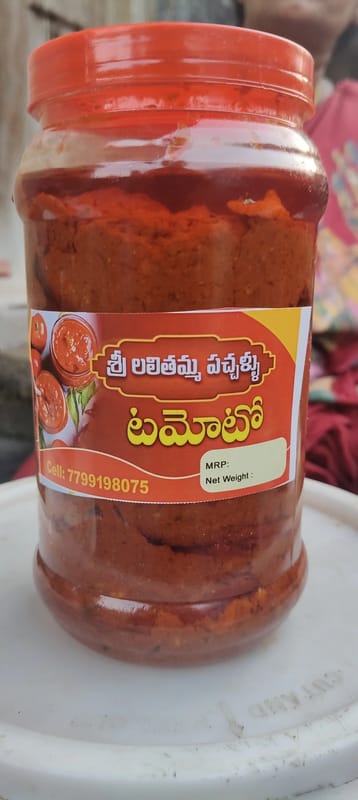
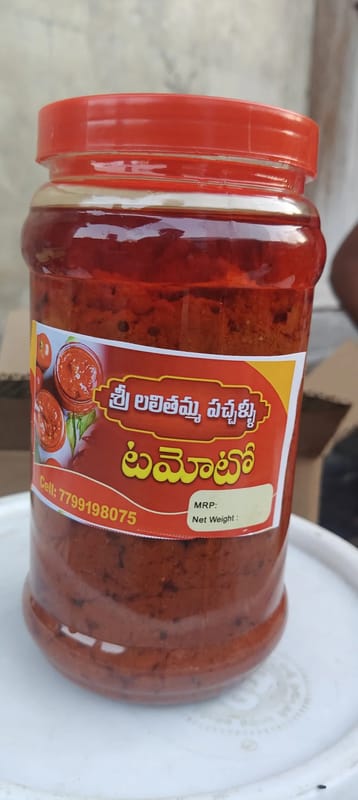
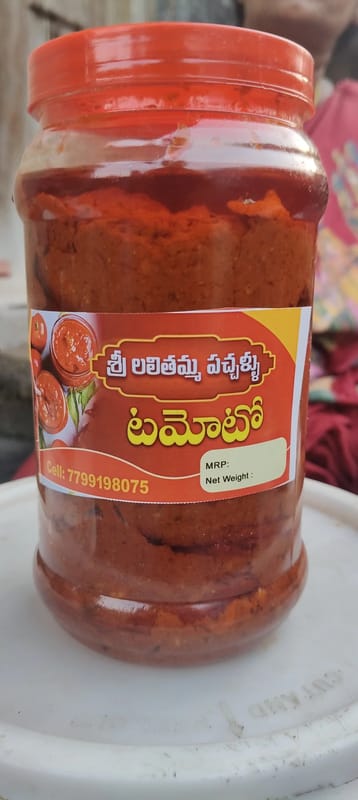
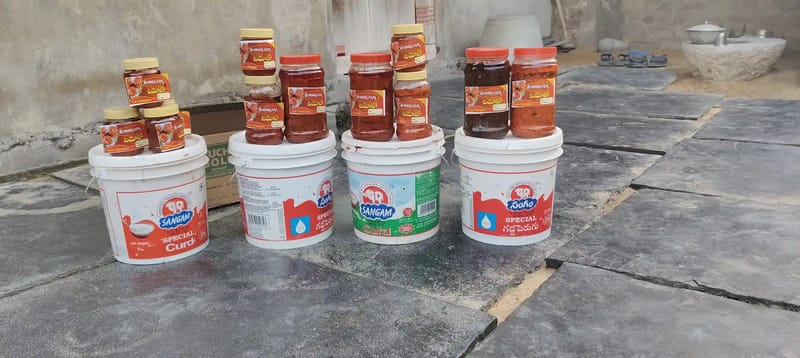
Savor authentic South Indian flavor Sri Lalithamma Pickles homemade taste, premium ingredients. Perfect with rice, dosa, idli. Spice up your meals IndianPickles HomemadeTaste
Popular Categories
Support
Language
Our apps
Savor authentic South Indian flavor Sri Lalithamma Pickles homemade taste, premium ingredients. Perfect with rice, dosa, idli. Spice up your meals IndianPickles HomemadeTaste
| Country of origin | India |
|---|---|
| additives info | P>PROBLEM TO BE SOLVED: To provide an additive for a pickle which easily maintains the flavor of the pickle, and to provide a method for preserving a pickle. <P>SOLUTION: The additive for the pickle contains an extract of Macaranga tanarius as an active ingredient. The additive for the pickle preferably further contains a catechin as an active ingredient. The method for preserving the pickle includes mixing the additive for the pickle, which contains an extract of Macaranga tanarius as an active ingredient, with a pickle or a raw material therefor and then using the mixture. |
| nutritional info | Like most vegetables, pickles are almost all water and have very little fat or protein. They also have a high concentration of vitamins because the salty brine draws out the water from the pickles. Their nutritional values vary depending on their type. For example, a whole dill pickle has about: 20% of the daily recommended amount of vitamin K, which helps your blood clot and keeps your bones strong 6% of the calcium adults need for strong bones and teeth and healthy nerves 2% of your daily requirement of potassium, which helps your nerves work right 3%-4% of your daily requirement of vitamin C, an antioxidant that protects your cells from damage 1% of the daily value of vitamin A, important for your vision, immune system, and a healthy pregnancy Pickles also contain phosphorous and folate. Cucumber pickles are a great source of the antioxidant beta-carotene. Beta-carotene has been linked to a lower risk of a number of chronic conditions, including age-related macular degeneration and type 2 diabetes. If you prefer a smaller serving of pickles, 1/2 cup of sliced sweet bread and butter pickles has: More than 3% of your daily value of vitamin A About 1/3 of your daily requirement of vitamin K About 4% of the calcium for the day About 2% of your daily requirement of potassium Fermented Pickles Fermented foods like kefir, kimchi, and miso can help keep your gut healthy. But most pickles on grocery shelves are not fermented, wherein yeast, bacteria, and other microbes are used to preserve foods. Instead, pickles often get their sharp tang from soaking in a brine of vinegar and spices. For fermented pickles, try a health food store or make them yourself. Look for labels that say "naturally fermented." When you open the jar, you should see bubbles on the surface, a sign of live bacteria inside. Health Benefits of Pickles Help in digestion. Fermented pickles are full of good bacteria called probiotics, which are important for gut health. Fight diseases. Cucumbers are high in an antioxidant called beta-carotene, which your body turns into vitamin A. Carotene is a powerful compound that's been shown to help lower your chances of dying of heart disease, stroke, cancer, respiratory diseases, and other conditions. May ease muscle cramps. Some athletes swear by pickle juice after exercise to quickly replace lost electrolytes. One study shows that pickle juice may work slightly better than water to relieve muscle cramps. But the evidence is weak. Curb sugar spikes. Pickle juice, specifically the vinegar in it, may help keep your blood sugar levels even. That may benefit people who are at risk of diabetes. Reduce cell damage. Antioxidants in pickles have a number of benefits. The way they reduce damage-causing free radicals appears to have minor effects on general health. Studies show that regularly eating foods with beta-carotene may help improve thinking in people over age 65. These same studies show that eating diets high in antioxidants is more effective than simply taking antioxidant supplements. This makes pickles an excellent resource for people looking to get more antioxidants naturally. Aid weight loss. Cucumber pickles are a low-calorie food. Because of their high water content, they may help you feel fuller longer. Pickles also contain vinegar, which has been linked to reduced appetite. Vinegar may slow the rate at which your digestive system absorbs carbohydrates. This can also help reduce insulin spikes, keeping your energy levels stable and reducing the insulin drop that triggers hunger. Are Pickles Bad for You? A big drawback with pickles is that they're brimming with salt. Just one large dill pickle has more than 2/3 of the ideal amount of sodium an average adult should have for the whole day. Too much salt in your diet can raise your blood pressure, which in turn ups your chances of heart attack, stroke, diabetes, and kidney disease. Sodium also can leach calcium from your bones. This can weaken your bones and raises your risk of a broken bone. Blood pressure concerns Pickles are very high in sodium because it's an important part of the brining process. Consuming too much salt in your daily diet can contribute to high blood pressure. Anyone who is on blood pressure medication or looking to reduce their sodium intake should eat pickles in moderation or look for low sodium options. Liver and kidney stress Eating too much sodium can cause your kidneys and liver to work harder. Also, the high blood pressure that often follows diets high in sodium puts even more stress on these organs. As a result, eating too many pickles may be risky for anyone with liver disease or kidney conditions. Higher risk of gastric cancer Diets high in sodium may increase your risk of gastric cancer. High salt intake may damage your stomach directly, leading to cancer, or it may lead to infections and ulcers that eventually become cancerous. Increased risk of osteoporosis Diets high in sodium may be connected to an increased risk of osteoporosis. If you are not getting enough calcium, high amounts of sodium can further leach the mineral out of your bones, leading to weaker bones and a risk of osteoporosis. How to Pickle at Home There are two main ways to make pickles yourself. One way is to brine them in vinegar. The other way is to ferment the cucumbers with just salt and water. No matter the method you use, follow these general tips: Pick cucumbers that are fresh, firm, and damage-free. Use canning or pickling salt. Other salts cloud up the brine. Add dill seed, horseradish, mustard seed, garlic, and any other spices. Follow boiling and canning instructions carefully to prevent bad bacteria from growing inside. Keep pickles in sealed jars for several weeks before you eat them. Share Print Save View privacy policy, copyright and trust info Next Article Health Benefits of Lion's Mane Mushrooms More on Food & Recipes photo of healthy veggie plate Ingredients Guide: Facts & Cooking Tips Discover Food Sources for Vitamins and Minerals 14 Best Foods to Keep in Your Fridge Recommended photo of poached egg on toast FEATURED Explore More On Nutrition and Healthy Eating Hydrogen Water Health Benefits Medically reviewed by Shruthi N on June 26, 2024 Written by Shawna Seed Research into the health benefits of hydrogen water is limited, and more studies are needed to confirm the findings. Learn more about the potential benefits of hydrogen water. View now The Health Benefits of Castor Oil Medically reviewed by Zilpah Sheikh on September 19, 2023 Written by WebMD Editorial Contributor Castor oil is a thick, odorless oil made from the seeds of the castor plant, which dates to ancient Egypt, where it was used in medicinal and beauty treatments View now Related Links Food & Recipes News Food & Recipes Reference Food & Recipes Slideshows Food & Recipes Quizzes Food & Recipes Videos Food & Recipes Recipes |
| other fssai license no | 30250302119349364 |
| importer fssai license no | 30250302119349364 |
| brand owner fssai license no | 30250302119349364 |
| return window | 24 hours |
| time to ship | 24 hours |
| available on cod | yes |
| contact details consumer care | PASUPULETI VENKATESWARAMMA,[email protected],7799198075 |
| manufacturer or packer name | P VENKATESWARAMMA |
| manufacturer or packer address | SOPIRALA CHINAGANJAM |
| common or generic name of commodity | PICKLES |
| month year of manufacture packing import | 1/03/25 |
| imported product country of origin | IN |
| nutritional info | Like most vegetables, pickles are almost all water and have very little fat or protein. They also have a high concentration of vitamins because the salty brine draws out the water from the pickles. Their nutritional values vary depending on their type. For example, a whole dill pickle has about: 20% of the daily recommended amount of vitamin K, which helps your blood clot and keeps your bones strong 6% of the calcium adults need for strong bones and teeth and healthy nerves 2% of your daily requirement of potassium, which helps your nerves work right 3%-4% of your daily requirement of vitamin C, an antioxidant that protects your cells from damage 1% of the daily value of vitamin A, important for your vision, immune system, and a healthy pregnancy Pickles also contain phosphorous and folate. Cucumber pickles are a great source of the antioxidant beta-carotene. Beta-carotene has been linked to a lower risk of a number of chronic conditions, including age-related macular degeneration and type 2 diabetes. If you prefer a smaller serving of pickles, 1/2 cup of sliced sweet bread and butter pickles has: More than 3% of your daily value of vitamin A About 1/3 of your daily requirement of vitamin K About 4% of the calcium for the day About 2% of your daily requirement of potassium Fermented Pickles Fermented foods like kefir, kimchi, and miso can help keep your gut healthy. But most pickles on grocery shelves are not fermented, wherein yeast, bacteria, and other microbes are used to preserve foods. Instead, pickles often get their sharp tang from soaking in a brine of vinegar and spices. For fermented pickles, try a health food store or make them yourself. Look for labels that say "naturally fermented." When you open the jar, you should see bubbles on the surface, a sign of live bacteria inside. Health Benefits of Pickles Help in digestion. Fermented pickles are full of good bacteria called probiotics, which are important for gut health. Fight diseases. Cucumbers are high in an antioxidant called beta-carotene, which your body turns into vitamin A. Carotene is a powerful compound that's been shown to help lower your chances of dying of heart disease, stroke, cancer, respiratory diseases, and other conditions. May ease muscle cramps. Some athletes swear by pickle juice after exercise to quickly replace lost electrolytes. One study shows that pickle juice may work slightly better than water to relieve muscle cramps. But the evidence is weak. Curb sugar spikes. Pickle juice, specifically the vinegar in it, may help keep your blood sugar levels even. That may benefit people who are at risk of diabetes. Reduce cell damage. Antioxidants in pickles have a number of benefits. The way they reduce damage-causing free radicals appears to have minor effects on general health. Studies show that regularly eating foods with beta-carotene may help improve thinking in people over age 65. These same studies show that eating diets high in antioxidants is more effective than simply taking antioxidant supplements. This makes pickles an excellent resource for people looking to get more antioxidants naturally. Aid weight loss. Cucumber pickles are a low-calorie food. Because of their high water content, they may help you feel fuller longer. Pickles also contain vinegar, which has been linked to reduced appetite. Vinegar may slow the rate at which your digestive system absorbs carbohydrates. This can also help reduce insulin spikes, keeping your energy levels stable and reducing the insulin drop that triggers hunger. Are Pickles Bad for You? A big drawback with pickles is that they're brimming with salt. Just one large dill pickle has more than 2/3 of the ideal amount of sodium an average adult should have for the whole day. Too much salt in your diet can raise your blood pressure, which in turn ups your chances of heart attack, stroke, diabetes, and kidney disease. Sodium also can leach calcium from your bones. This can weaken your bones and raises your risk of a broken bone. Blood pressure concerns Pickles are very high in sodium because it's an important part of the brining process. Consuming too much salt in your daily diet can contribute to high blood pressure. Anyone who is on blood pressure medication or looking to reduce their sodium intake should eat pickles in moderation or look for low sodium options. Liver and kidney stress Eating too much sodium can cause your kidneys and liver to work harder. Also, the high blood pressure that often follows diets high in sodium puts even more stress on these organs. As a result, eating too many pickles may be risky for anyone with liver disease or kidney conditions. Higher risk of gastric cancer Diets high in sodium may increase your risk of gastric cancer. High salt intake may damage your stomach directly, leading to cancer, or it may lead to infections and ulcers that eventually become cancerous. Increased risk of osteoporosis Diets high in sodium may be connected to an increased risk of osteoporosis. If you are not getting enough calcium, high amounts of sodium can further leach the mineral out of your bones, leading to weaker bones and a risk of osteoporosis. How to Pickle at Home There are two main ways to make pickles yourself. One way is to brine them in vinegar. The other way is to ferment the cucumbers with just salt and water. No matter the method you use, follow these general tips: Pick cucumbers that are fresh, firm, and damage-free. Use canning or pickling salt. Other salts cloud up the brine. Add dill seed, horseradish, mustard seed, garlic, and any other spices. Follow boiling and canning instructions carefully to prevent bad bacteria from growing inside. Keep pickles in sealed jars for several weeks before you eat them. Share Print Save View privacy policy, copyright and trust info Next Article Health Benefits of Lion's Mane Mushrooms More on Food & Recipes photo of healthy veggie plate Ingredients Guide: Facts & Cooking Tips Discover Food Sources for Vitamins and Minerals 14 Best Foods to Keep in Your Fridge Recommended photo of poached egg on toast FEATURED Explore More On Nutrition and Healthy Eating Hydrogen Water Health Benefits Medically reviewed by Shruthi N on June 26, 2024 Written by Shawna Seed Research into the health benefits of hydrogen water is limited, and more studies are needed to confirm the findings. Learn more about the potential benefits of hydrogen water. View now The Health Benefits of Castor Oil Medically reviewed by Zilpah Sheikh on September 19, 2023 Written by WebMD Editorial Contributor Castor oil is a thick, odorless oil made from the seeds of the castor plant, which dates to ancient Egypt, where it was used in medicinal and beauty treatments View now Related Links Food & Recipes News Food & Recipes Reference Food & Recipes Slideshows Food & Recipes Quizzes Food & Recipes Videos Food & Recipes Recipes |
| additives info | P>PROBLEM TO BE SOLVED: To provide an additive for a pickle which easily maintains the flavor of the pickle, and to provide a method for preserving a pickle. <P>SOLUTION: The additive for the pickle contains an extract of Macaranga tanarius as an active ingredient. The additive for the pickle preferably further contains a catechin as an active ingredient. The method for preserving the pickle includes mixing the additive for the pickle, which contains an extract of Macaranga tanarius as an active ingredient, with a pickle or a raw material therefor and then using the mixture. |
| brand owner FSSAI license no | 30250302119349364 |
| other FSSAI license no | 30250302119349364 |
| importer FSSAI license no | 30250302119349364 |
| imported product country of origin | IN |
Other Product from seller SRI LALITHAMMA PACHALU
Check Estimated Delivery Date

Sold By: SRI LALITHAMMA PACHALU
Vendor Source:Sabhyasha Retail Tech Private Limited