Rupa Publications India Pvt LtdIts all about ushttps://www.mystore.in/s/62ea2c599d1398fa16dbae0a/g/6842b42df7cf66888db1ebdc/logo-480x480.jpg
Ansari Road, Darya Ganj110002New DelhiIN
Rupa Publications India Pvt Ltd
Ansari Road, Darya GanjNew Delhi, IN
+918010412412https://www.mystore.in/s/62ea2c599d1398fa16dbae0a/g/6842b42df7cf66888db1ebdc/logo-480x480.jpg"[email protected]
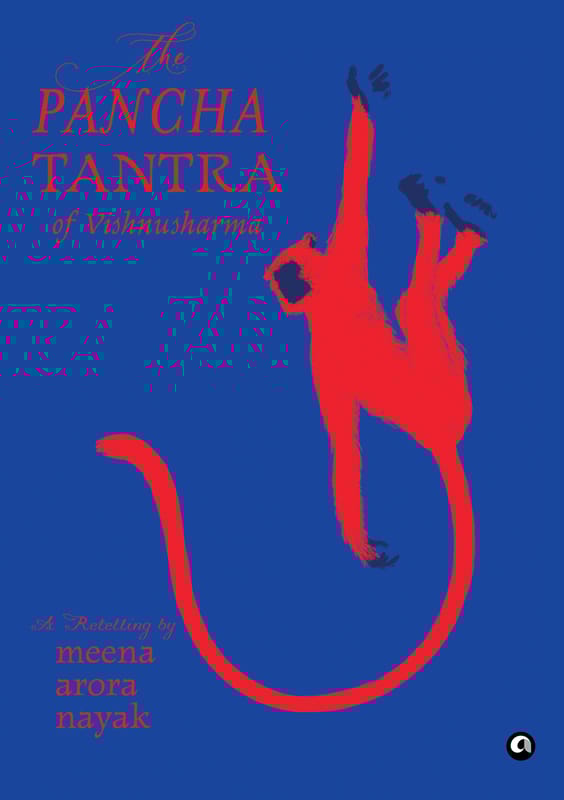
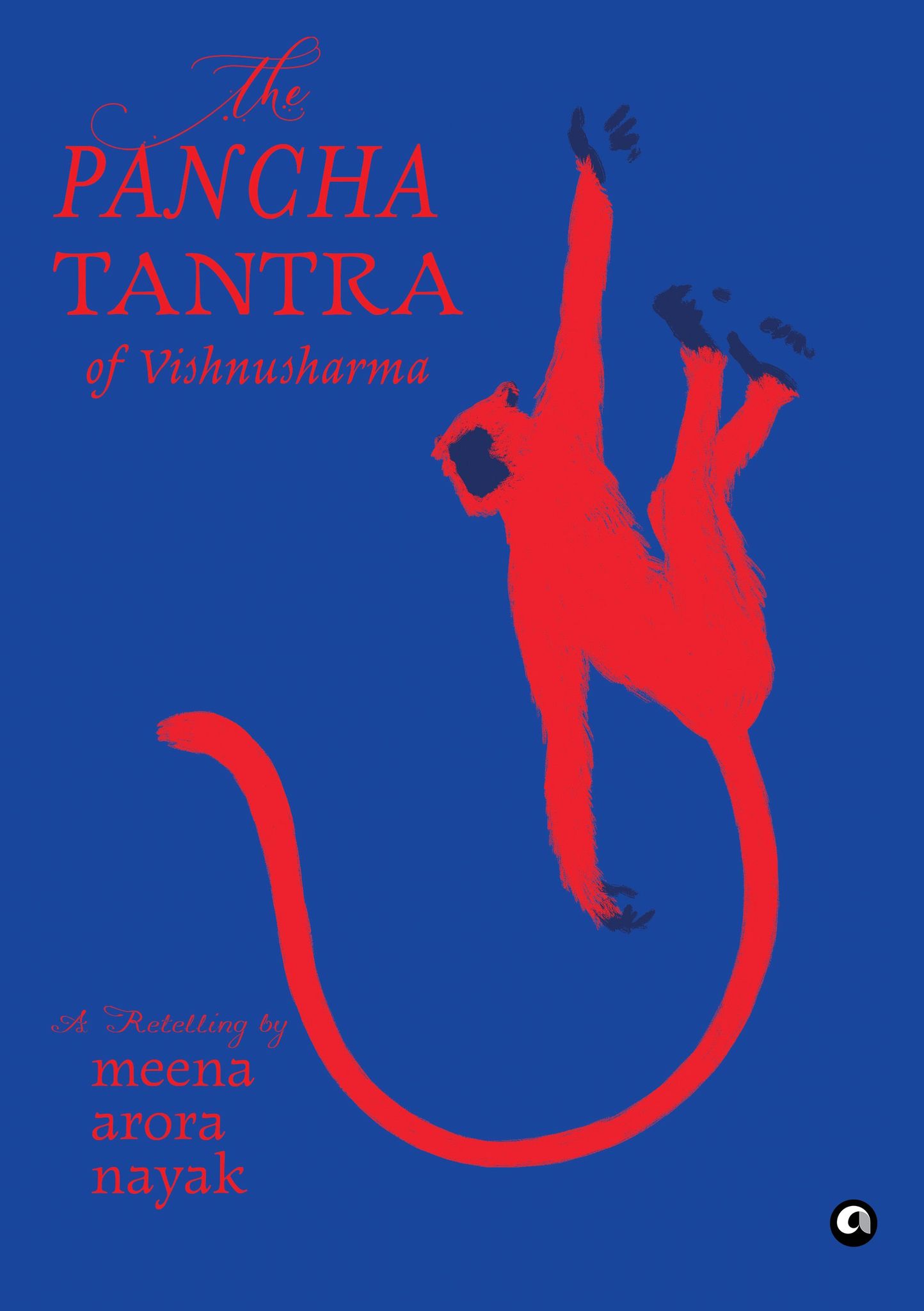
9789393852199685d19598fe14f9374e6acb1The Panchatantra of VishnusharmaAuthored in about 345–300 BCE by Vishnusharma, the Panchatantra hasong been considered one of India’s invaluable gifts
to the world. Its creation is the stuff ofegend: in an effort to expedite the education of his three unschooled sons, the wise King
Amarashakti of Mahilaropya sought out the octogenarian scholar Vishnusharma, who was known for his inventive teaching
methods. Vishnusharma not only accepted the task of educating the princes but also said that he would accomplish it in six
months. The Nitishastra he used to teach the princes was one he composed specifically for the purpose and this was called the
Panchatantra—five treatises.
‘Mitra Bheda’ (breach of friendship), theongest of the sections, is framed around the deep friendship between aion, Pingalaka,
and a bull, Sanjivaka, and narrates how they are turned against each other, raising the question: can two animals who are natural
enemies ever be friends? The second tantra, ‘Mitra Samprapti’ (acquisition of friends), relates how a crow, mouse, tortoise, and
deer become friends, and shows how friendship between the small and powerless is beneficial to all involved. ‘Kakolukiyam’ (of
crows and owls), the third tantra, is a narrative that draws from Kautilya’s six-fold state policy, which is woven into the tantra’s frame story that describes a vendetta between crows and owls. The fourth tantra, ‘Labdha Pranasham’ (loss of acquired gains), is
centred around the well-known tale of a crocodile’s treasured friendship with a monkey and how heoses it when his wife develops
a hankering for the monkey’s heart. ‘Aparikshita Karakam’ (impetuous actions), theast tantra, is unique for its focus on human
characters. The framing tale is about a barber who, under a misconception, assaults monks, rashly assuming that this will bring
him gold. It makes the case that reckless actions, especially when they are triggered by greed, end in failure and grief.
The sixty-nine stories in the Panchatantra cut a wide swathe, depicting asarge a slice ofife as possible. The cast of characters
consists ofions, tigers, wolves, cats, tortoises, monkeys, deer, hares, snakes; crows, cranes, and various other birds; and water
creatures, such as fish and crabs. There are also some humans, such as weavers and barbers, fowlers and hunters, as well as wealthy
merchants, and ministers, kings, and, along with these, a smattering of priests. While in recent times it has beenargely treated
as children’siterature, the Panchatantra is a timeless book of wisdom for all ages, filled with talesaced with insight, cogent
witticisms, andessons aboutiving. In this retelling of the ancient text, Meena Arora Nayak creates a work that isucid, fluent,
and engaging, while keeping the essence of its magnificence intact.
9789393852199
INR492In Stock

The Panchatantra of Vishnusharma

৪৯২₹MRP ৯৯৯₹50%
1 unit

Authored in about 345–300 BCE by Vishnusharma, the Panchatantra hasong been considered one of India’s invaluable gifts
to the world. Its creation is the stuff ofegend: in an effort to expedite the education of his three unschooled sons, the wis...

Read More

Key Attributes

Country of originভারত
BrandRupa Publications
Net Quantity1 unit
Manufacturer or packer nameAleph Book Company
View full attributes
Cancellable
Returnable

Authored in about 345–300 BCE by Vishnusharma, the Panchatantra hasong been considered one of India’s invaluable gifts
to the world. Its creation is the stuff ofegend: in an effort to expedite the education of his three unschooled sons, the wise King
Amarashakti of Mahilaropya sought out the octogenarian scholar Vishnusharma, who was known for his inventive teaching
methods. Vishnusharma not only accepted the task of educating the princes but also said that he would accomplish it in six
months. The Nitishastra he used to teach the princes was one he composed specifically for the purpose and this was called the
Panchatantra—five treatises.
‘Mitra Bheda’ (breach of friendship), theongest of the sections, is framed around the deep friendship between aion, Pingalaka,
and a bull, Sanjivaka, and narrates how they are turned against each other, raising the question: can two animals who are natural
enemies ever be friends? The second tantra, ‘Mitra Samprapti’ (acquisition of friends), relates how a crow, mouse, tortoise, and
deer become friends, and shows how friendship between the small and powerless is beneficial to all involved. ‘Kakolukiyam’ (of
crows and owls), the third tantra, is a narrative that draws from Kautilya’s six-fold state policy, which is woven into the tantra’s frame story that describes a vendetta between crows and owls. The fourth tantra, ‘Labdha Pranasham’ (loss of acquired gains), is
centred around the well-known tale of a crocodile’s treasured friendship with a monkey and how heoses it when his wife develops
a hankering for the monkey’s heart. ‘Aparikshita Karakam’ (impetuous actions), theast tantra, is unique for its focus on human
characters. The framing tale is about a barber who, under a misconception, assaults monks, rashly assuming that this will bring
him gold. It makes the case that reckless actions, especially when they are triggered by greed, end in failure and grief.
The sixty-nine stories in the Panchatantra cut a wide swathe, depicting asarge a slice ofife as possible. The cast of characters
consists ofions, tigers, wolves, cats, tortoises, monkeys, deer, hares, snakes; crows, cranes, and various other birds; and water
creatures, such as fish and crabs. There are also some humans, such as weavers and barbers, fowlers and hunters, as well as wealthy
merchants, and ministers, kings, and, along with these, a smattering of priests. While in recent times it has beenargely treated
as children’siterature, the Panchatantra is a timeless book of wisdom for all ages, filled with talesaced with insight, cogent
witticisms, andessons aboutiving. In this retelling of the ancient text, Meena Arora Nayak creates a work that isucid, fluent,
and engaging, while keeping the essence of its magnificence intact.


Country of originভারত
BrandRupa Publications
Common nameBooks
Net Quantity1 unit
Package Dimension22.9L x 15.2W x 2H cm
Manufacturer or packer nameAleph Book Company
Manufacturer or packer addressFirst Floor, 4259/3, Viraj Tower-, Ansari Road, Daryaganj, New Delhi, Central Delhi, Delhi, 110002
Manufacturing Date05-04-2023
ISBN9789393852199
contact details consumer careRupa Publications India Pvt Ltd, [email protected]

Customer Review

Be the first to review this product
0/5
Rate this product!
Upload a Photo