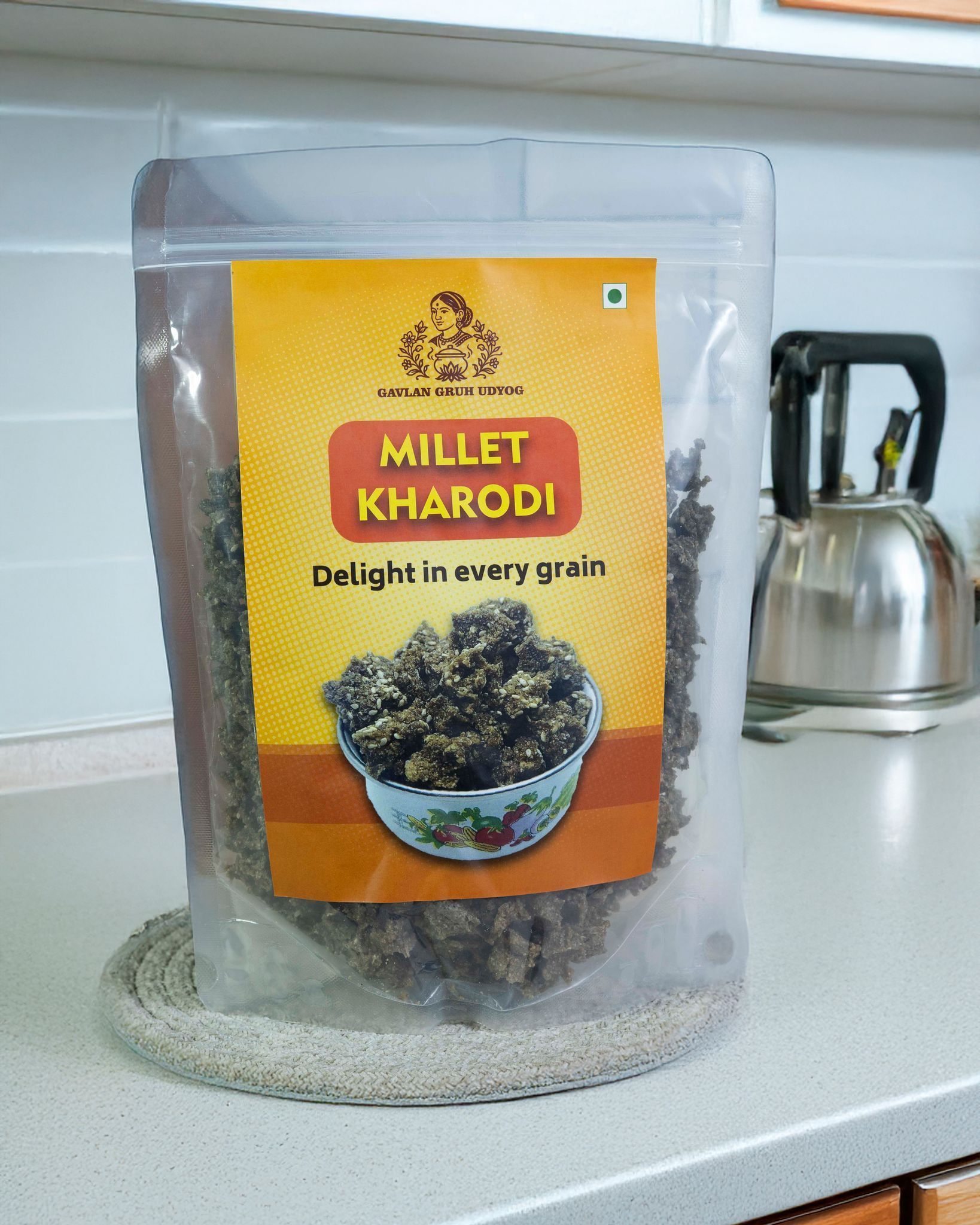
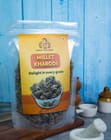
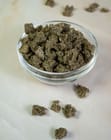
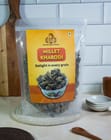
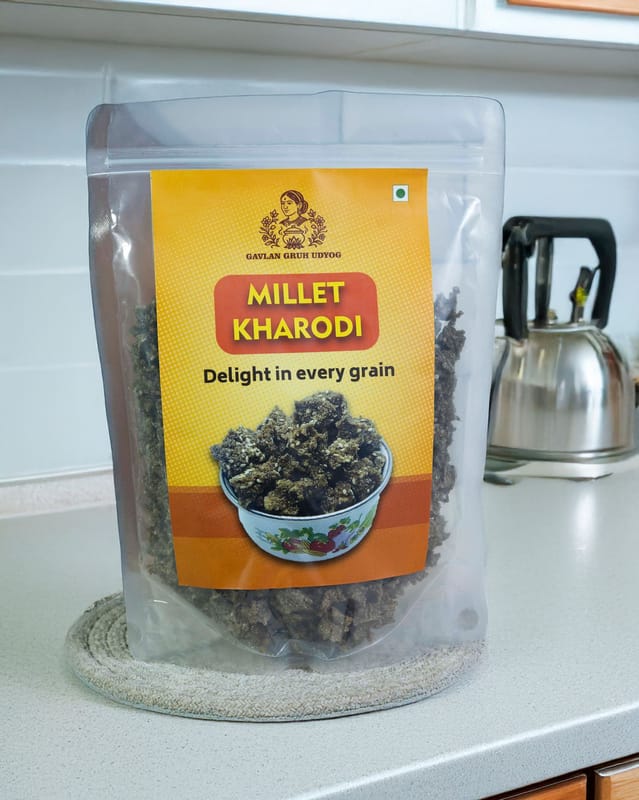
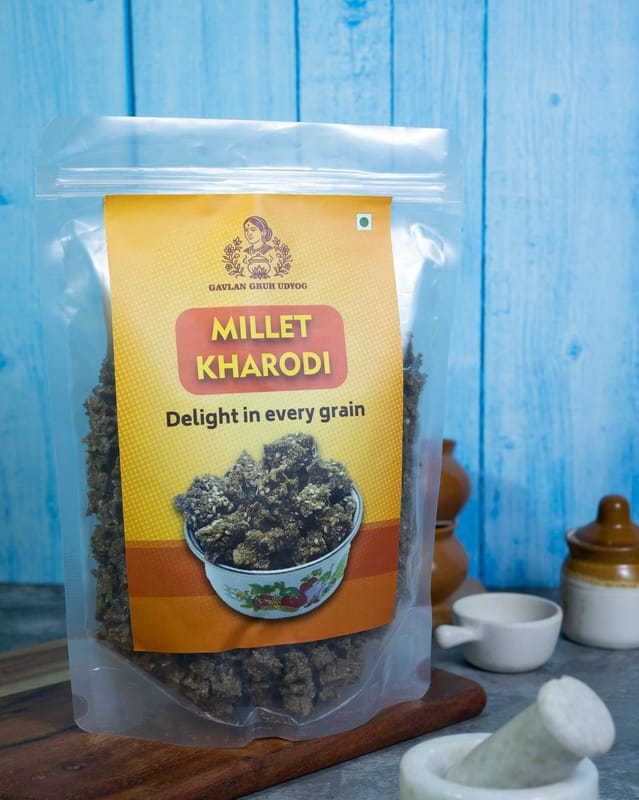
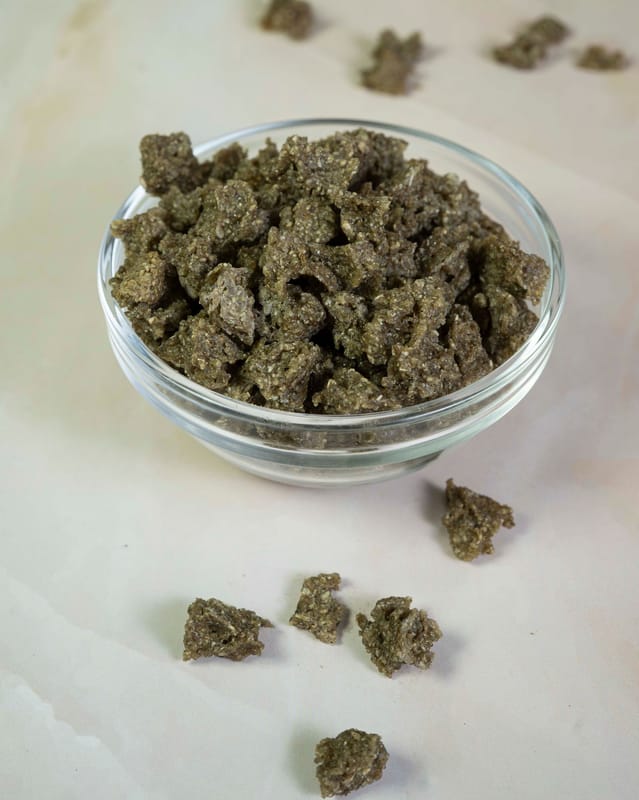
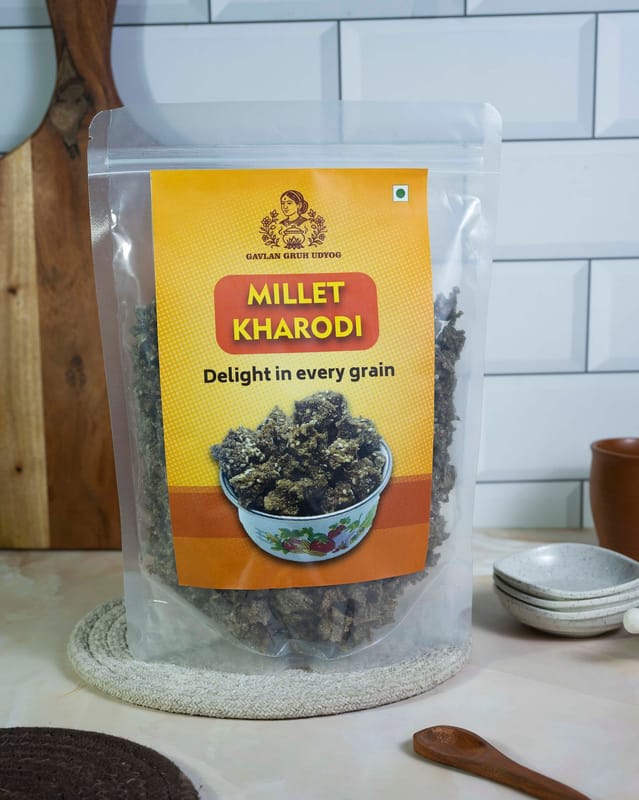

Bajari Kharudi is a traditional Indian snack made primarily from bajra, also known as pearl millet (Pennisetum glaucum). This snack is especially popular in western Indian states such as Maharashtra and Gujarat, where millet-based foods are a diet...
Read More![Healthy Ladoo 250 g Each [15X4X15cm]](https://www.mystore.in/s/62ea2c599d1398fa16dbae0a/g/8b0d66d7985e437e87c624974fcb6f0b/4650794-1745407855025205965-ondc-manual-420x420.jpeg "Healthy Ladoo 250 g Each [15X4X15cm]")
![Healthy Ladoo 250 g Each [15X4X15cm]](https://www.mystore.in/s/62ea2c599d1398fa16dbae0a/g/04e3f09612f34a26814fd3b8cdbf499b/4650794-1745407850551496928-ondc-manual-420x420.jpeg "Healthy Ladoo 250 g Each [15X4X15cm]")


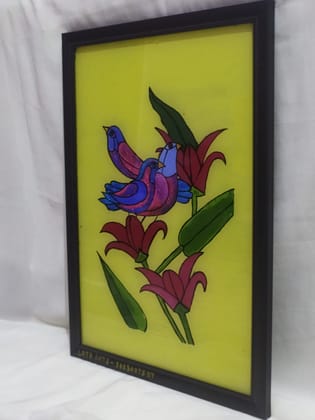
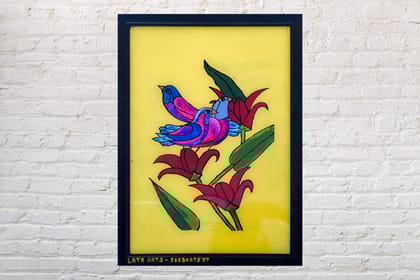
![Handmade Painting [33X2X49cm]](https://www.mystore.in/s/62ea2c599d1398fa16dbae0a/g/6e5d23e29c22425aa9a0cd3bb1049ecc/download-420x420.png "Handmade Painting [33X2X49cm]")
![Handmade Painting [33X2X49cm]](https://www.mystore.in/s/62ea2c599d1398fa16dbae0a/g/9fad39739440498c9b58958d1a3145d2/download-420x420.png "Handmade Painting [33X2X49cm]")
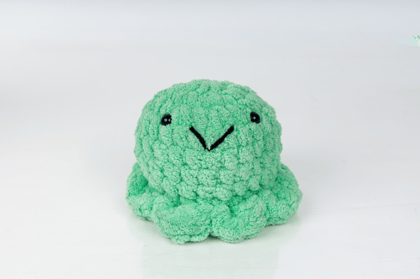
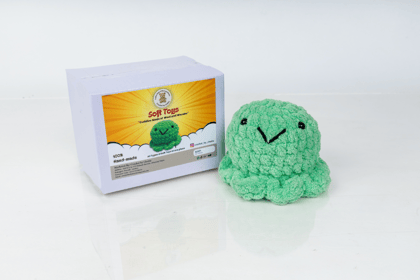
Be the first to review this product
Upload a Photo