The rhinoceros beetle is a large, black insect that is found in many parts of the world. It is a member of the family Scarabaeidae, which also includes the dung beetle and the scarab beetle. Rhinoceros beetles are known for their long, horn-like projections on their heads. These horns are used for fighting and for attracting mates.
Rhinoceros beetles are pests of many crops, including corn, soybeans, and sugarcane. They can also damage trees and shrubs. The larvae of rhinoceros beetles are called grubs. Grubs live in the soil and feed on the roots of plants. They can cause significant damage to crops.
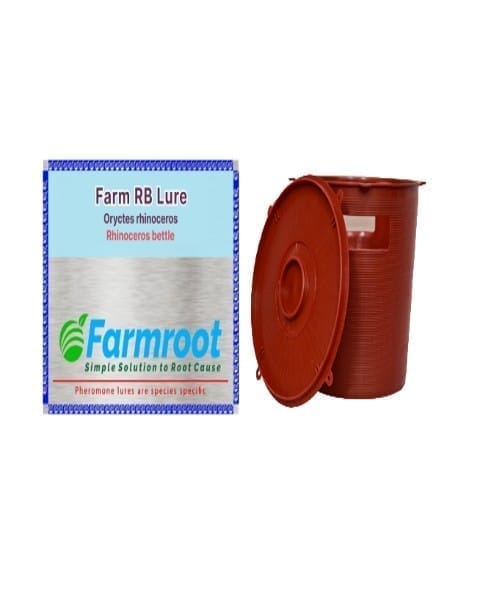
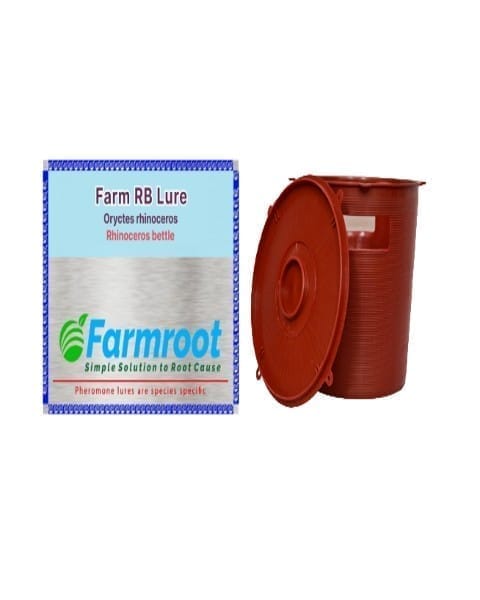
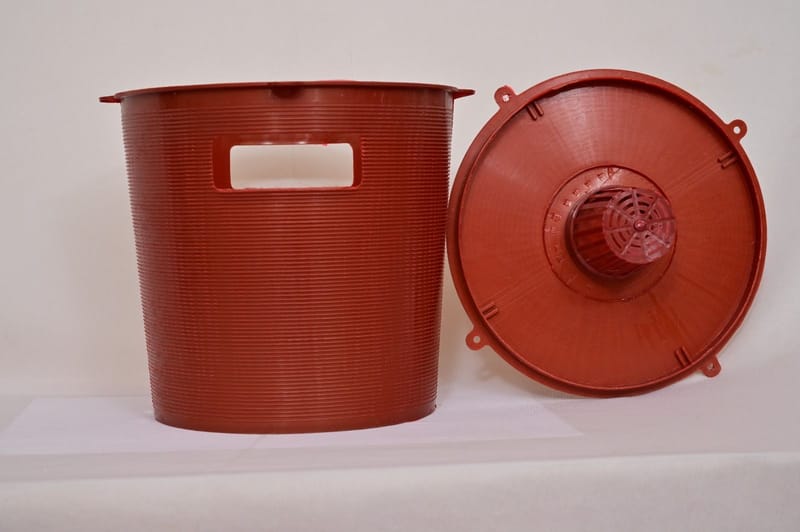
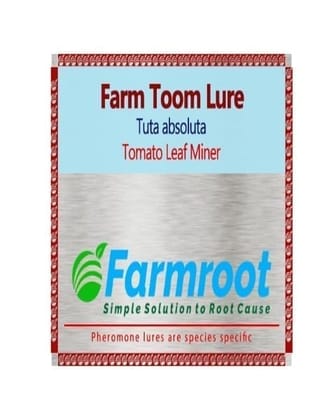
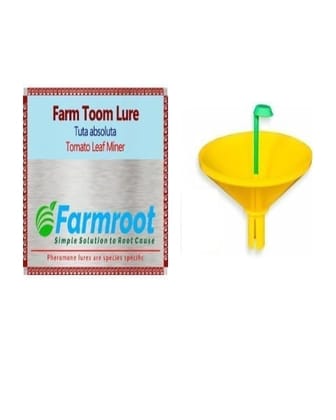
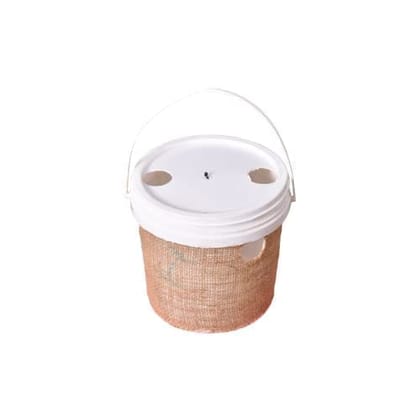
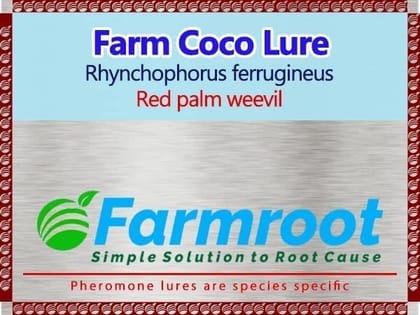
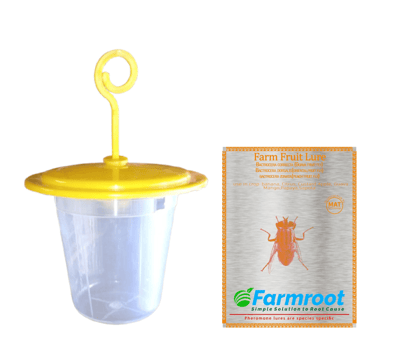
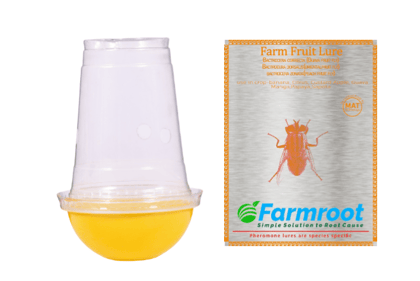
There are a number of ways to control rhinoceros beetles. One way is to use pheromone traps. Pheromone traps are baited with a chemical that attracts rhinoceros beetles. The beetles are then trapped in the trap and killed.
Another way to control rhinoceros beetles is to use biological control. Biological control is the use of natural enemies to control pests. In the case of rhinoceros beetles, natural enemies include wasps, flies, and birds.
Rhinoceros beetles are a serious pest, but they can be controlled. By using a combination of pheromone traps and biological control, farmers can reduce the damage caused by these beetles.
Benefits of using pheromone traps to control rhinoceros beetles
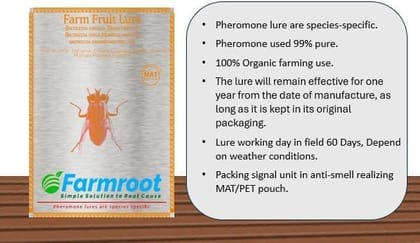
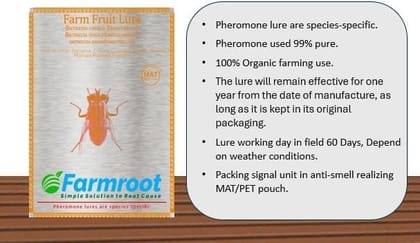
Pheromone traps are an effective way to control rhinoceros beetles. They are species-specific, which means that they will only attract rhinoceros beetles. This helps to reduce the impact on other insects. Pheromone traps are also relatively inexpensive and easy to use.
How to use pheromone traps to control rhinoceros beetles
Pheromone traps are baited with a chemical that attracts rhinoceros beetles. The beetles are then trapped in the trap and killed. Pheromone traps should be placed in areas where rhinoceros beetles are known to be active. The traps should be checked regularly and the beetles should be removed.
Conclusion
Rhinoceros beetles are a serious pest, but they can be controlled. By using a combination of pheromone traps and biological control, farmers can reduce the damage caused by these beetles.