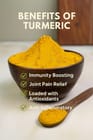
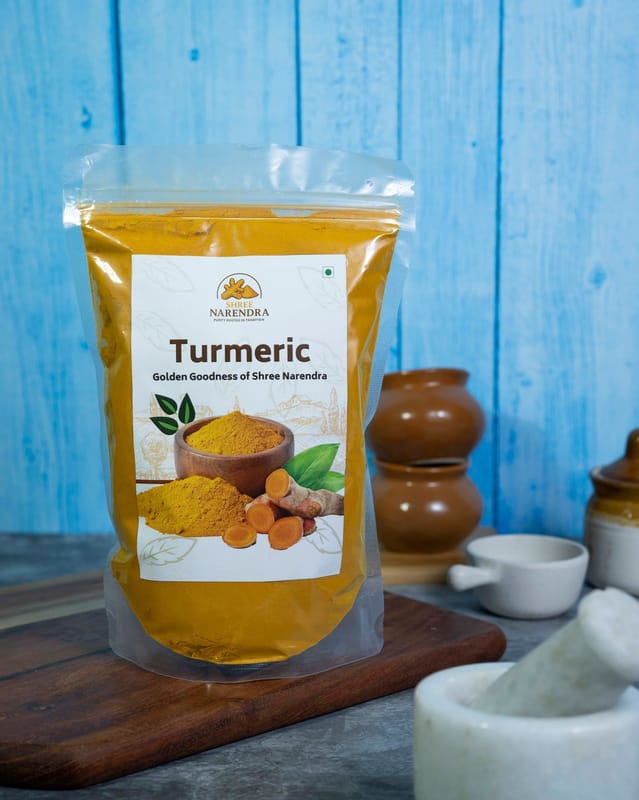
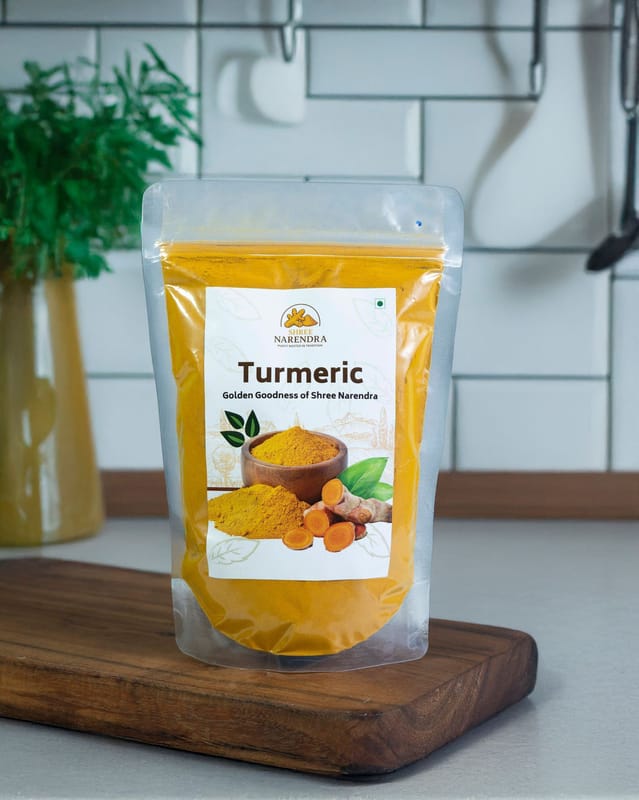
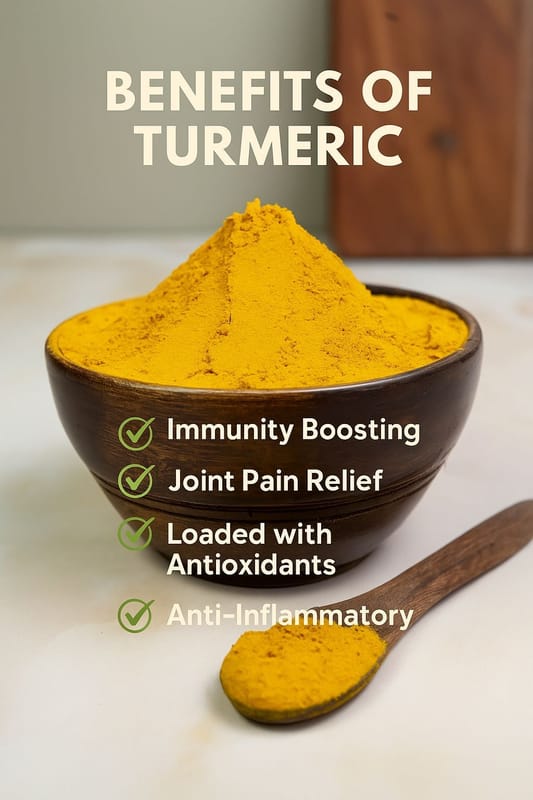
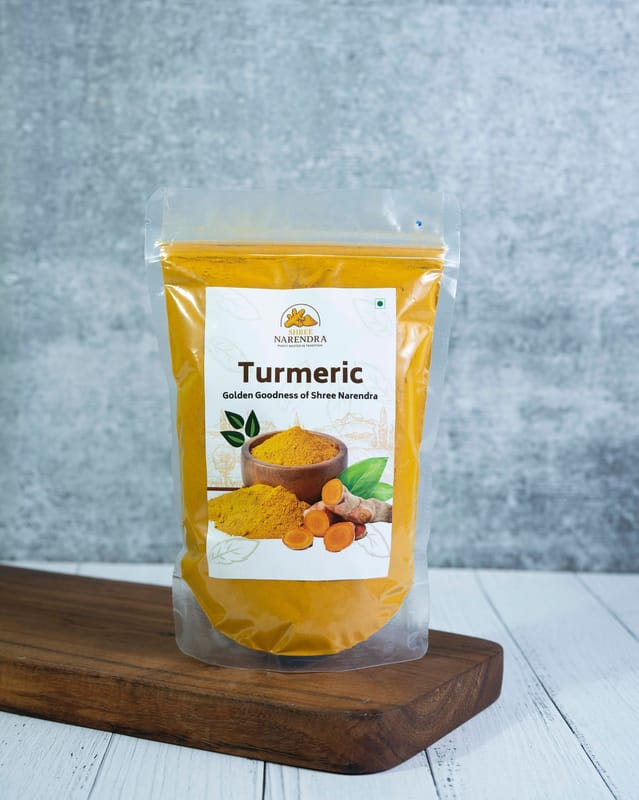
Halad, commonly known as turmeric and botanically identified as Curcuma longa, is a perennial, herbaceous plant belonging to the ginger family (Zingiberaceae). Native to the Indian subcontinent and Southeast Asia, halad thrives in warm, humid climates and is cultivated primarily for its underground rhizomes, which are highly branched, aromatic, and display a vibrant orange-yellow color342. The plant typically grows to about one meter in height, with smooth, tapering leaves and dull yellow flowers. Culinary and Cultural Importance : Halad is a cornerstone of South Asian cuisine, imparting a warm, earthy flavor and a striking yellow hue to curries, rice dishes, pickles, and condiments such as mustard. Its culinary versatility extends to relishes, spiced butters, and even fish and egg preparations. Beyond its role as a spice, turmeric has been used since antiquity as a textile dye and in religious and cultural ceremonies, such as the Haldi ceremony in Indian weddings, where turmeric paste is applied to the bride and groom for its auspicious and beautifying properties. Medicinal and Therapeutic Uses Turmeric is renowned in Ayurveda and traditional medicine for its wide-ranging therapeutic benefits. The primary bioactive compound, curcumin, is credited with potent anti-inflammatory, antioxidant, and antimicrobial properties. Halad is used to: Aid digestion by reducing gas, bloating, and indigestion, Support joint health and relieve arthritis pain through its anti-inflammatory effects, Promote wound healing and improve skin health when applied topically, Boost immunity and help ward off colds and coughs.
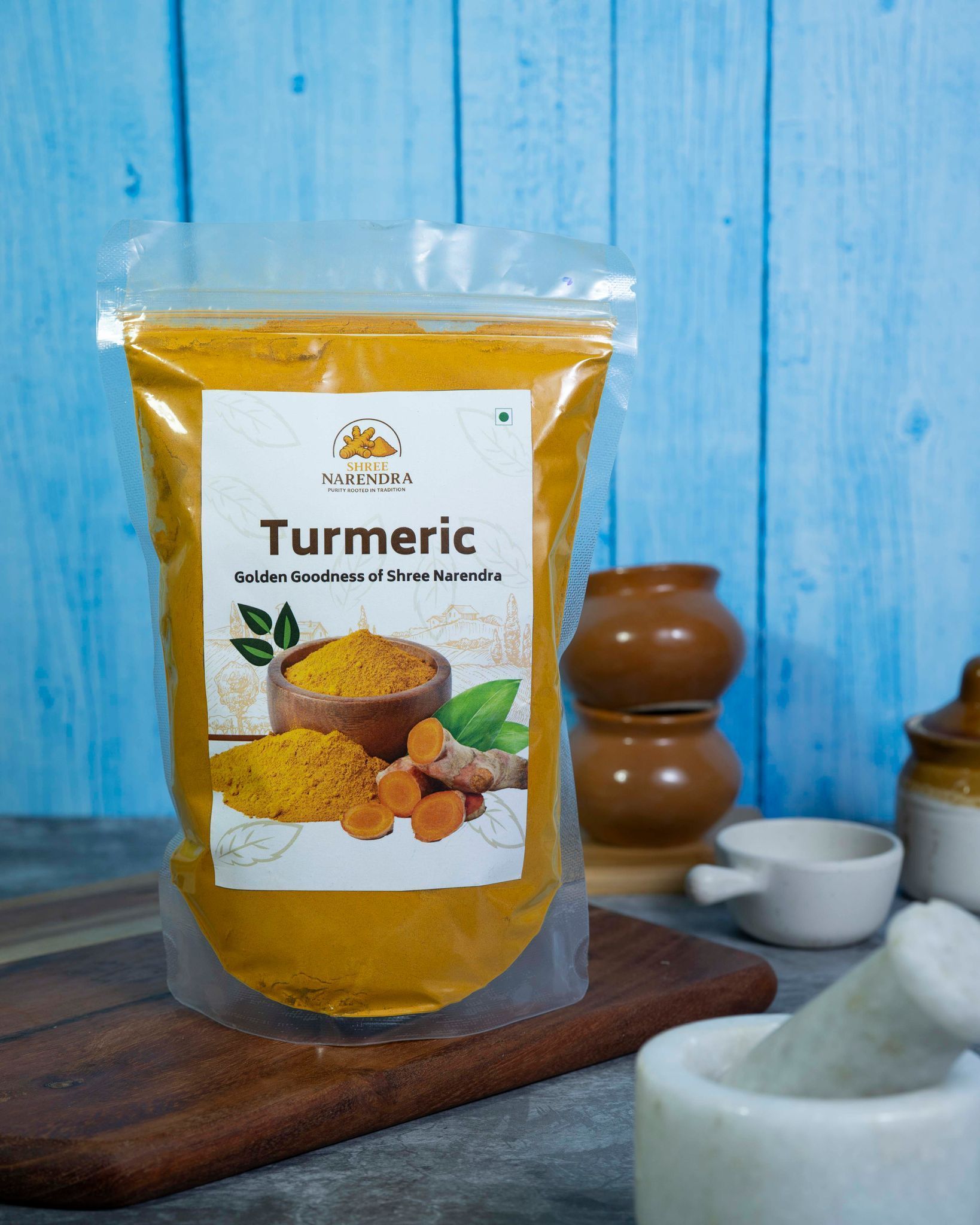



![Khadi Kurti-Size 32 [28X33CM]](https://www.mystore.in/s/62ea2c599d1398fa16dbae0a/g/2e9614ad06fa4bd9af54e259b6b000dd/4650794-1745407352648197567-ondc-manual-420x420.jpeg "Khadi Kurti-Size 32 [28X33CM]")
![Khadi Kurti-Size 32 [28X33CM]](https://www.mystore.in/s/62ea2c599d1398fa16dbae0a/g/6a7725aab6de4b3eb05097126aa52e0c/4650794-1745407356919940185-ondc-manual-420x420.jpeg "Khadi Kurti-Size 32 [28X33CM]")