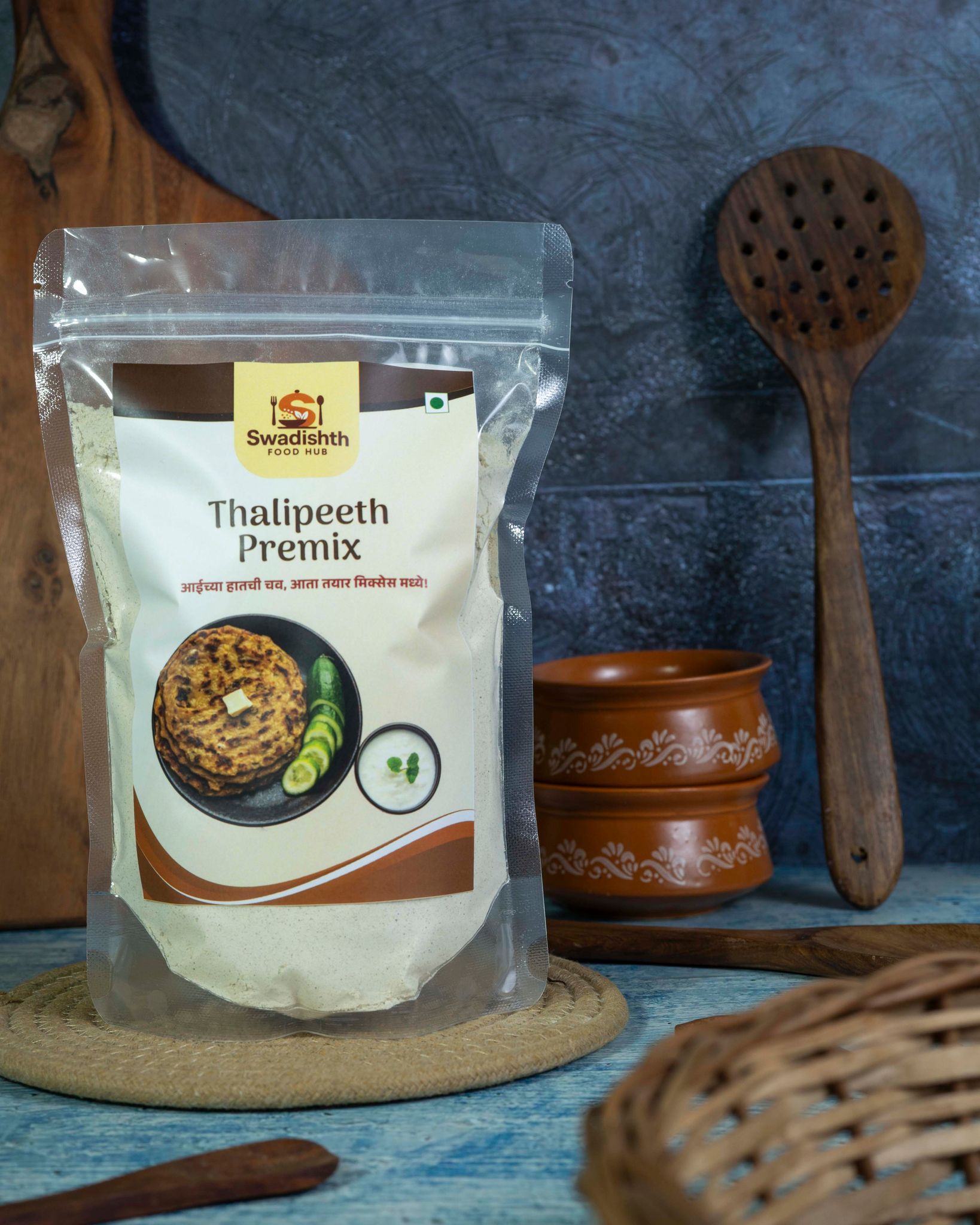
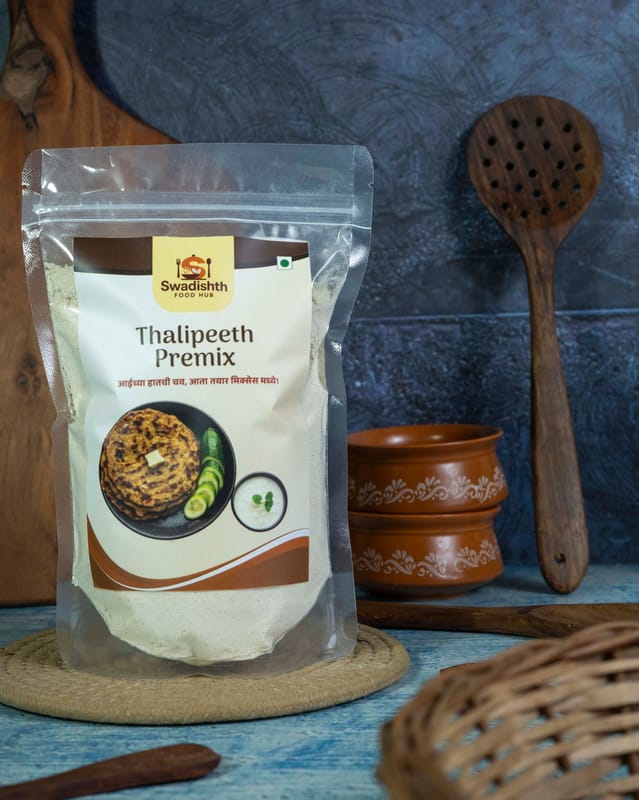
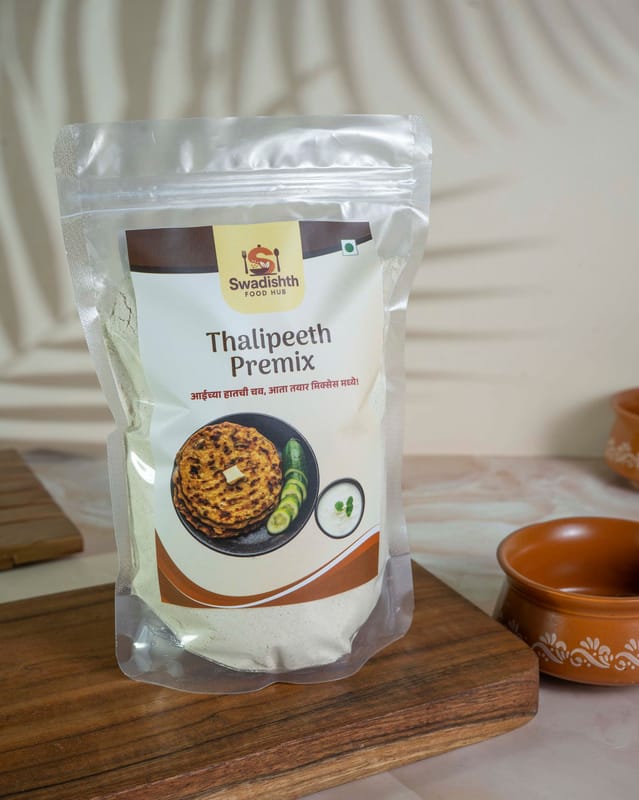
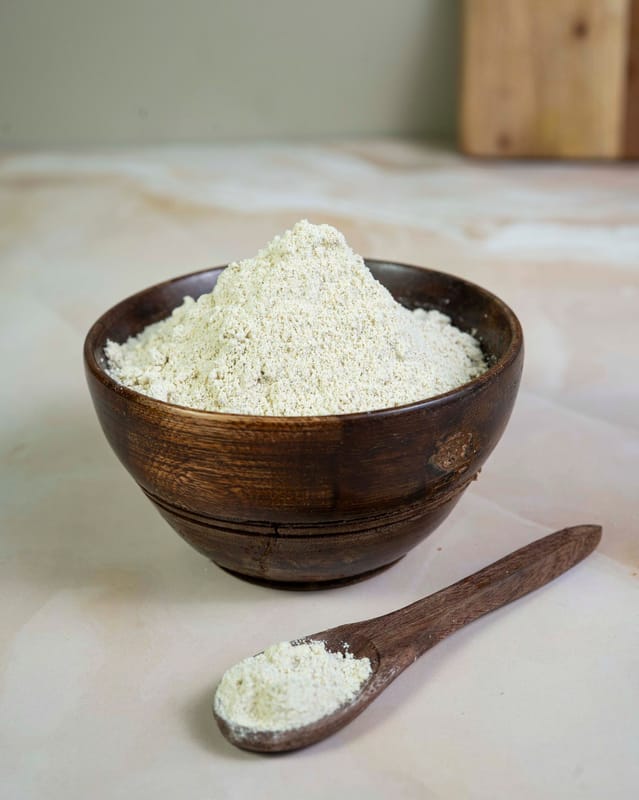
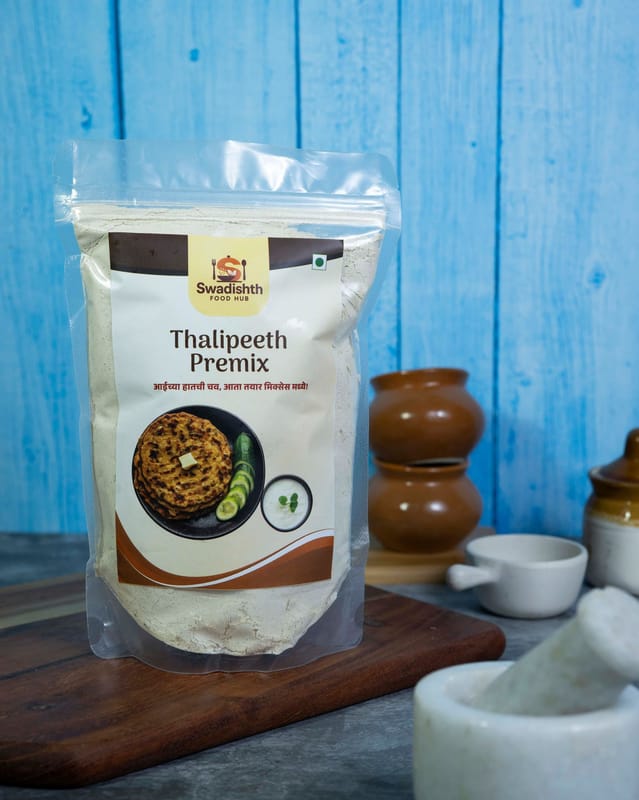
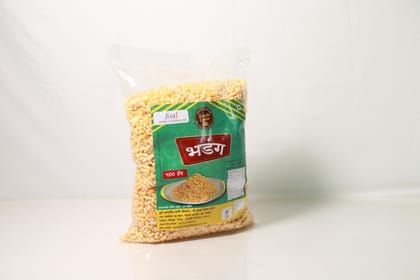
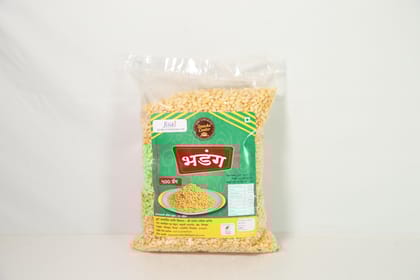
Bhajani Thalipith is a quintessential Maharashtrian flatbread, celebrated for its rustic flavors, nutritional richness, and deep cultural roots. The term "bhajani" refers to a special multigrain flour made by roasting and grinding a blend of grains, pulses, and spices. Common ingredients in bhajani include bajra (pearl millet), jowar (sorghum), rice, chana dal, urad dal, moong dal, and coriander seeds. Each component is dry-roasted separately to enhance its aroma and flavor, then ground together to form a coarse, aromatic flour that forms the base of Thalipith To make Bhajani Thalipith, the bhajani flour is combined with finely chopped onions, green chilies, fresh coriander, and seasonings such as cumin, ajwain (carom seeds), and sometimes garlic or ginger. Water is added to bind the mixture into a pliable dough. Unlike wheat-based flatbreads, Thalipith dough is gluten-free and cannot be rolled out; instead, it is patted into thin discs by hand—traditionally on a wet cloth, banana leaf, or parchment paper. A small hole is often made in the center of each disc to help it cook evenly The patted dough is transferred to a hot griddle (tava), drizzled with oil, and cooked until both sides are golden brown and crisp. The resulting flatbread is hearty, with a nutty, toasty flavor from the roasted grains and pulses, and a pleasant bite from the added vegetables and spices. Bhajani Thalipith is typically served hot, accompanied by a dollop of homemade butter, yogurt, or a spicy chutney such as thecha.