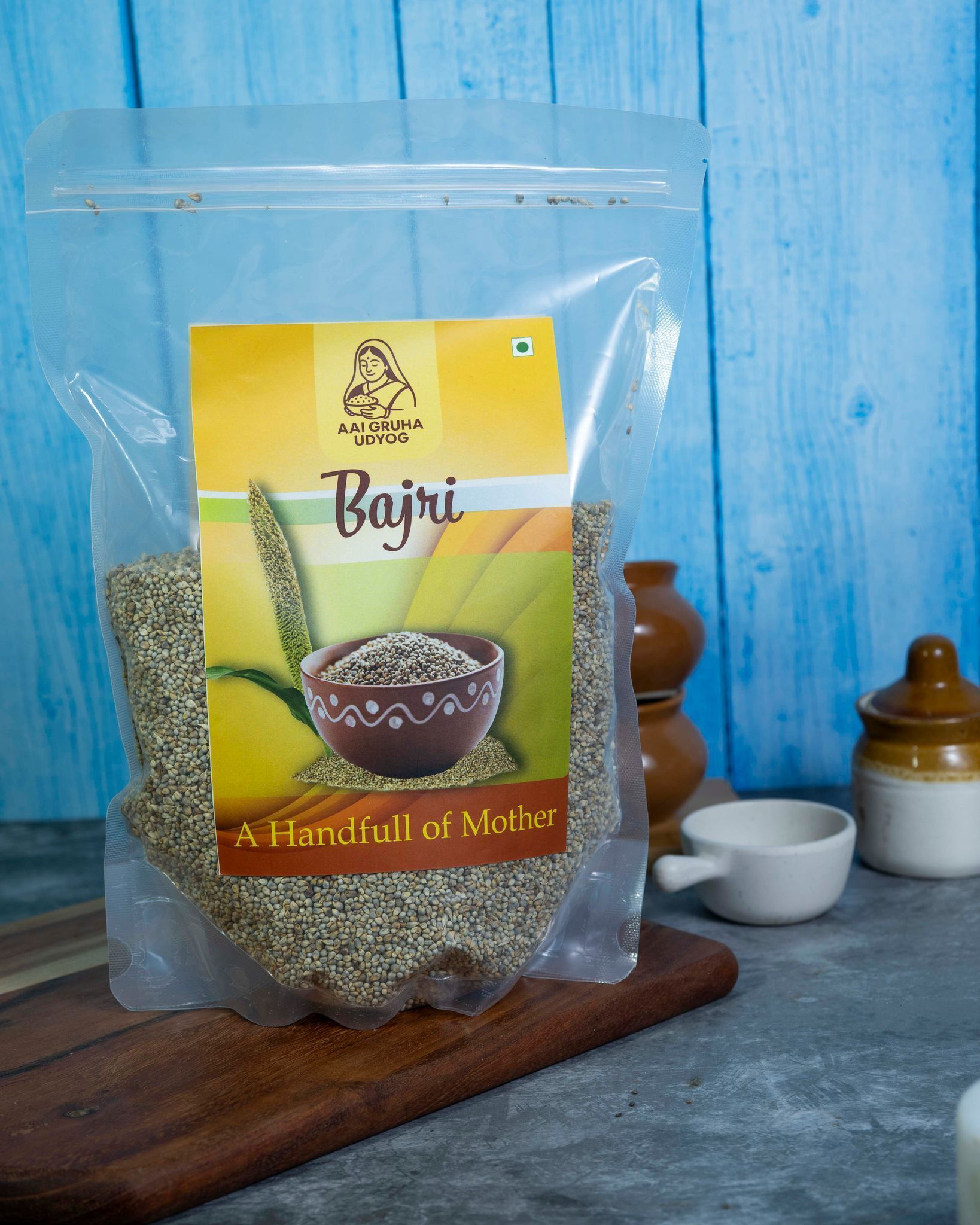
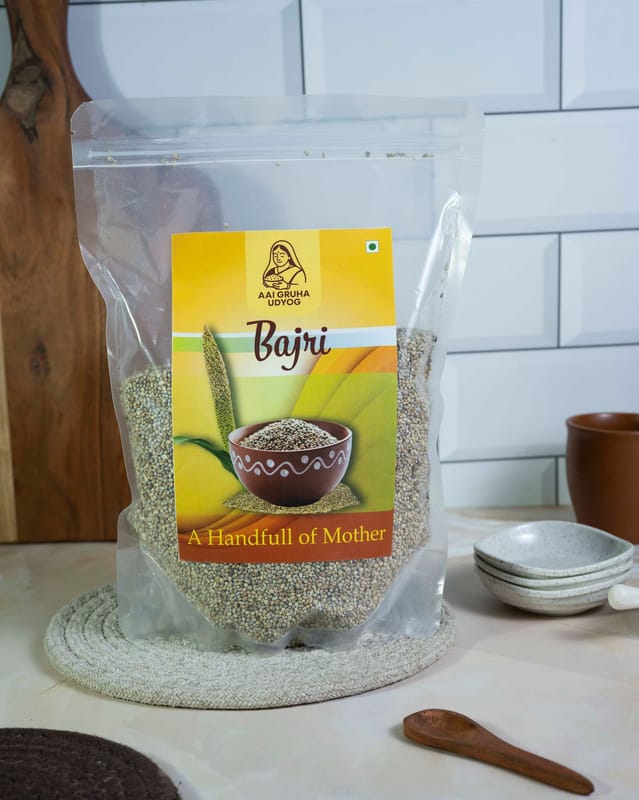
Bajari, commonly known as bajra or pearl millet (Cenchrus americanus, formerly Pennisetum glaucum), is one of the oldest and most widely cultivated cereal grains in the world. Originating in the Sahel region of West Africa, bajari has been grown since prehistoric times and remains a staple food in Africa and the Indian subcontinent. India is currently the largest producer, with significant cultivation in states such as Rajasthan, Gujarat, Haryana, and Maharashtra Botanical and Physical Characteristics:
Bajari plants vary in height from 0.5 to 4 meters and produce ovoid grains measuring 3–4 millimeters in length, making them the largest among millet varieties. The grains can be white, yellow, brown, gray, slate blue, or purple, and are typically classified by kernel shape, such as globular or lanceolate. Bajari is highly adaptable, thriving in drought-prone, low-fertility soils, and under high temperatures where other cereals like wheat and maize struggle to survive. This resilience makes it a crucial crop for food security in arid and semi-arid regions Nutritional Profile:
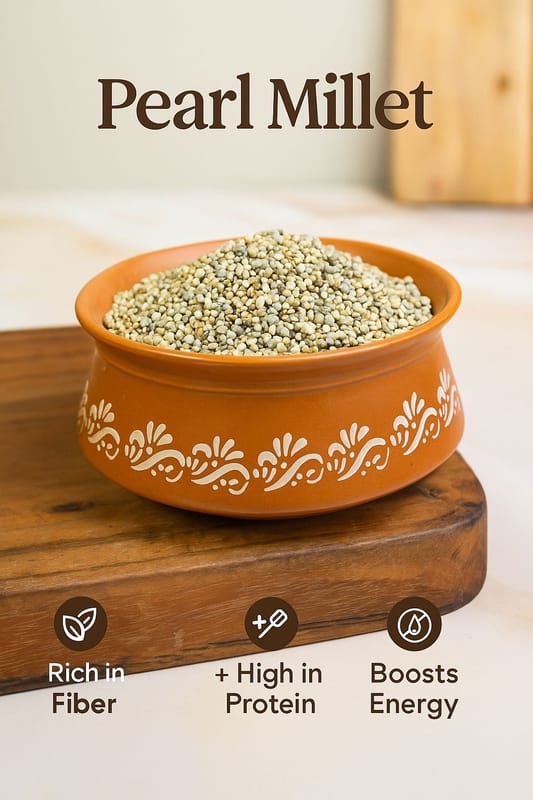
Bajari is considered a "supergrain" due to its impressive nutritional content. It is rich in protein (about 12.8%), dietary fiber (7.1%), and healthy fats (6%), and provides significant amounts of B vitamins, iron, magnesium, zinc, potassium, phosphorus, and other essential minerals. The grain is gluten-free and contains essential amino acids, making it suitable for people with celiac disease or gluten intolerance. Compared to other staple cereals like wheat and rice, bajari offers higher levels of micronutrients and is especially valued for its iron and fiber content Health Benefits:
Regular consumption of bajari supports digestive health, helps regulate blood sugar levels, and aids in weight management due to its high fiber and slowly digestible starch content. It is also linked to improved heart health, as its magnesium and potassium help control blood pressure and cholesterol levels. Bajari is beneficial for those with diabetes, polycystic ovarian syndrome (PCOS), and cardiovascular conditions. The presence of antioxidants and phytochemicals further enhances its role in detoxification and disease prevention
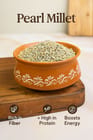
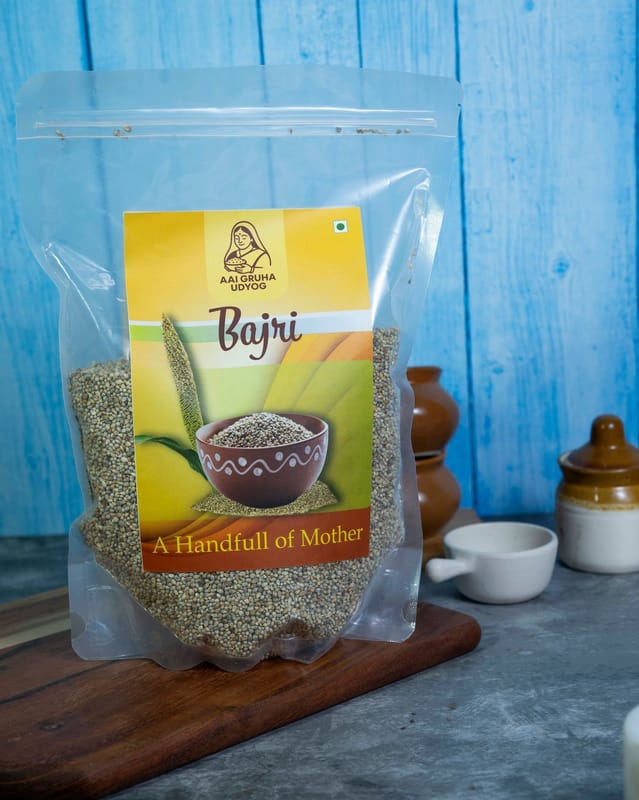
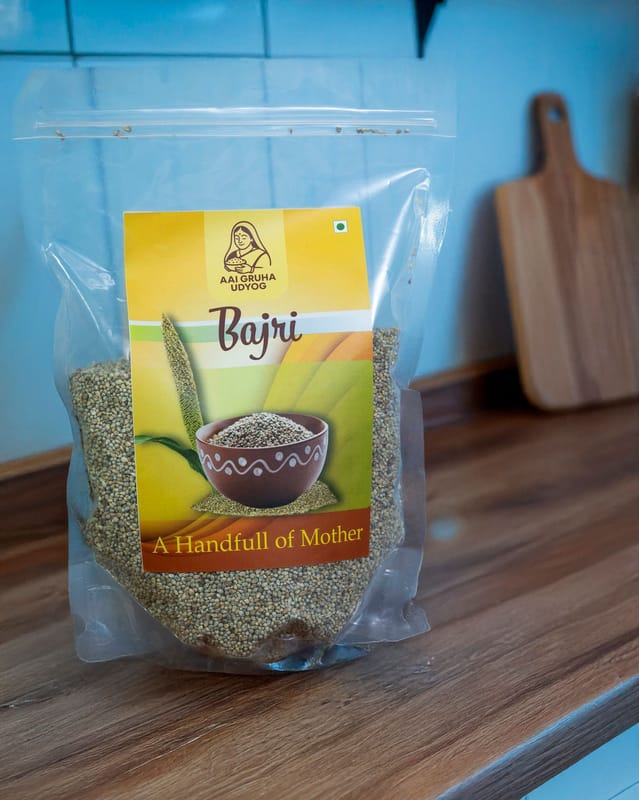






![Ready to cook gravy premix 50 g Each [10X14.5cm]](https://www.mystore.in/s/62ea2c599d1398fa16dbae0a/g/d05d9b8d8dd9489698ef8e380483344a/4650794-1745407024216941428-ondc-manual-420x420.jpeg "Ready to cook gravy premix 50 g Each [10X14.5cm]")
![Ready to cook gravy premix 50 g Each [10X14.5cm]](https://www.mystore.in/s/62ea2c599d1398fa16dbae0a/g/9d588febf624412ba2d0847da7ec9a0e/4650794-1745407033046319492-ondc-manual-420x420.jpeg "Ready to cook gravy premix 50 g Each [10X14.5cm]")