


 Contact Us
 Appliances
 Agri Inputs
 Auto Components & Accessories
 Beauty & Personal Care
 Electronics
 Fashion
 Grocery
 Gift Cards
 Home & kitchen
 Health & Wellness
 Vehicles & Automotives
 Books & Stationary
 Pet Care
 Toys & Games

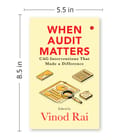
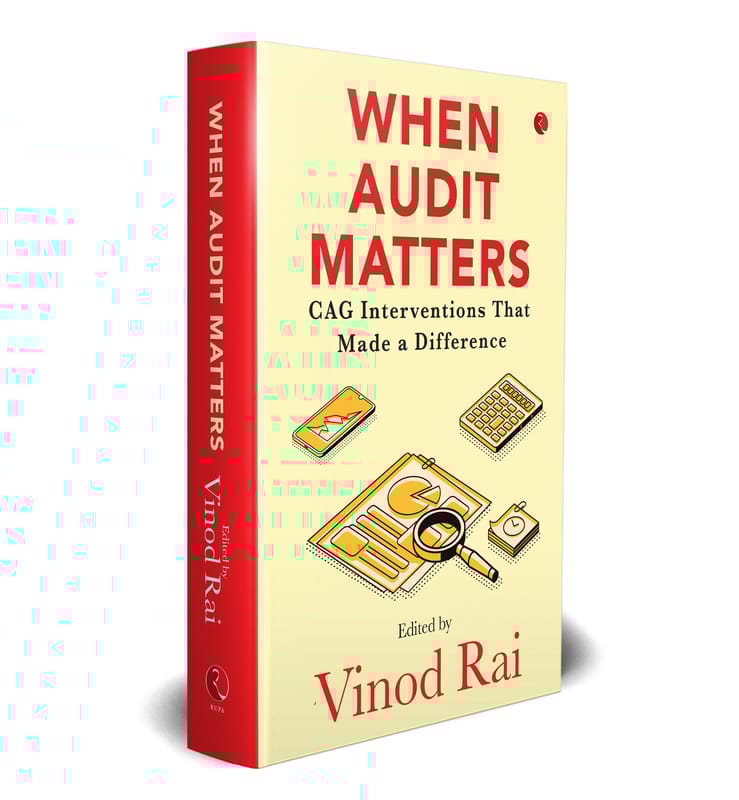
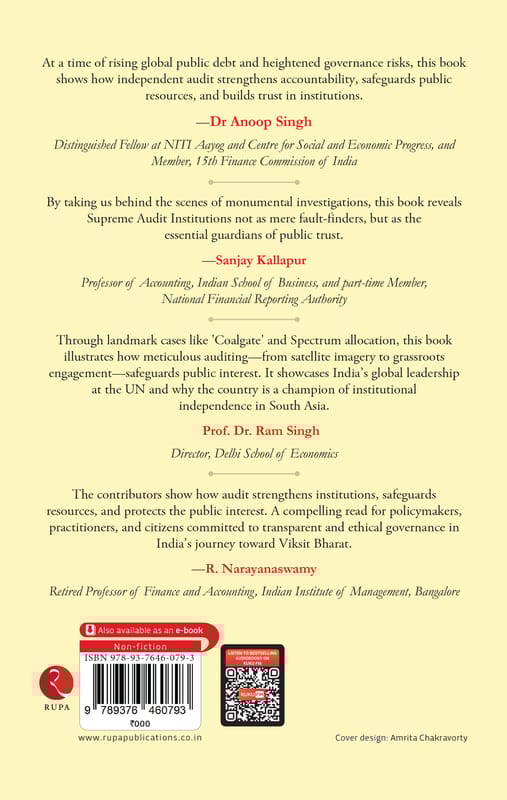
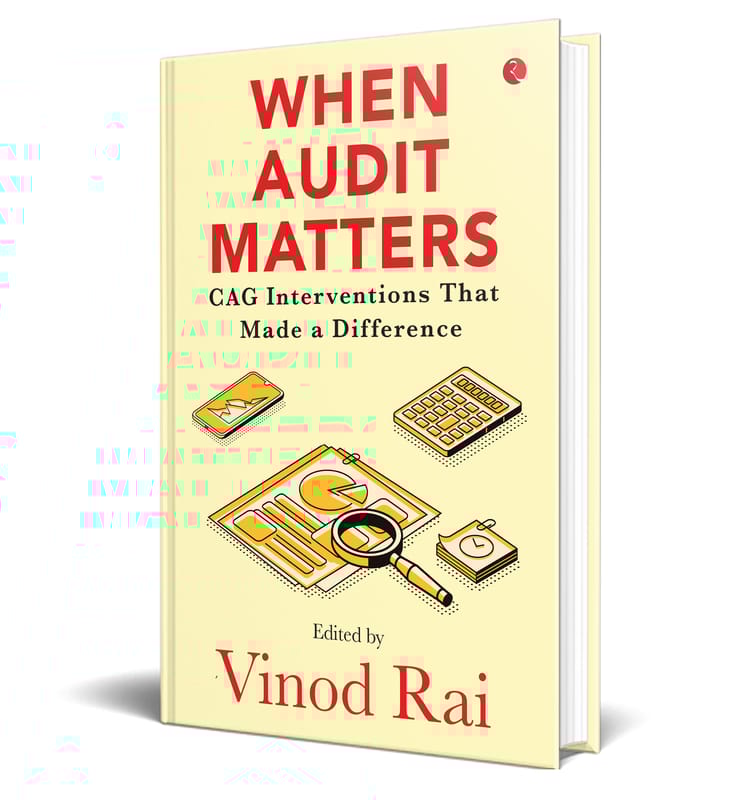
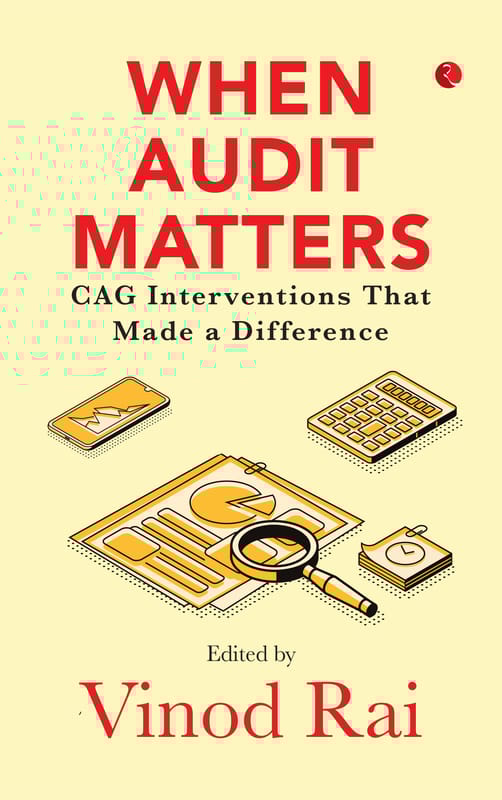
Public audit is often perceived narrowly—as an exercise in fault-finding or compliance. This volume challenges that perception by demonstrating how audits conducted by the Comptroller and Auditor General of India (CAG) have contributed constructiv...
Read MorePopular Categories
Support
Language
Our apps
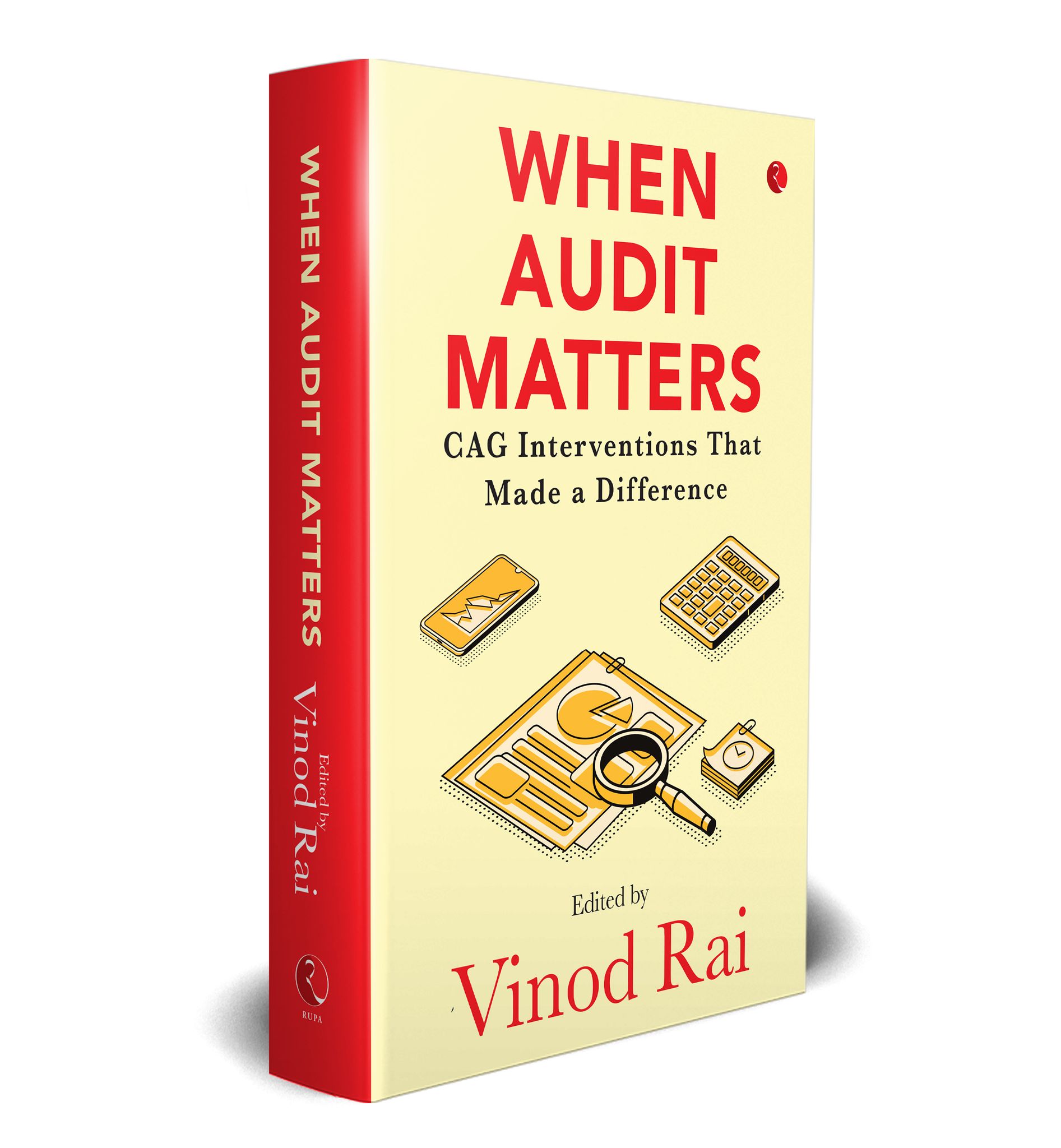
When Audit Matters: Cag Interventions That Made a Difference
Key Attributes
| Country of origin | India |
|---|---|
| Net Quantity | 1 unit |
| Manufacturer or packer name | Rupa Publications India |
Public audit is often perceived narrowly—as an exercise in fault-finding or compliance. This volume challenges that perception by demonstrating how audits conducted by the Comptroller and Auditor General of India (CAG) have contributed constructively to improving public administration, strengthening systems, and enhancing accountability across sectors. Edited by Vinod Rai, this book brings together first-hand accounts and analytical chapters written by experienced government auditors, each examining audits in diverse subject areas—ranging from infrastructure and social sector programmes to finance, environment, and public service delivery. Collectively, these chapters show how well-designed audits, grounded in evidence and professional judgement, can act as catalysts for reform, prompting corrective action, policy recalibration, and better outcomes for citizens. Rather than focusing solely on irregularities, the contributors highlight positive audit outcomes: improved procedures, strengthened controls, enhanced transparency, and more effective governance frameworks. The case studies presented here illustrate the evolution of public audit from a narrow compliance function to a value-adding institution that supports democratic accountability and informed decisionmaking. Accessible yet rigorous, this book will be of interest to:
• Public administrators and policymakers
• Auditors and accounting professionals
• Scholars and students of public finance and governance
• Anyone interested in how institutions can improve state capacity
At a time when public trust and accountability are under intense scrutiny, this volume offers a timely and evidence-based reminder that audit, when practised with integrity and insight, can be a force for positive change.
Public audit is often seen simply as a mechanism to detect errors or enforce compliance. This book challenges that limited view by showing how audits conducted by the Comptroller and Auditor General of India can strengthen institutions, improve governance, and deliver better outcomes for citizens. Edited by Vinod Rai, the volume brings together experienced government auditors who examine how evidence-based audits can act as catalysts for reform across key sectors of public administration.
Key Highlights
• Rethinking Public Audit: Demonstrates how modern public audit goes beyond fault-finding to contribute to institutional strengthening, improved governance systems, and better public administration.
• Real-World Case Studies: Features first-hand accounts from experienced government auditors examining audits across sectors such as infrastructure, finance, environment, social programmes, and public service delivery.
• Audit as a Catalyst for Reform: Shows how well-designed audits can prompt corrective action, policy recalibration, and improvements in government processes.
• From Compliance to Value Creation: Illustrates the evolution of public audit from a narrow compliance function to a value-adding institution supporting transparency and democratic accountability.
• Evidence-Based Insights: Combines analytical discussion with practical examples to highlight how professional judgement and rigorous evidence can strengthen governance frameworks.
Who Should Read This Book
• Public administrators and policymakers
• Auditors, accountants, and public finance professionals
• Scholars and students of public administration, governance, and public finance
• Researchers interested in institutional accountability and state capacity
• Anyone interested in how audit institutions can strengthen democratic governance and improve government performance
| Country of origin | India |
|---|---|
| Common name | When Audit Matters: CAG Interventions That Made a Difference |
| Net Quantity | 1 unit |
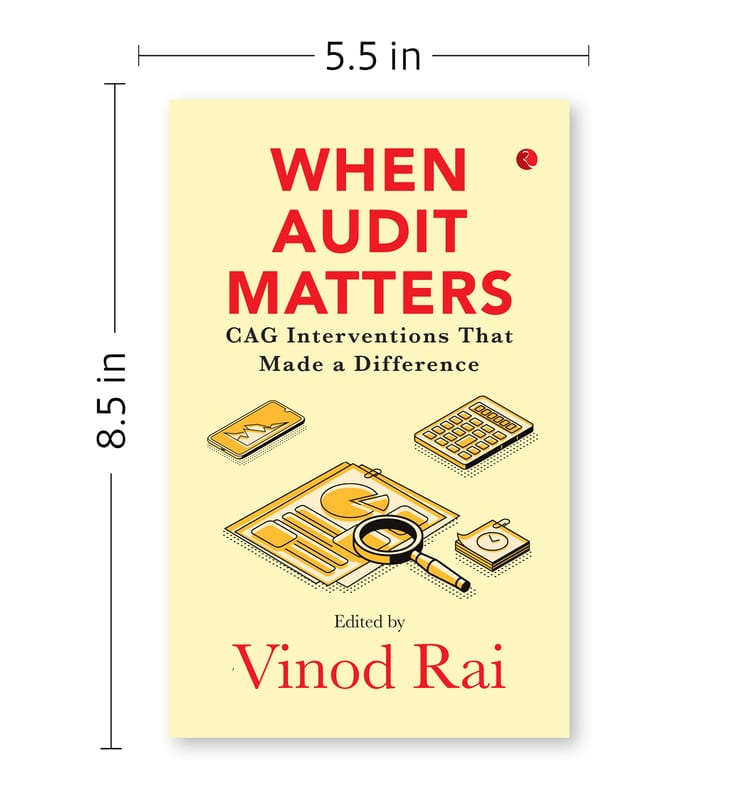
| Package Dimension | 8.5L x 5.51W x 0.78H cm |
| Manufacturer or packer name | Rupa Publications India |
| Manufacturer or packer address | Rupa Publications India |
| Manufacturing Date | 2026 |
| ISBN | 9789376460793 |
| contact details consumer care | Rupa Publications India Pvt Ltd, [email protected] |
Other Products from seller Rupa Publications India Pvt Ltd

₹354₹495 ( 28% OFF )

₹284₹395 ( 28% OFF )

₹423₹595 ( 29% OFF )

₹495₹699 ( 29% OFF )

₹284₹395 ( 28% OFF )
₹215₹295 ( 27% OFF )

₹145₹195 ( 26% OFF )

₹145₹195 ( 26% OFF )


₹631₹895 ( 29% OFF )
₹631₹895 ( 29% OFF )

₹114₹150 ( 24% OFF )


₹145₹195 ( 26% OFF )

₹287₹399 ( 28% OFF )
