


 Contact Us
 Appliances
 Agri Inputs
 Auto Components & Accessories
 Beauty & Personal Care
 Electronics
 Fashion
 Grocery
 Gift Cards
 Home & kitchen
 Health & Wellness
 Vehicles & Automotives
 Books & Stationary
 Pet Care
 Toys & Games
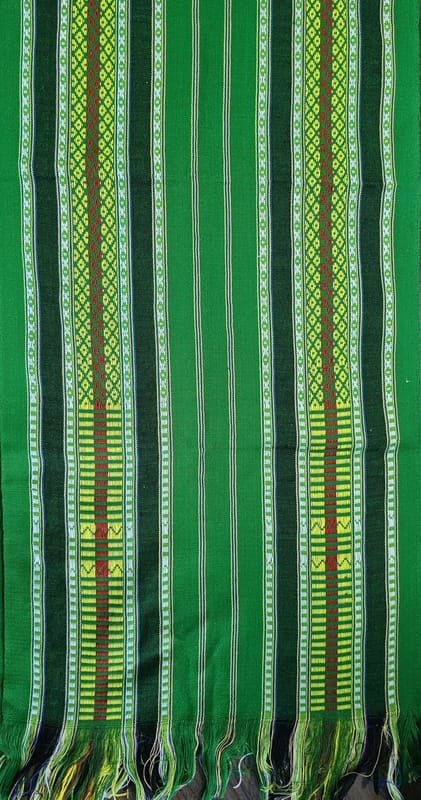
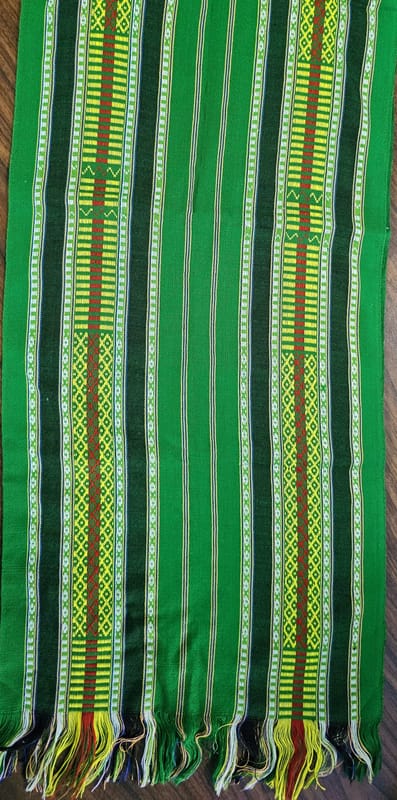
If we are discussing fabrics associated with the Rabha community of Assam, India, here are some insights:
-
Traditional Attire: The Rabha people traditionally wear handwoven textiles that reflect their cultural i...
If we are discussing fabrics associated with the Rabha community of Assam, India, here are some insights:
Traditional Attire: The Rabha people traditionally wear handwoven textiles that reflect their cultural i...
If we are discussing fabrics associated with the Rabha community of Assam, India, here are some insights:
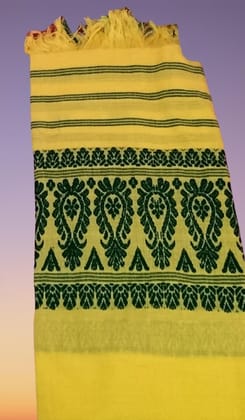
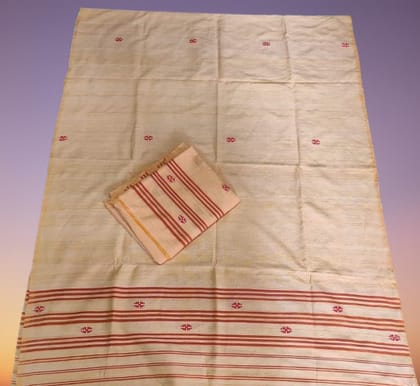
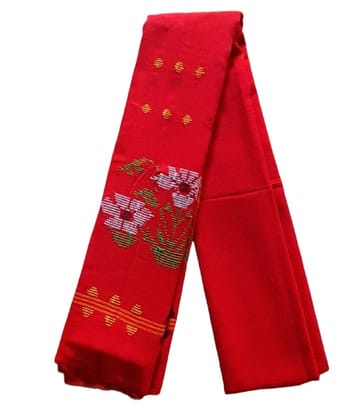
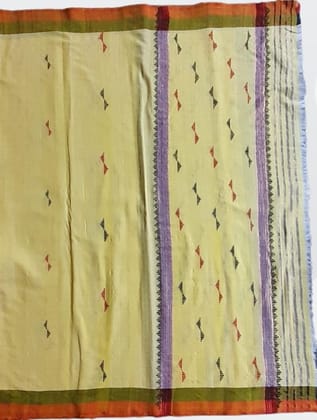
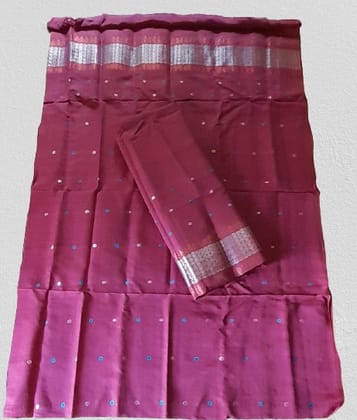
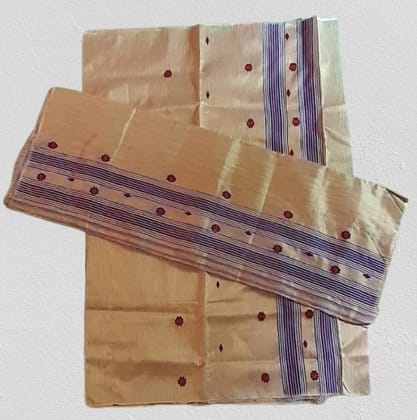
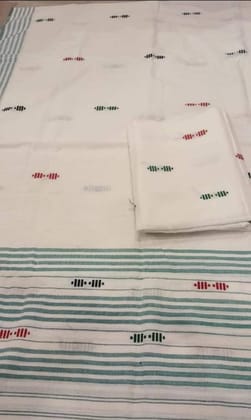
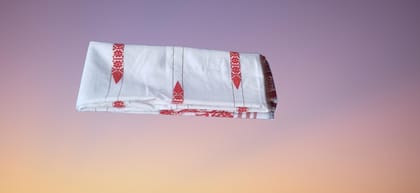
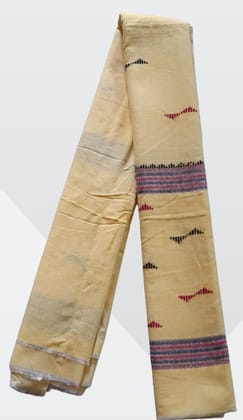
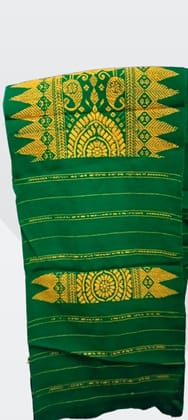
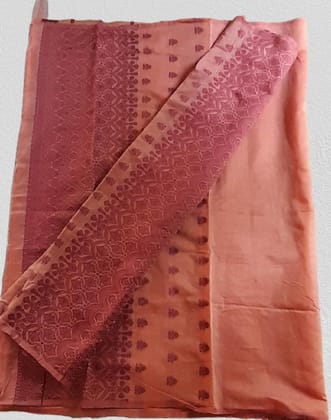
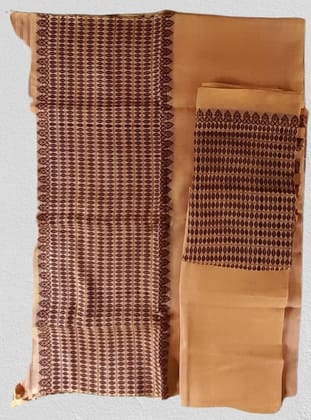
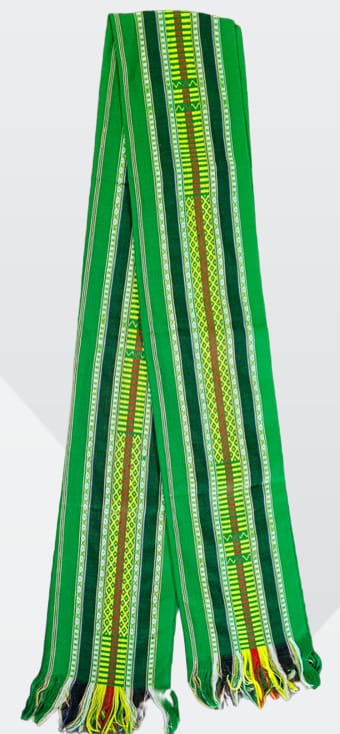
Traditional Attire: The Rabha people traditionally wear handwoven textiles that reflect their cultural identity. Women typically wear saris or mekhela chadors (two-piece traditional Assamese attire) made from cotton or silk fabrics.
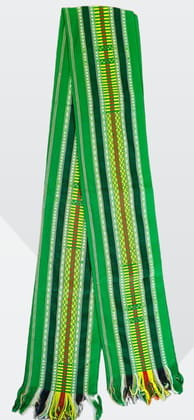
Fabrics: Cotton and silk are the primary materials used in Rabha textiles. These fabrics are often locally sourced and handwoven, showcasing intricate designs and patterns that are unique to their cultural heritage.
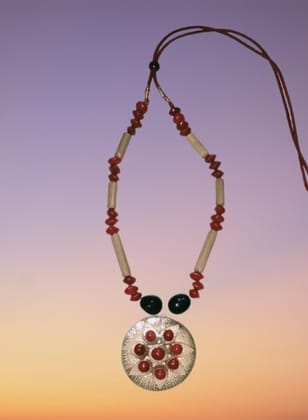
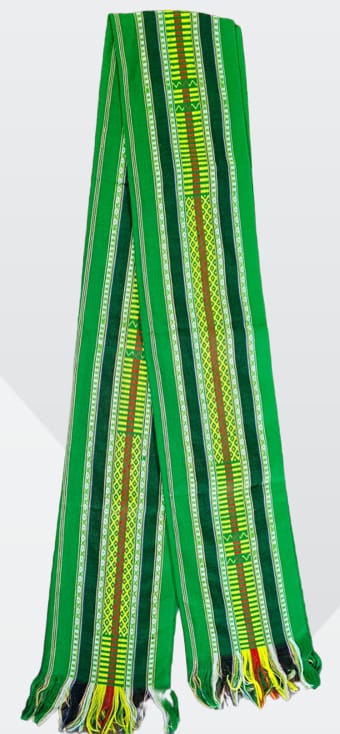
Designs and Motifs: Rabha textiles are known for their vibrant colors and geometric patterns. Traditional motifs such as flowers, animals, and geometric shapes are common in their weaving.
Weaving Techniques: Handloom weaving is a significant craft among the Rabha community. The looms used are typically traditional, and the weaving process itself can vary in complexity depending on the type of fabric being produced.
Usage: These textiles are not just for everyday wear but also hold cultural significance in rituals, ceremonies, and festivals within the Rabha community
Wash Care:
When caring for traditional fabrics like those worn by the Rabha community, including cotton and silk textiles, it's essential to follow gentle washing practices to preserve their quality and vibrant colors. Here are some general tips for wash care:
Hand Washing: It is often recommended to hand wash these fabrics in cold water using a mild detergent. This helps to prevent damage and preserve the fabric's integrity.
Avoid Aggressive Washing: Do not scrub vigorously or wring the fabric forcefully, as this can cause stretching, distortion, or even tears in delicate fabrics.
Use Mild Detergent: Choose a gentle detergent specifically formulated for delicate fabrics or silk. Avoid using bleach or harsh chemicals, as they can weaken the fibers and fade colors.
Cold Water Rinse: After washing, rinse the fabric thoroughly in cold water to remove any detergent residue.
Drying: Air drying is usually recommended for traditional fabrics. Avoid direct sunlight, as it can cause colors to fade. Instead, dry the fabric in a shaded area or indoors.
Ironing: If ironing is necessary, use a low to medium heat setting. For silk fabrics, iron on the reverse side while still slightly damp to prevent shine and preserve the fabric's luster.
Storage: Store the fabric in a cool, dry place away from direct sunlight to prevent fading and moisture damage. Avoid hanging heavy garments, as this can distort the fabric over time.
| Country of origin | India |
|---|---|
| Common name | Muffler |
| Net Quantity | 1 unit |
| Batch number | 1030 |
| Expiry Date | NA |
| contact details consumer care | Mahabahu Mandal Sangathan, [email protected] |