


 Contact Us
 Appliances
 Agri Inputs
 Auto Components & Accessories
 Beauty & Personal Care
 Electronics
 Fashion
 Grocery
 Gift Cards
 Home & kitchen
 Health & Wellness
 Vehicles & Automotives
 Books & Stationary
 Pet Care
 Toys & Games
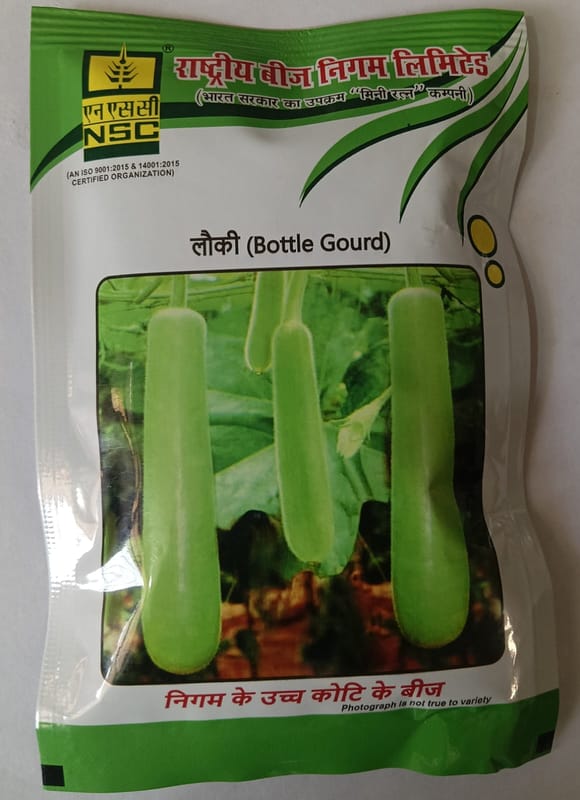
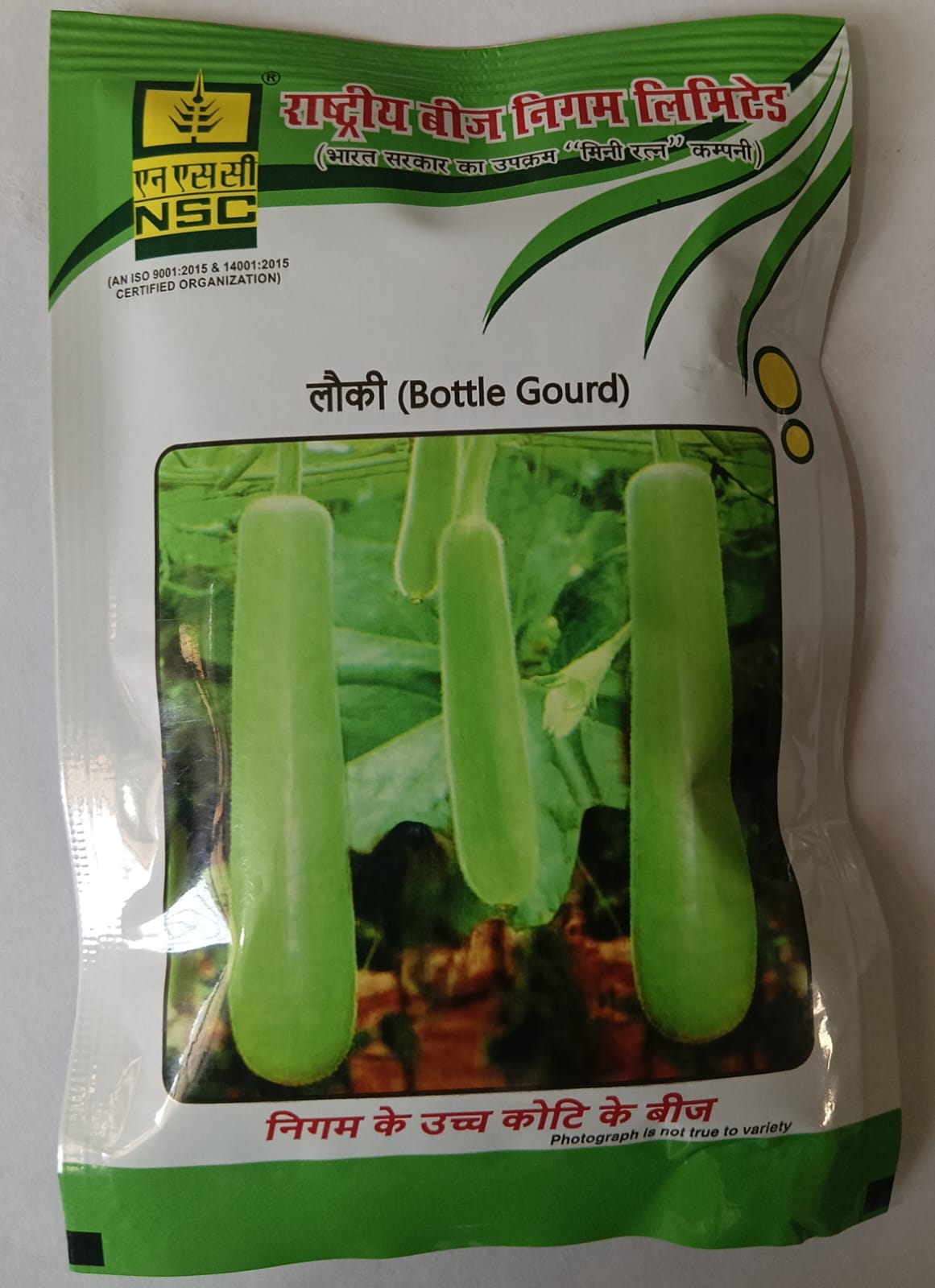
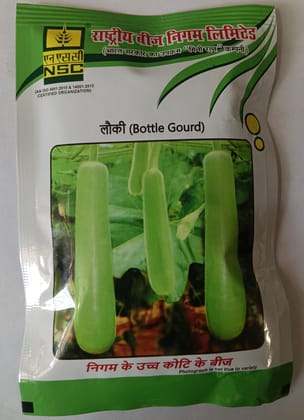
Bottle Guard (Bottle Gourd) — Variety PH‑3Botanical crop:Bottle Guard / Bottle Gourd (Lagenaria siceraria)
Support
Language
Our apps
Popular Categories
Support
Language
Our apps
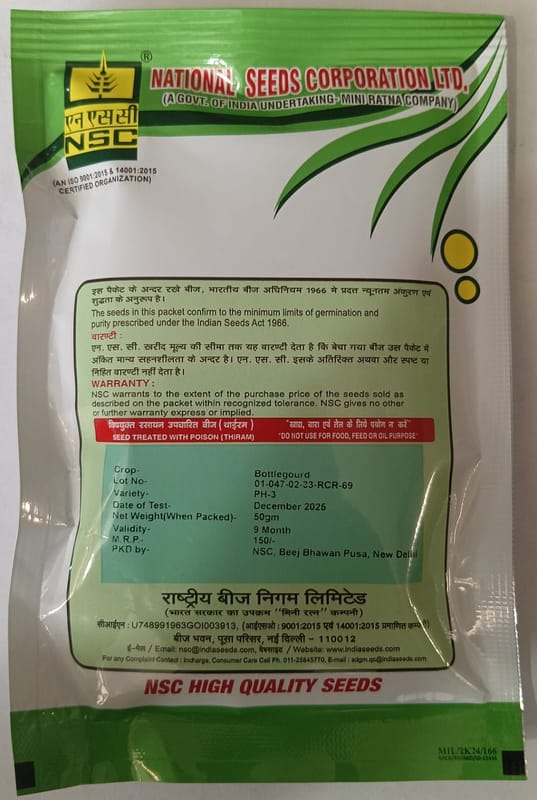
NSC, HYBRID BOTTLE GUARD, VARIETY PH-3 TL
Key Attributes
| Country of origin | India |
|---|---|
| Brand | NSC |
| Net Quantity | 50 gram |
| Manufacturer or packer name | NSC-SHAHJAHANPUR |
Bottle Guard (Bottle Gourd) — Variety PH‑3Botanical crop:Bottle Guard / Bottle Gourd (Lagenaria siceraria)
🌱
Bottle Guard (Bottle Gourd) — Variety PH‑3Botanical crop:Bottle Guard / Bottle Gourd (Lagenaria siceraria)
🌱 General Description of Variety PH‑3
The PH‑3 variety is a hybrid bottle gourd seed (often sold as “PH‑3”) developed and marketed by seed producers such as National Seeds Corporation (NSC). It is a specific cultivar of bottle gourd designed for improved performance compared with traditional local types.
Key Features & Characteristics:
- Hybrid cultivar: PH‑3 is a hybrid seed variety, meaning it’s bred for consistent traits like uniform fruits and better yield.
- Early maturity: Plants typically produce harvest‑ready gourds about 50‑55 days after sowing.
- Fruit quality: Gourds are long, attractive, light‑green and tender, often averaging around ~1 kg per fruit under good cultivation.
- Season adaptability: Suitable for spring–summer and kharif (monsoon) seasons in many regions; can also be grown in small gardens or containers.
- High yield potential: With proper agronomic care, yields can be good to very high compared to open‑pollinated types.
🌿 Agronomic & Growing Notes
- Sowing time: Often sown March to June for spring–summer crops; also viable in kharif in some climates.
- Growth habit: Bottle gourd plants are annual vines with rapid vegetative growth and require trellis or support for optimal fruit set.
- Soil & climate: Prefers well‑drained, organic rich soils with pH around 6.5–7.5 and warm conditions.
- Plant‑to‑plant spacing: Typically wide spacing to allow vine spread and sunlight penetration.
🍲 Uses
- Culinary: Fruits are eaten as a vegetable — boiled, curried, stir‑fried or in soups.
- Health: Bottle gourd is known for high water content, low calories, and nutritive value (vitamins, minerals).
Variety PH‑3
The PH‑3 variety is a hybrid bottle gourd seed (often sold as “PH‑3”) developed and marketed by seed producers such as National Seeds Corporation (NSC). It is a specific cultivar of bottle gourd designed for improved performance compared with traditional local types.
Key Features & Characteristics:
- Hybrid cultivar: PH‑3 is a hybrid seed variety, meaning it’s bred for consistent traits like uniform fruits and better yield.
- Early maturity: Plants typically produce harvest‑ready gourds about 50‑55 days after sowing.
- Fruit quality: Gourds are long, attractive, light‑green and tender, often averaging around ~1 kg per fruit under good cultivation.
- Season adaptability: Suitable for spring–summer and kharif (monsoon) seasons in many regions; can also be grown in small gardens or containers.
- High yield potential: With proper agronomic care, yields can be good to very high compared to open‑pollinated types.
🌿 Agronomic & Growing Notes
- Sowing time: Often sown March to June for spring–summer crops; also viable in kharif in some climates.
- Growth habit: Bottle gourd plants are annual vines with rapid vegetative growth and require trellis or support for optimal fruit set.
- Soil & climate: Prefers well‑drained, organic rich soils with pH around 6.5–7.5 and warm conditions.
- Plant‑to‑plant spacing: Typically wide spacing to allow vine spread and sunlight penetration.
🍲 Uses
- Culinary: Fruits are eaten as a vegetable — boiled, curried, stir‑fried or in soups.
- Health: Bottle gourd is known for high water content, low calories, and nutritive value (vitamins, minerals).
| Country of origin | India |
|---|---|
| Brand | NSC |
| Common name | LAUKI |
| Net Quantity | 50 gram |
| Package Dimension | 16L x 10W x 2H cm |
| Manufacturer or packer name | NSC-SHAHJAHANPUR |
| Manufacturer or packer address | G-25,26 and 27 Growth Center,Industrial Area,Jamour on Farrukhhabad Road,Shahjahanpur |
| Manufacturing Date | 12/2025 |
| contact details consumer care | NSC-SHAHJAHANPUR, [email protected] |
Other Products from seller NSC-SHAHJAHANPUR
₹250₹300 ( 17% OFF )
₹760₹800 ( 5% OFF )
₹80₹110 ( 27% OFF )
₹760₹800 ( 5% OFF )