


 Contact Us
 Appliances
 Agri Inputs
 Auto Components & Accessories
 Beauty & Personal Care
 Electronics
 Fashion
 Grocery
 Gift Cards
 Home & kitchen
 Health & Wellness
 Vehicles & Automotives
 Books & Stationary
 Pet Care
 Toys & Games
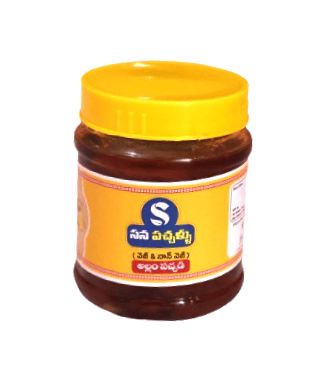
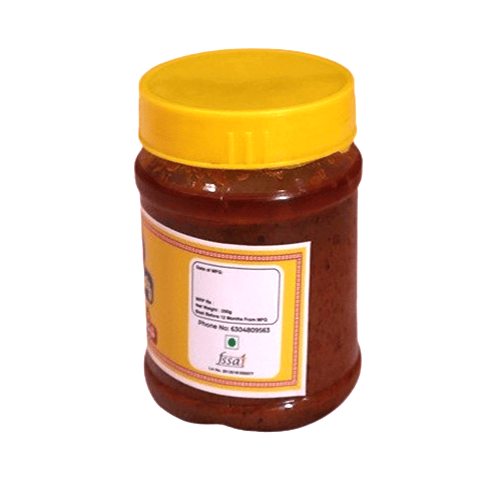
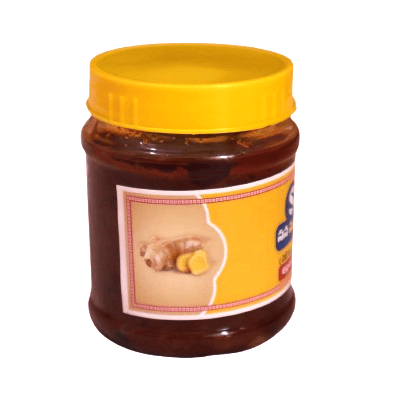

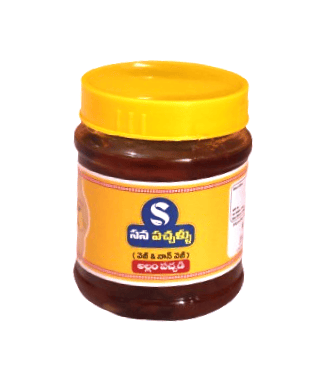
Bursting with spicy, tangy, and aromatic flavors, this Ginger Pickle is crafted from fresh ginger, traditional spices, and souring agents like tamarind or vinegar. A staple in Sou...
Read MorePopular Categories
Support
Language
Our apps
Key Attributes
| Country of origin | India |
|---|---|
| Net Quantity | 1 count |
| Manufacturer or packer name | APMEPMA-NELLORE |
Bursting with spicy, tangy, and aromatic flavors, this Ginger Pickle is crafted from fresh ginger, traditional spices, and souring agents like tamarind or vinegar. A staple in South Indian cuisine, it delivers a bold taste that ranges from fiery and pungent to a balanced mix of sweet, spicy, and sour.
Key Characteristics
-
Authentic Ingredients: Fresh ginger blended with chili powder, mustard seeds, turmeric, fenugreek, jaggery, and oil.
-
Rich Flavor Profile: Fiery, tangy, and aromatic with a hint of sweetness.
-
Traditional Preparation: Slow‑cooked in oil for depth and long shelf life.
-
Versatile Pairing: Complements rice, idli, dosa, chapati, dal, and more.
-
Cultural Staple: A must‑have condiment in South Indian households.
-
Balanced Taste: From pungent heat to mellow sweet‑sour notes, suiting diverse palates.
Usage
Enjoy this pickle as a side dish with everyday meals, or add it to festive spreads for a zesty twist. Its long shelf life makes it a pantry essential for lovers of authentic Indian flavors.
| Country of origin | India |
|---|---|
| Net Quantity | 1 count |
| Additive info | Flavor profile: Ranges from intensely spicy and pungent to a more complex balance of sweet, spicy, and tangy. Ingredients: Primary: Fresh ginger root. Common additions: Tamarind extract, jaggery, or vinegar provide the sour and sweet notes. Spices: A blend often includes red chili powder, mustard seeds, turmeric, fenugreek, and asafoetida. Oil: Typically prepared with oil, such as rice bran oil or groundnut oil, to help preserve and enhance flavors. Texture: Can be made with thinly sliced or crushed ginger.Variations: Can be made with or without garlic, and recipes often use specific chili varieties for heat and color. How it's made Fresh ginger is peeled and either thinly sliced or ground. It is marinated in a mixture of spices. The marinated ginger is then cooked with a blend of oil, spices, and a souring agent like tamarind extract or vinegar, which softens the ginger and melds the flavors. Culinary uses A versatile condiment that adds a burst of flavor to any meal. Excellent accompaniment to South Indian breakfast items like idli, dosa, and pesarattu. Pairs well with plain rice, curd rice, biryani, and various breads like chapati and paratha. Can be used as a dip for snacks like samosas or pakoras. |
| Package Dimension | 10L x 10W x 10H cm |
| Food type | veg |
| Manufacturer or packer name | APMEPMA-NELLORE |
| Manufacturer or packer address | KANDUKUR |
| Nutritional information | Flavor profile: Ranges from intensely spicy and pungent to a more complex balance of sweet, spicy, and tangy. Ingredients: Primary: Fresh ginger root. Common additions: Tamarind extract, jaggery, or vinegar provide the sour and sweet notes. Spices: A blend often includes red chili powder, mustard seeds, turmeric, fenugreek, and asafoetida. Oil: Typically prepared with oil, such as rice bran oil or groundnut oil, to help preserve and enhance flavors. Texture: Can be made with thinly sliced or crushed ginger.Variations: Can be made with or without garlic, and recipes often use specific chili varieties for heat and color. How it's made Fresh ginger is peeled and either thinly sliced or ground. It is marinated in a mixture of spices. The marinated ginger is then cooked with a blend of oil, spices, and a souring agent like tamarind extract or vinegar, which softens the ginger and melds the flavors. Culinary uses A versatile condiment that adds a burst of flavor to any meal. Excellent accompaniment to South Indian breakfast items like idli, dosa, and pesarattu. Pairs well with plain rice, curd rice, biryani, and various breads like chapati and paratha. Can be used as a dip for snacks like samosas or pakoras. |
| Instructions | Refer to the product |
| contact details consumer care | APMEPMA-NELLORE, [email protected] |
Other Products from seller APMEPMA-NELLORE
₹185₹190 ( 3% OFF )
₹115₹120 ( 4% OFF )

₹130₹150 ( 13% OFF )
₹115₹135 ( 15% OFF )

₹165₹200 ( 18% OFF )

₹200₹350 ( 43% OFF )

₹300₹350 ( 14% OFF )
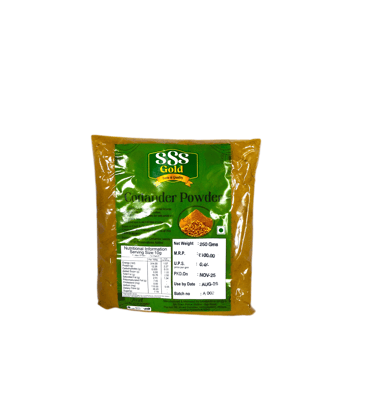
₹60₹100 ( 40% OFF )
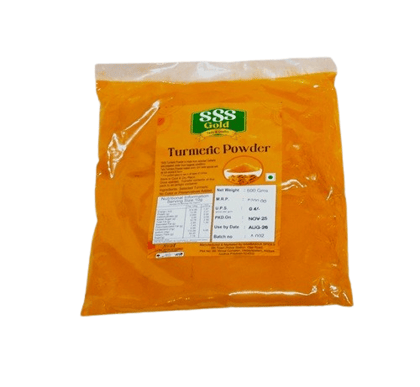
₹130₹200 ( 35% OFF )
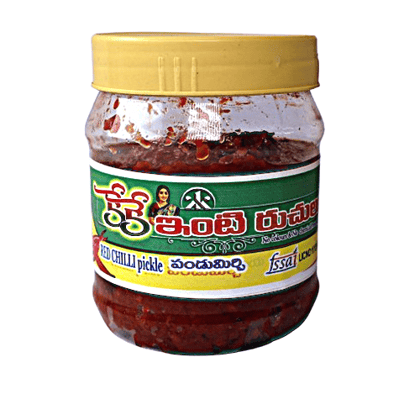
₹70₹80 ( 13% OFF )
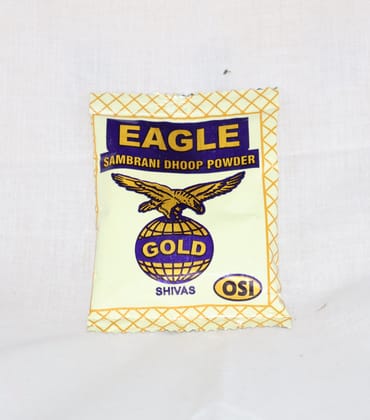
₹20₹22 ( 9% OFF )
₹110₹120 ( 8% OFF )

₹150₹250 ( 40% OFF )

₹300₹450 ( 33% OFF )