


 Contact Us
 Appliances
 Agri Inputs
 Auto Components & Accessories
 Beauty & Personal Care
 Electronics
 Fashion
 Grocery
 Gift Cards
 Home & kitchen
 Health & Wellness
 Vehicles & Automotives
 Books & Stationary
 Pet Care
 Toys & Games
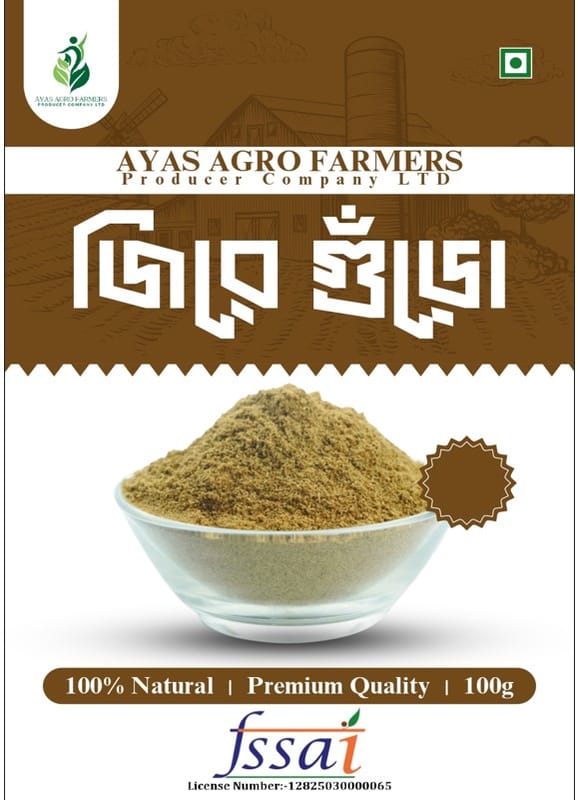
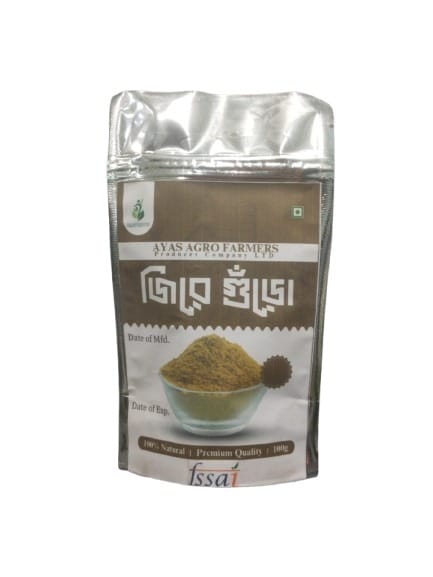
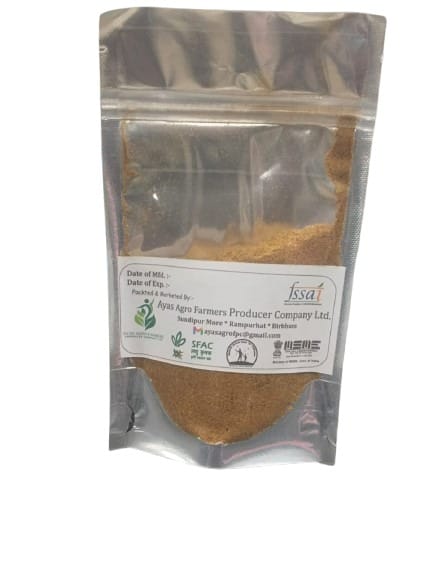
Cumin powder, widely known as Jeera Powder in India, is a fundamental spice that forms the backbone of countless cuisines around the world, particularly in South Asian, Middle Eastern, North African, and Latin American dishes. It's derived from...
Read MorePopular Categories
Support
Language
Our apps
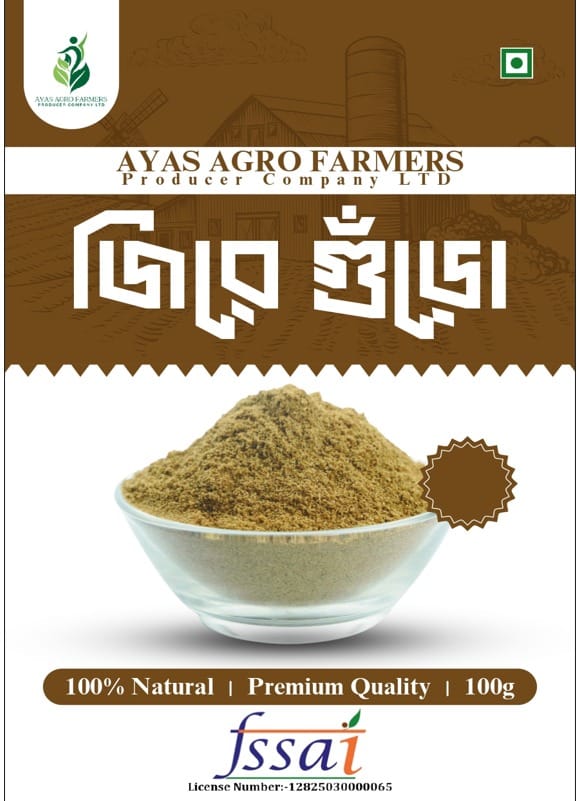
Cumin Powder 50 Gm
Key Attributes
| Country of origin | India |
|---|---|
| Net Quantity | 1 unit |
| Manufacturer or packer name | Ayas Agro Farmers Producer Company Limited |
Cumin powder, widely known as Jeera Powder in India, is a fundamental spice that forms the backbone of countless cuisines around the world, particularly in South Asian, Middle Eastern, North African, and Latin American dishes. It's derived from the dried seeds of the Cuminum cyminum plant, a flowering herb belonging to the parsley family.
Here's a comprehensive description of cumin powder:
1. What it is Made Of: Cumin powder is simply ground cumin seeds. These seeds are small, oblong, and have distinct ridges, resembling caraway seeds. The most common variety is brownish-yellow, though black and white cumin varieties also exist, each with subtle flavor differences.
2. Flavor and Aroma Profile: Cumin powder offers a warm, earthy, nutty, and slightly pungent flavor with hints of bitterness and a subtle sweetness. Its distinct aroma is robust and becomes more pronounced when the seeds are roasted before grinding. The primary aromatic compound responsible for its characteristic smell is cuminaldehyde.
3. Processing of Cumin Powder: Cumin powder can be made in two main ways, leading to slightly different flavor profiles:
- Raw Cumin Powder: In this method, dried cumin seeds are simply ground into a fine powder. This typically results in a sharper, sometimes slightly more bitter taste.
- Roasted Cumin Powder (Bhuna Jeera Powder): This is the more common and often preferred method, especially in Indian cooking.
- Roasting: Whole cumin seeds are dry-roasted in a pan over medium to low heat until they become aromatic and turn a shade darker (usually brownish-yellow to light brown). This process helps to deepen their flavor, reduce any bitterness, and release their essential oils, intensifying the aroma.
- Cooling: The roasted seeds are then allowed to cool completely.
- Grinding: Once cooled, they are ground into a fine powder using a spice grinder, mortar and pestle, or commercial grinding machines.
Roasted cumin powder has a more complex, earthy, and nutty flavor compared to raw ground cumin. It also has a more intense aroma.
4. Culinary Uses: Cumin powder is incredibly versatile and is a cornerstone in many culinary traditions:
- Indian Cuisine: It's a staple in virtually every Indian kitchen.
- Curries and Gravies: Added during the cooking process to provide depth and warmth.
- Dal (Lentil Soups): Essential for flavoring various lentil preparations.
- Vegetable Dishes: Used to season a wide array of vegetarian curries and stir-fries.
- Spice Blends: A key ingredient in popular spice mixes like Garam Masala, Curry Powder, and Chole Masala.
- Raita and Chaat: Often sprinkled over yogurt-based raitas or street food snacks (chaat) for a tangy and savory kick.
- Marinades and Rubs: Used to flavor meats, poultry, and paneer.
- Middle Eastern & North African Cuisine: Used in tagines, couscous, stews, and spice blends like Baharat.
- Latin American Cuisine: Prominently featured in Mexican dishes like chili, tacos, enchiladas, and also in various Central and South American stews and bean dishes.
- Global Applications: Can be found in:
- Chili powder blends.
- Soups and stews for an earthy depth.
- Rubs for grilled or roasted meats (beef, lamb, chicken).
- Flavoring for rice dishes, like cumin rice (Jeera Rice).
- Enhancing the sweetness of root vegetables like carrots and beets.
5. Health Benefits (Traditional and Scientific): Cumin has been used in traditional medicine for centuries and is increasingly recognized for its potential health benefits:
- Aids Digestion: One of its most well-known traditional uses. It's believed to stimulate digestive enzymes, increase bile release, and can help alleviate symptoms of indigestion, bloating, and gas.
- Rich in Iron: Cumin seeds are an excellent source of iron, which is crucial for red blood cell production and preventing iron-deficiency anemia.
- Antioxidant Properties: Contains compounds like terpenes, phenols, and flavonoids that act as antioxidants, helping to protect the body's cells from damage caused by free radicals.
- Anti-inflammatory Effects: Its active compounds may help reduce inflammation in the body.
- Potential Blood Sugar Management: Some studies suggest it may help improve glycemic control and lower blood sugar levels.
- May Aid Weight Loss: Research indicates it might support weight management by reducing appetite and boosting metabolism.
- Antibacterial and Antifungal Properties: Cumin oil has shown antimicrobial activity against certain bacteria and fungi.
- Immune System Support: Contains vitamins (A, C, E, B-complex) and minerals that contribute to overall immune health.
| Country of origin | India |
|---|---|
| Common name | CUMIN POWDER |
| Net Quantity | 1 unit |
| Package Dimension | 23L x 12W x 23H cm |
| Manufacturer or packer name | Ayas Agro Farmers Producer Company Limited |
| Manufacturer or packer address | PLOT NO- 904 , KHATIYAN NO- 3227, JL NO- 079,,Rampurhat |
| Manufacturing Date | 12/2025 |
| contact details consumer care | Ayas Agro Farmers Producer Company Limited, [email protected] |
Other Products from seller Ayas Agro Farmers Producer Company Limited

₹120₹179 ( 33% OFF )
₹450₹599 ( 25% OFF )

₹399₹599 ( 33% OFF )

₹249₹349 ( 29% OFF )

₹110₹199 ( 45% OFF )
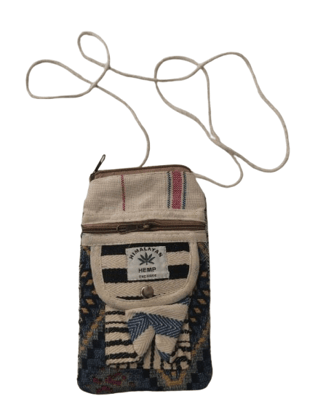
₹160₹249 ( 36% OFF )
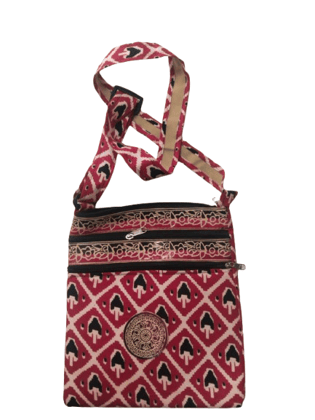
₹190₹249 ( 24% OFF )

₹270₹349 ( 23% OFF )
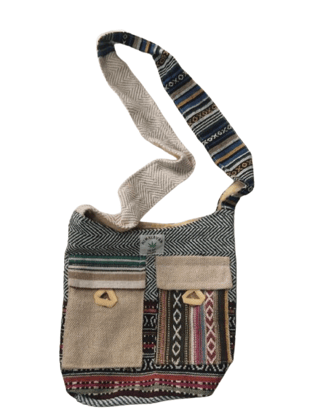
₹320₹399 ( 20% OFF )
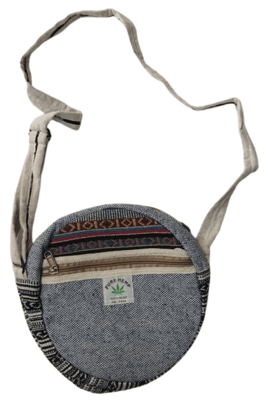
₹270₹399 ( 32% OFF )
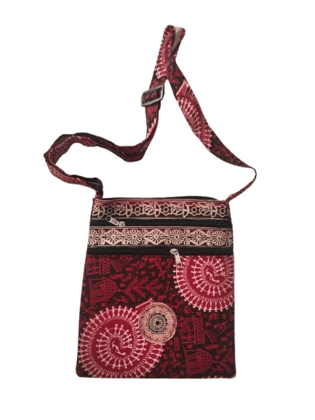
₹220₹299 ( 26% OFF )

₹220₹299 ( 26% OFF )
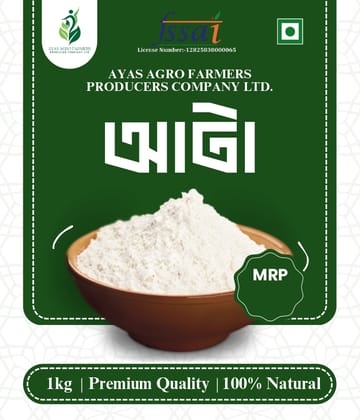
₹60₹70 ( 14% OFF )
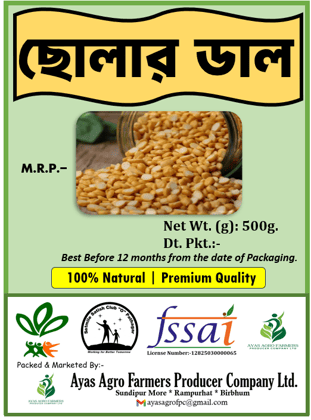
₹55₹60 ( 8% OFF )
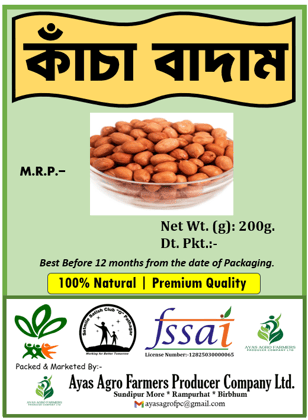

₹40₹45 ( 11% OFF )