


 Contact Us
 Appliances
 Agri Inputs
 Auto Components & Accessories
 Beauty & Personal Care
 Electronics
 Fashion
 Grocery
 Gift Cards
 Home & kitchen
 Health & Wellness
 Vehicles & Automotives
 Books & Stationary
 Pet Care
 Toys & Games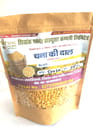
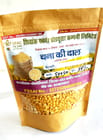
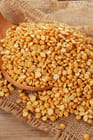
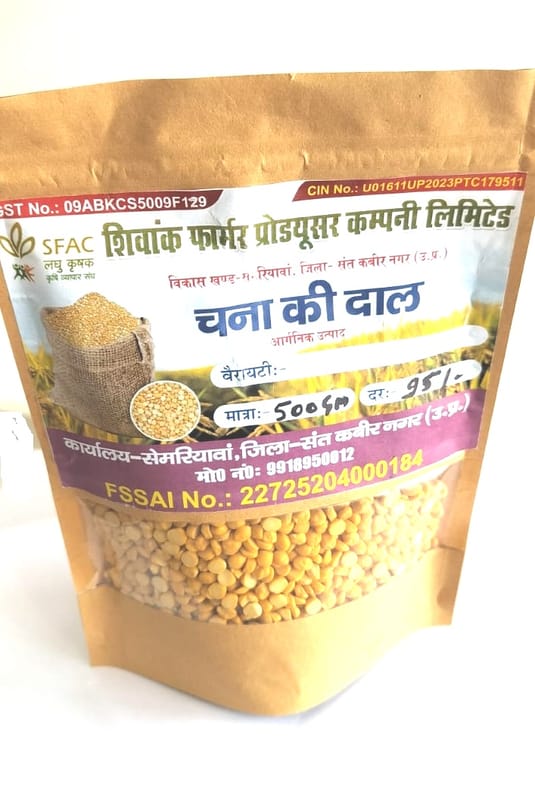
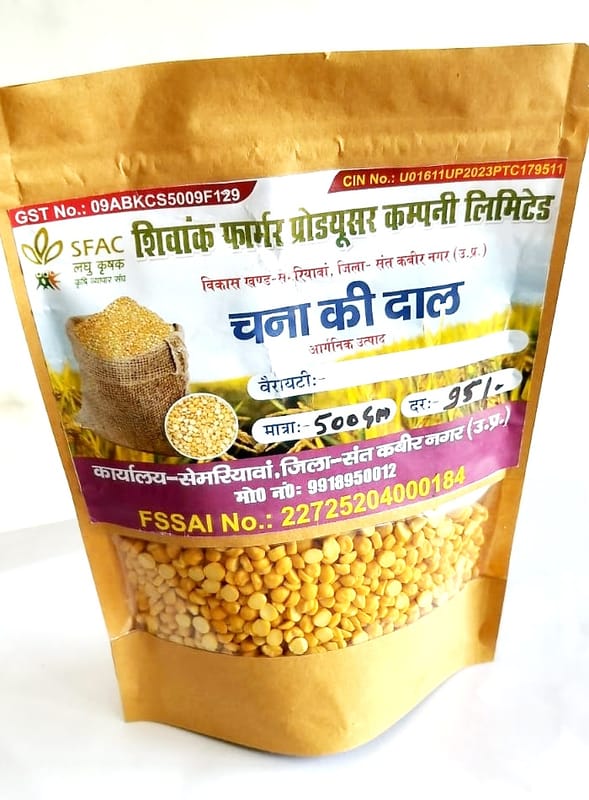
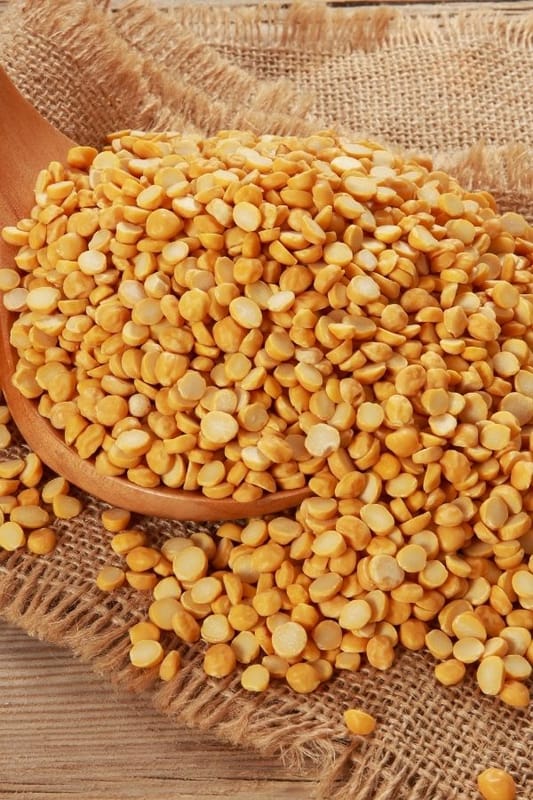
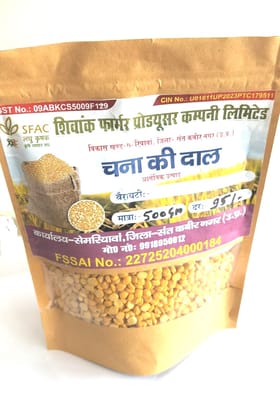
- The quality of Chana Dal (Bengal gram) is determined by several factors, which can be broadly categorized into physical characteristics, purity, and nutritional aspects. Here's a breakdown of what makes for good quality chana dal:
Popular Categories
Support
Language
Our apps
Key Attributes
| Country of origin | India |
|---|---|
| Brand | SHIVANK FARMER PRODUCER COMPANY LTD |
| Net Quantity | 1 packet |
| Manufacturer or packer name | SHIVANK FARMER PRODUCER COMPANY LIMITED |
- The quality of Chana Dal (Bengal gram) is determined by several factors, which can be broadly categorized into physical characteristics, purity, and nutritional aspects. Here's a breakdown of what makes for good quality chana dal:
Physical Characteristics:
-
Color and Appearance:
-
Good quality chana dal should have a bright, consistent, and natural yellow color.
-
It should have a uniform sheen.
-
Avoid dals that appear dull, faded, or unnaturally bright (which might indicate artificial coloring).
-
-
Size and Shape:
-
Grains should be reasonably uniform in size and shape.
-
Chana dal is typically rounded on one side and flat on the other.
-
Avoid excessively irregular or broken grains, as this can be a sign of poor processing or age.
-
-
Texture and Moisture Content:
-
The dal should feel firm and dry to the touch.
-
Avoid dal that feels soft, moist, or sticky, as this indicates high moisture content, which can lead to spoilage and reduced shelf life.
-
Excessive powdering on the grains might indicate poor processing or old stock.
-
-
Aroma:
-
Good quality chana dal should have a fresh, earthy, and characteristic aroma.
-
Avoid dal with a musty, sour, or any other unpleasant smell, which suggests improper storage or spoilage.
-
Purity and Adulteration:
-
Absence of Foreign Matter:
-
High-quality chana dal should be free from impurities such as stones, dirt, pebbles, husk, straw, weed seeds, other inedible grains, metallic pieces, lumps of earth, clay, mud, and animal filth.
-
"Sortex cleaned" is often an indicator of higher purity.
-
-
Minimal Damaged/Discolored Grains:
-
The percentage of damaged grains (sprouted, internally damaged by heat/microbes/moisture/weather, or mechanically injured) should be very low (e.g., typically less than 2-3%).
-
Similarly, discolored grains should be minimal.
-
-
Absence of Weevilled Grains (Insect Infestation):
-
There should be no visible living or dead insects.
-
The percentage of kernels partially or wholly bored by insects should be very low (e.g., typically less than 0.5-1%).
-
Uric acid levels are a chemical indicator of insect activity (should be low, e.g., max 100 mg/kg).
-
-
No Admixture/Other Edible Grains:
-
The presence of other edible grains (different pulses or other cereals) should be minimal.
-
-
No Artificial Coloring Matter:
-
High-quality chana dal should not have any added artificial coloring. A simple test with water can often reveal this (adulterated pulses may leave color immediately in water).
-
-
Free from Toxic or Noxious Seeds:
-
Absolutely no presence of harmful seeds like Kesari dal (Lathyrus sativus), which can cause lathyrism. Other toxic seeds to avoid include Crotolaria, Corn cockle, Castor bean, Jimson weed, and Argemone mexicana.
-
Nutritional and Other Parameters (often laboratory tested):
-
Moisture Content: Crucial for storage. Typically, moisture content should be low (e.g., 10-12% maximum) to prevent spoilage.
-
Protein Content: Chana dal is known for its high protein content (e.g., around 21% or more).
-
Fat Content: Chana dal has a relatively low fat content (e.g., max 4.88%).
-
Aflatoxin: A type of mycotoxin that can be harmful. Levels should be very low (e.g., max 30 µg/kg) to be fit for human consumption.
-
Shelf Life: Indication of how long the dal can be stored without significant quality degradation (e.g., 6-12 months when stored properly).
How to Assess Chana Dal Quality When Buying:
-
Visual Inspection: Look for uniform color, size, and minimal broken or discolored grains. Check for any visible impurities, stones, or insects.
-
Touch Test: Feel the dal to ensure it's dry and firm, not moist or sticky.
-
Smell Test: If possible, smell the dal for a fresh, earthy aroma. Avoid any off-smells.
-
Check Packaging and Labeling:
-
Look for airtight, sealed packaging.
-
Check for certifications (e.g., Organic Certification, AGMARK in India, FSSAI license number).
-
Verify manufacturing/packaging dates and best-before dates.
-
Reputable brands often have more stringent quality control.
-
-
Consider "Unpolished" varieties: Unpolished dals haven't undergone artificial polishing with water, oil, or leather, which helps retain their natural goodness and nutrients.
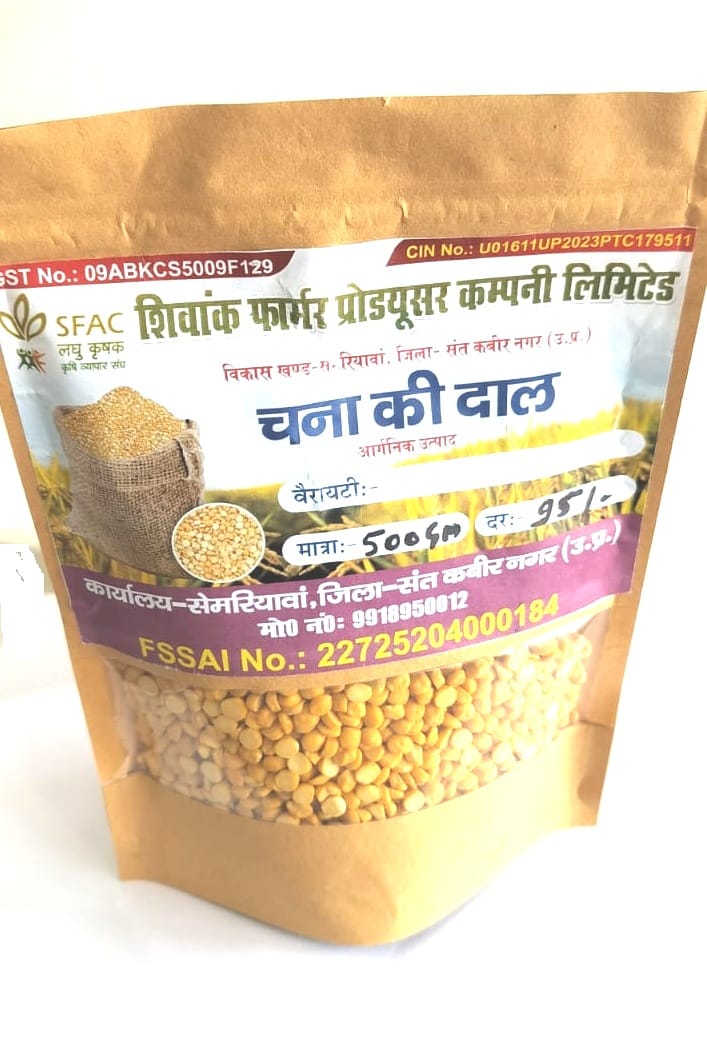
| Country of origin | India |
|---|---|
| Brand | SHIVANK FARMER PRODUCER COMPANY LTD |
| Common name | Chana Dal |
| Net Quantity | 1 packet |
| Batch number | 3536 |
| Expiry Date | 12/2025 |
| Package Dimension | 23L x 16W x 23H cm |
| Manufacturer or packer name | SHIVANK FARMER PRODUCER COMPANY LIMITED |
| Manufacturer or packer address | Semeriawayan |
| Manufacturing Date | 06/2025 |
| contact details consumer care | SHIVANK FARMER PRODUCER COMPANY LIMITED, [email protected] |