


 Contact Us
Popular Categories
 Appliances
 Agri Inputs
 Auto Components & Accessories
 Beauty & Personal Care
 Electronics
 Fashion
 Grocery
 Gift Cards
 Home & kitchen
 Health & Wellness
 Vehicles & Automotives
 Books & Stationary
 Pet Care
 Toys & Games
Support
Language
Our apps
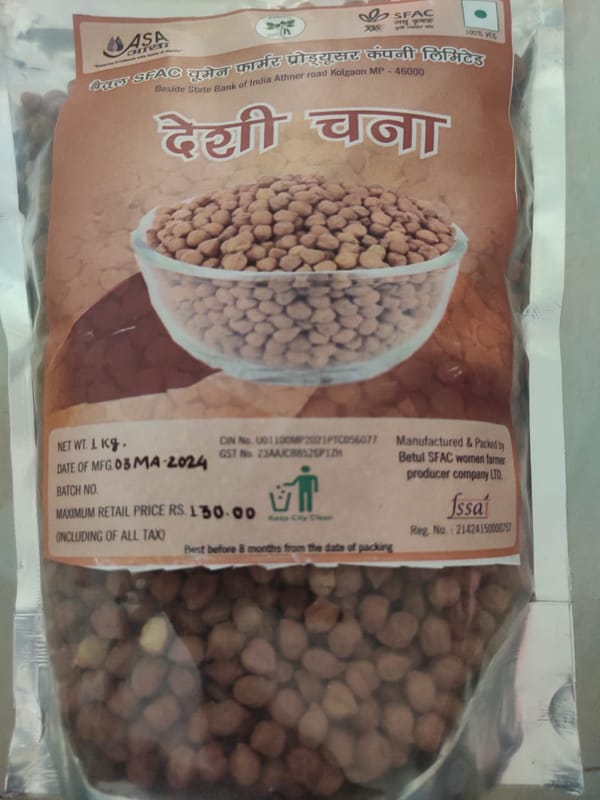
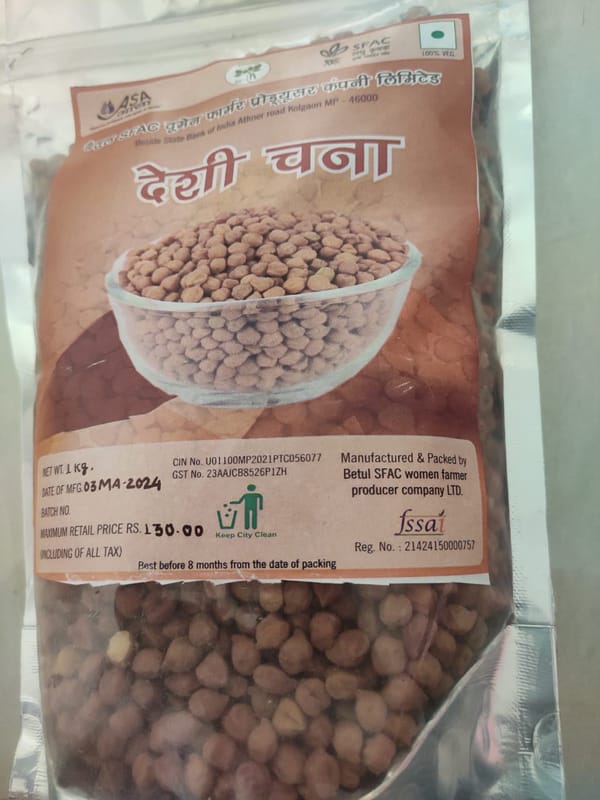
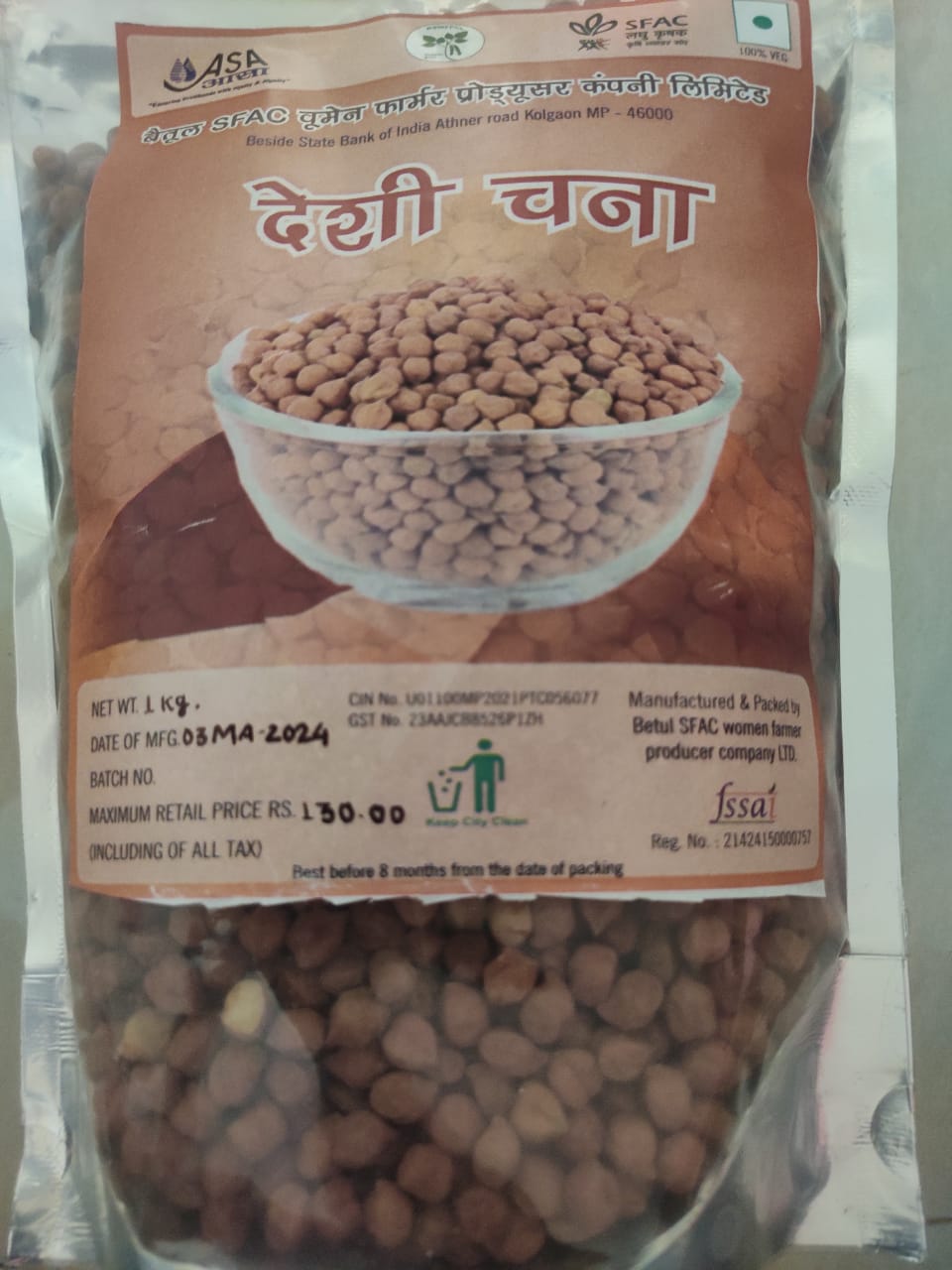
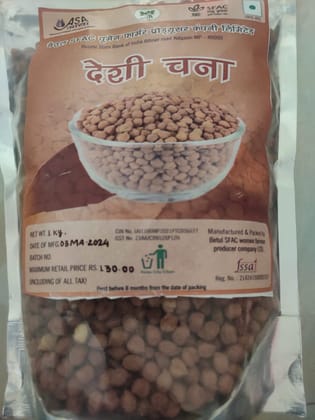
Bengal Gram (desi Chana)
 Veg
VegKey Attributes
| Country of origin | India |
|---|---|
| Net Quantity | 1000 gram |
| Manufacturer or packer name | BETUL SFAC WOMEN FARMER PRODUCER COMPANYLIMITED |
| Country of origin | India |
|---|---|
| Common name | Desi Chana |
| Net Quantity | 1000 gram |
| Additive info | When referring to Bengal gram additives, it's essential to consider any additional substances that may be included during processing, packaging, or preservation. Here are some common types of additives that may be associated with Bengal gram products: Preservatives: Additives like sodium benzoate or potassium sorbate may be used to extend the shelf life of Bengal gram products by inhibiting the growth of mold, yeast, and bacteria. Colorants: While Bengal gram itself has a natural color, some processed products may contain added colorants to enhance appearance or maintain consistency. Antioxidants: To prevent oxidation and preserve the quality of Bengal gram products, antioxidants such as ascorbic acid (vitamin C) or tocopherols (vitamin E) may be added. Flavor Enhancers: Additives like monosodium glutamate (MSG) or yeast extract may be used to enhance the flavor of Bengal gram-based snacks or seasonings. Anti-caking Agents: In powdered forms of Bengal gram, anti-caking agents like silicon dioxide or calcium silicate may be added to prevent clumping and improve flow properties. Acidulants: Citric acid or tartaric acid may be used as acidity regulators to adjust the pH of Bengal gram products for flavor enhancement or preservation. Emulsifiers: Additives such as lecithin may be included in Bengal gram products to improve texture, stability, or homogeneity. It's important to note that while some additives may be added for safety, preservation, or quality purposes, excessive consumption of certain additives may have adverse health effects for some individuals. Always check the ingredient label and be mindful of any additives if you have specific dietary restrictions or concerns. Opting for minimally processed Bengal gram products or preparing homemade dishes using whole Bengal gram can help reduce exposure to additives. |
| Weight | 500 g |
| Food type | veg |
| Manufacturer or packer name | BETUL SFAC WOMEN FARMER PRODUCER COMPANYLIMITED |
| Manufacturer or packer address | 23,C/O SARITA PARASRAM,Bagdari |
| Manufacturing Date | 04/2024 |
| Nutritional information | Bengal gram is a highly nutritious legume with an impressive array of health benefits. Here's a breakdown of its nutritional information per 100 grams of cooked Bengal gram: Calories: Approximately 164 calories Protein: About 8.86 grams Carbohydrates: Around 27.42 grams Dietary Fiber: Approximately 8 grams Fat: Around 2.59 grams Vitamins: Vitamin A: About 27 IU Vitamin C: Approximately 2.2 milligrams Vitamin E: About 0.35 milligrams Vitamin K: Approximately 4.6 micrograms Thiamin (Vitamin B1): Around 0.15 milligrams Riboflavin (Vitamin B2): Approximately 0.06 milligrams Niacin (Vitamin B3): About 0.63 milligrams Vitamin B6: Approximately 0.18 milligrams Folate (Vitamin B9): Around 172 micrograms Vitamin B12: Not significant Minerals: Calcium: About 49 milligrams Iron: Approximately 2.89 milligrams Magnesium: Around 48 milligrams Phosphorus: Approximately 168 milligrams Potassium: About 291 milligrams Sodium: Around 24 milligrams Zinc: Approximately 1.53 milligrams Copper: About 0.41 milligrams Manganese: Approximately 0.99 milligrams Selenium: Around 4.3 micrograms Health Benefits: Rich Source of Protein: Bengal gram is an excellent plant-based source of protein, which is essential for muscle growth, repair, and overall body function. High in Fiber: It's rich in dietary fiber, promoting digestive health, regulating blood sugar levels, and aiding weight management by inducing a feeling of fullness. Low Glycemic Index: Foods with a low glycemic index, like Bengal gram, can help control blood sugar levels and reduce the risk of type 2 diabetes. Packed with Vitamins and Minerals: Bengal gram contains various vitamins and minerals like iron, potassium, and folate, which are crucial for maintaining overall health and well-being. Antioxidant Properties: It contains antioxidants that help fight free radicals, reduce inflammation, and lower the risk of chronic diseases. Incorporating Bengal gram into your diet can provide numerous health benefits and contribute to a balanced and nutritious eating plan. |
| Instructions | Some general instructions for using Bengal gram: Selection and Storage: When purchasing Bengal gram, look for dry, intact, and uniform grains. Avoid packages with signs of moisture or insect damage. Store Bengal gram in an airtight container in a cool, dry place away from direct sunlight. Properly stored, it can last for several months. Cleaning and Soaking: Before cooking, rinse Bengal gram under cold water to remove any dirt or debris. Soaking Bengal gram in water for a few hours or overnight can help reduce cooking time and improve digestibility. Drain the soaking water before cooking. |
| contact details consumer care | BETUL SFAC WOMEN FARMER PRODUCER COMPANYLIMITED, [email protected] |
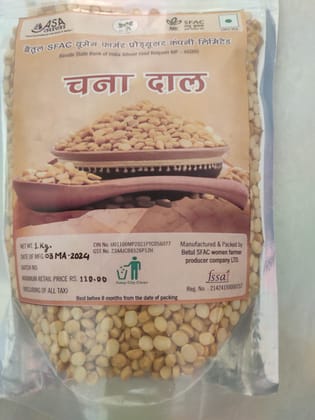
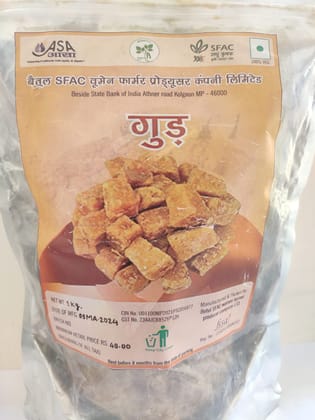
Other Products from seller BETUL SFAC WOMEN FARMER PRODUCER COMPANYLIMITED

₹78₹80 ( 3% OFF )